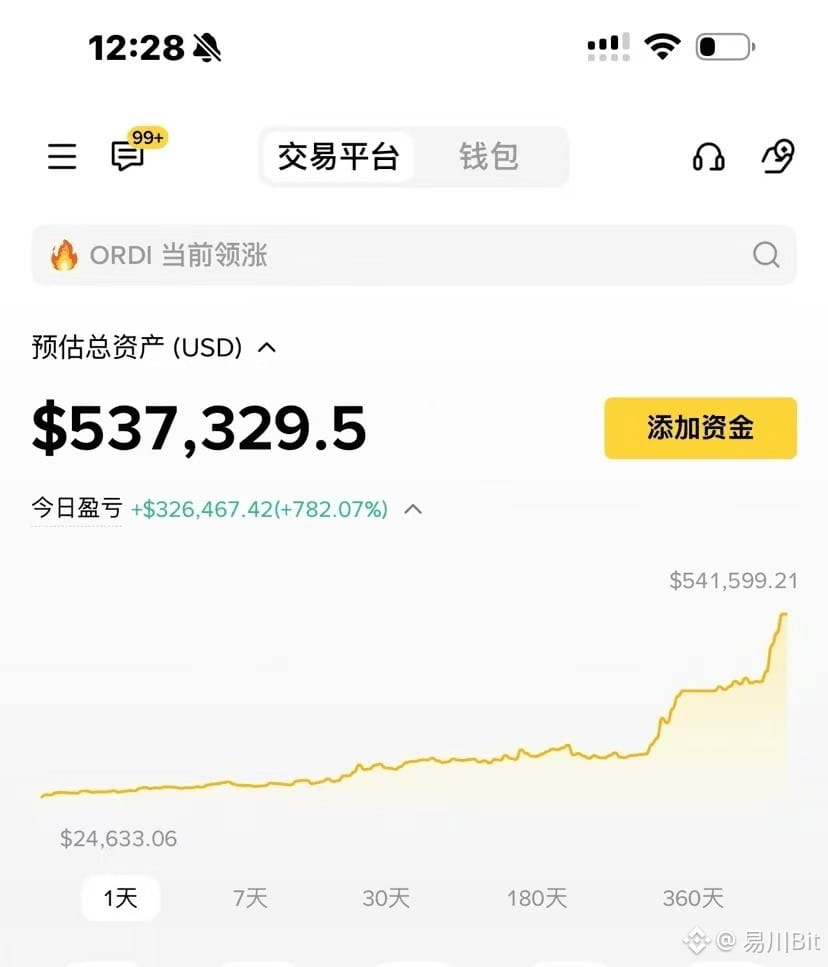
Why do so many people struggle to hold onto winning trades? $AKE
I’ve been trading for 8 years. During my first two years in the market, I kept going around in circles.
I’d take profits as soon as I made a little, but stubbornly hold on when I was losing. My gains were always small, while my losses were huge, and my account kept seesawing. After seeing more market conditions, I gradually realized that what makes people let go of winning trades too soon isn’t just their mindset—it’s that they don’t have a set of trading rules of their own.
Back then, as soon as my account was a few points in profit, I’d start wondering whether I should take profit. I was afraid of giving back my gains, and even more afraid the market might suddenly turn against me. Often, the moment I sold, the market would start accelerating, and all I could do was watch the price move further and further away.
Eventually, before entering a trade, I started deciding on my target and stop-loss in advance. If the price hadn’t reached the level in my plan, I wouldn’t exit just because of a little intraday fluctuation. $JCT
If a pullback occurred while I was holding a position, I’d stay in as long as the broader structure remained intact and key support held.
It was tough at first, especially watching my unrealized profits shrink little by little. I was itching to act. But after sticking with it, I realized that what often makes the real difference in trading is those few big moves where you manage to hold on to your profits.
Trading isn’t about making money every single day, or rushing to lock in profits as soon as you make a little.
You need to be able to wait, to hold on, and to stay in when the time is right. That’s how profits can truly make a difference.
Often, staying out of the market means waiting for an opportunity, while holding a position means waiting for the outcome.