Let's talk about circulating supply and total supply.
Some tokens have no maximum supply. For example, Ethereum has no fixed cap on its total supply.
To be honest, I hadn't noticed this before either: don't judge whether something is cheap or expensive just by its unit price. Market capitalization, calculated by multiplying the unit price by the circulating supply, is what makes for a meaningful comparison.
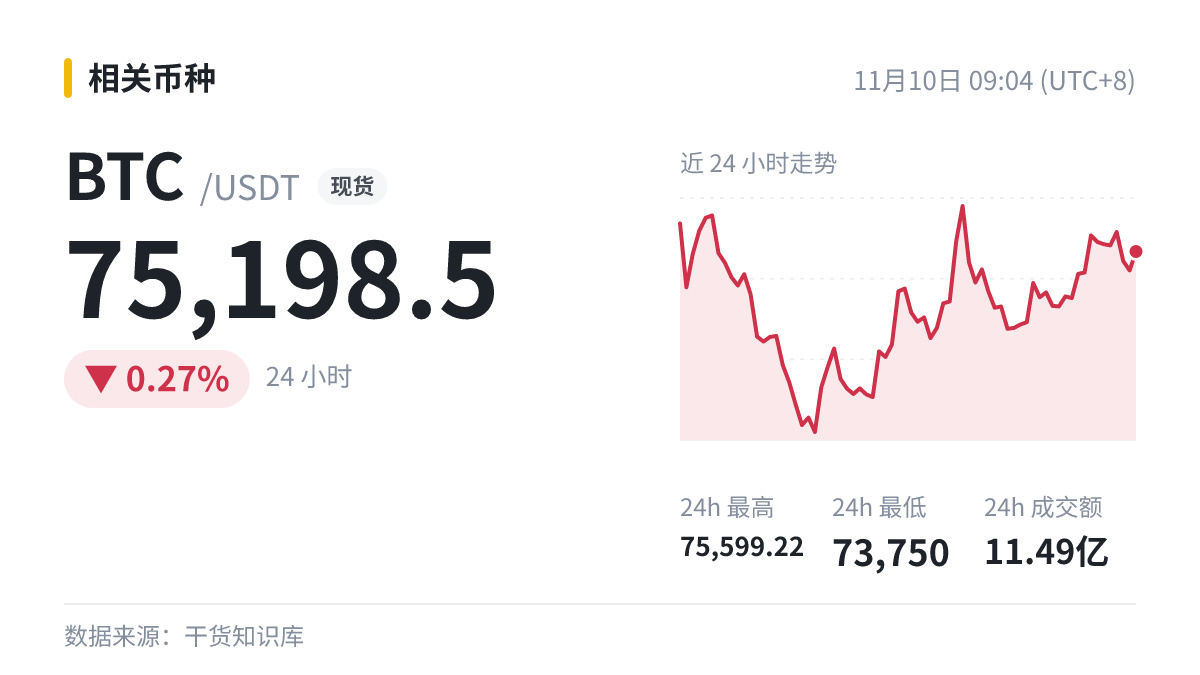
$BTC has a fixed maximum supply of 21 million coins, and the amount already mined is getting closer and closer to that cap.
It's fine to play it safe; staying in the market matters much more than how much you make in a single trade.
#BTC