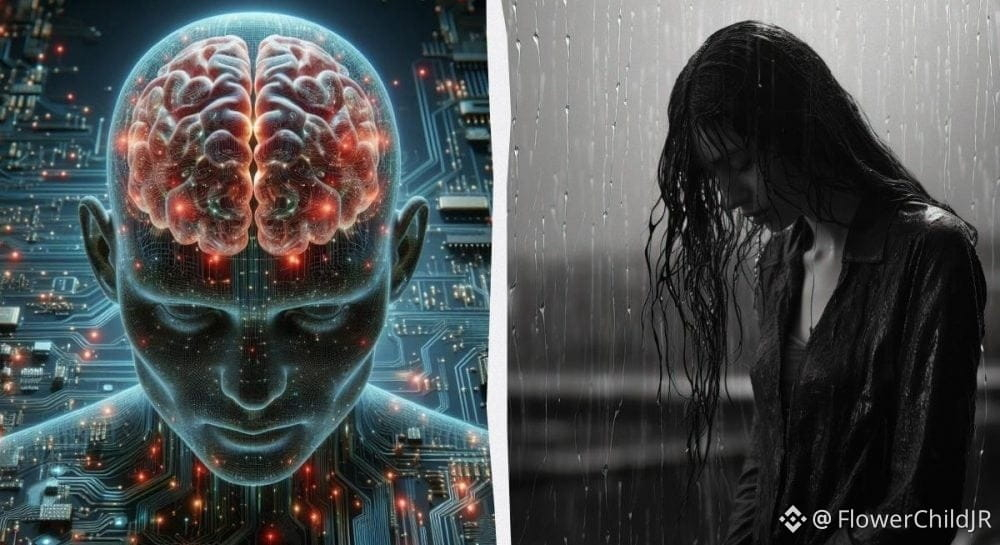
ChatGPT creates a psychological profile of every user.
In today’s digital world, personalization has long been commonplace, but chatbots’ memory takes this mechanism to a new level. Chatbots create detailed “digital portraits” of their users, remembering personal information to make conversations as personalized as possible. Researchers warn that this kind of personalization poses a serious threat to privacy.
Online services collect user data for targeted advertising and recommendations. AI obtains personal information directly from private conversations in which people share details about themselves. The study used chat archives from 80 real ChatGPT users. They obtained their data under a European data protection law that allows people to request information about themselves from companies. As a result, the authors found 2,050 entries in the chatbot’s memory associated with interactions involving 65 users.
ChatGPT created 96% of its stored memories on its own, without input from users, because people had virtually no control over what information about them the system remembered during conversations. $ACT