WHALE DROPS $9M TO BUY MORE ETH — SMART MONEY RECOVERY PUMP OR DANGEROUS LEVERAGE TRAP?
Smart money tracking tools are flashing heavy accumulation signals as major whales step in to gobble up spot inventory during market dips.
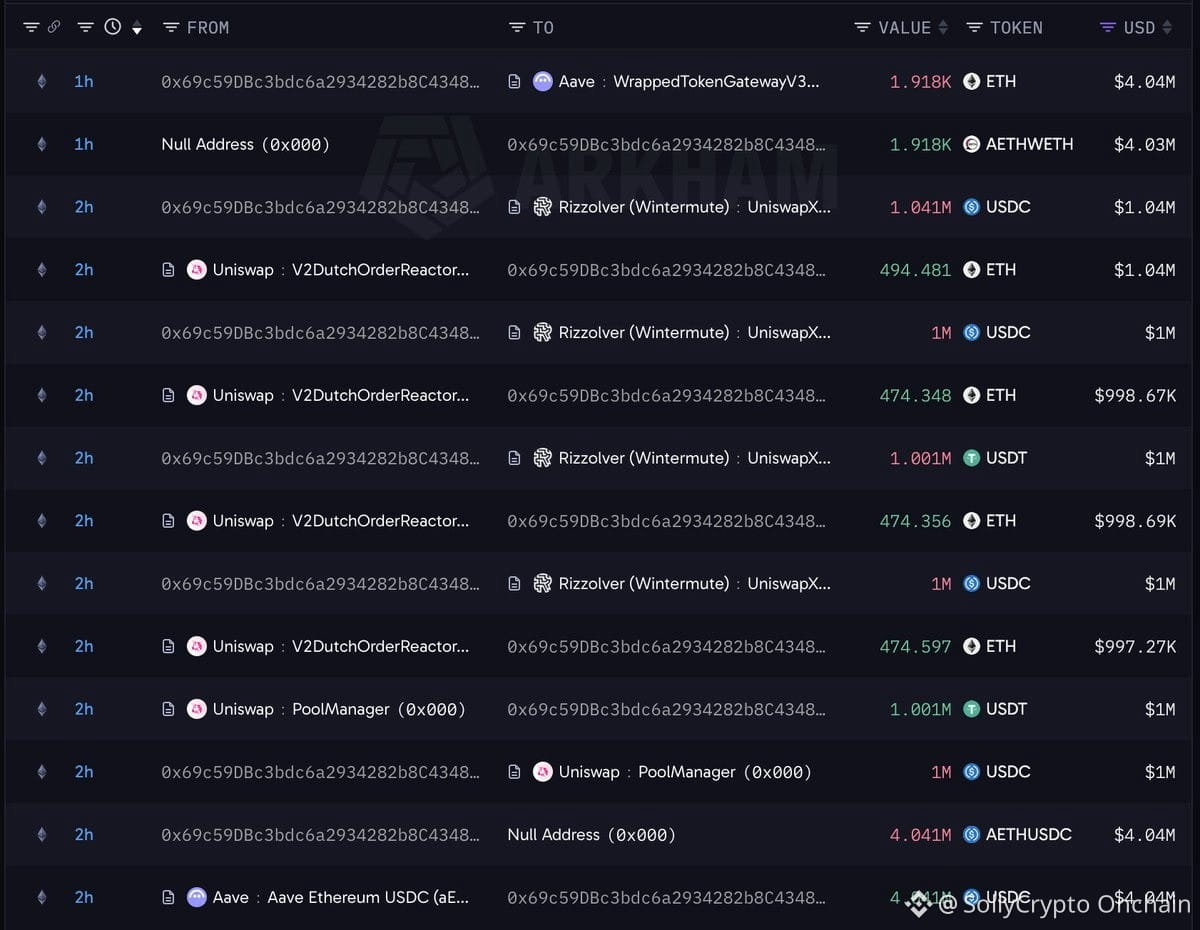
On-chain data reveals that two interconnected wallets, likely controlled by a single whale entity, just spent a combined $9.08 million in stablecoins to acquire 4,312 Ethereum ($ETH) at an average entry price of $2,106. When high-net-worth addresses deploy millions into spot accumulation right at key support levels, it indicates institutional and whale conviction that local market bottoms are forming.
This should lean as a strong pump setup for $ETH short-term as liquid exchange supply gets locked away.
Here is the exact detail timeline traders are completely ignoring: retail panic during market drawdowns usually triggers cascading liquidations across perpetual futures, but whales view these drops as deep-discount shopping windows. By accumulating spot inventory directly into private custody wallets rather than leaving coins on centralized exchanges, this whale is actively removing circulating supply from order books. When large buyers consistently absorb dips without dumping back onto spot markets, floating supply shrinks rapidly, creating the ideal conditions for an aggressive supply-squeeze bounce.
The real structural danger for retail traders is over-leveraging long positions too early before market momentum fully confirms. While whale spot accumulation is undeniably bullish, derivative funding rates and open interest can still experience violent shakeouts if broader macroeconomic resistance holds. Chasing high-leverage longs without proper risk management leaves traders vulnerable to sharp wick liquidations.
Do you think this whale buying $ETH at $2,106 marks the absolute floor before a massive relief rally, or will market volatility test lower support zones first?