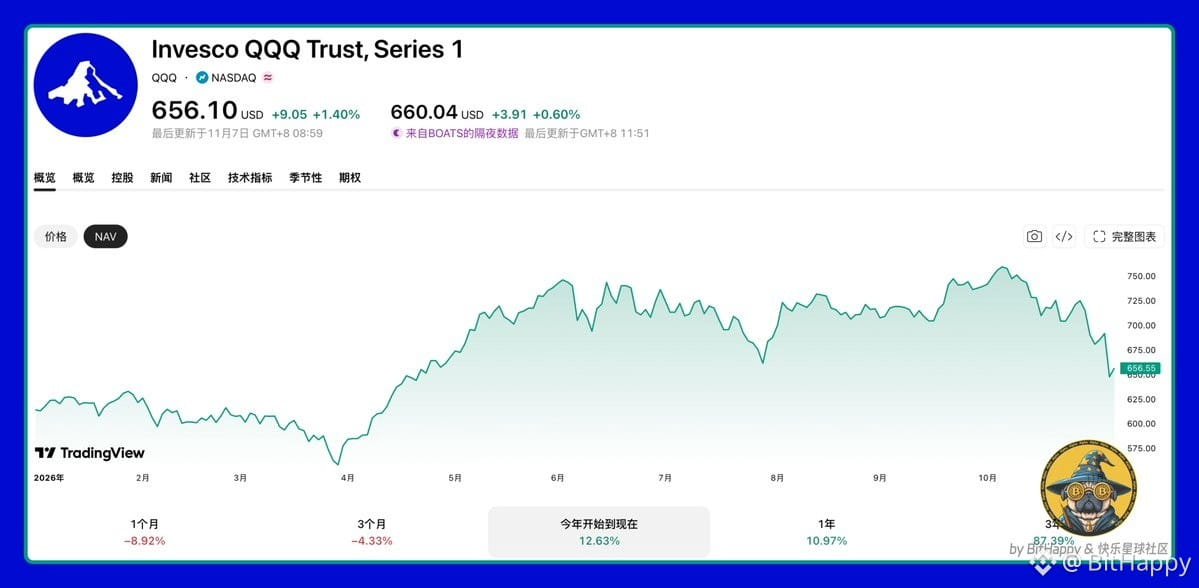
After the sharp drop in U.S. stocks, I’m even more interested in tokenized stocks. Which one should I choose?
Custody arrangements overlap heavily, so compare exit routes before focusing on the issuer’s name.
According to estimates by some analysts, around 90% of the underlying assets for tokenized U.S. stocks are custodied at the same brokerage, Alpaca.
The differences aren’t about “which brokerage is safer,” but about legal structure, redemption requirements, and use cases.
Let’s break down Binance bStocks, Ondo, and xStocks (based on official documents and prospectuses):
1/ bStocks: The issuer holds shares in an Alpaca segregated account through a trust structure;
2/ Ondo: Notes backed by overcollateralization, with Ankura holding a first-priority security interest and verifying it daily;
3/ xStocks: Tracking certificates issued by a Jersey SPV, with an independent security agent.
None of the three puts you on the shareholder register, and none gives you voting rights.
One thing to note about bStocks: the initial liquidity comes from borrowed shares. Lending can be terminated at any time, so redemptions may be delayed or suspended.
Exit routes are where the biggest differences lie:
1/ Ondo: $1 minimum, instant redemption into USDon, available only for cash-like assets;
2/ xStocks: KYC and whitelist required, $5,000 minimum; redeemable for stablecoins, and xPort can convert them back into real shares;
3/ bStocks: Convert into shares in an Alpaca sub-account. There’s currently no redemption fee, but redemption requests may be rejected.
If you bought on the secondary market and can’t pass KYC or are subject to regional restrictions, you may be unable to redeem with any of the three.
Dividends don’t set them apart: all withhold 30% U.S. tax, then reinvest the remainder instead of paying cash.
Fees look low on the surface, but costs mostly come from transaction fees, spreads, and price deviations when markets are closed.
All three have on-chain freeze and pause permissions. The difference is who holds the keys and whether there’s a timelock.
A useful rule of thumb: choose the exit route first, then choose the issuer.
1/ For margin trading and short-term trades on Binance: bStocks is the most convenient, but almost everything stays within the Binance Group;
2/ For on-chain DeFi and moving assets across chains: xStocks has the most chains and access points, and works on both OKX and Kraken. Check minting permissions first;
3/ For small amounts and the option to exit at any time: Ondo starts at $1 and offers instant redemption, provided you can pass KYC;
4/ For holding long term to earn dividends: don’t choose based on dividends. Look at transparency and how smoothly redemptions work;
5/ For large positions: first confirm whether you can redeem directly with the issuer;
6/ If you want real shares, look at xPort or bStocks physical redemption. If you only want cash, look at Ondo or xStocks.
Before placing an order, check: regional restrictions, redemption eligibility, what you’ll receive on redemption, on-chain permissions, and weekend price deviations.
Switching issuers doesn’t mean switching custodians, but it can give you an exit route that better suits your needs.
How do you choose the tokenized stocks you hold?
The above is for informational purposes only and does not constitute investment advice.
BitHappy, evolving all the time