Jobs are hot and wages are rising, so why does it still feel like money isn’t going as far? Nonfarm payrolls added 165,000 in October, and hourly earnings climbed to 3.1% year over year. Neither figure looks bad on its own. But put prices alongside them in the same table, and the picture changes: growth is real, but people may not necessarily feel the benefits. $SOL
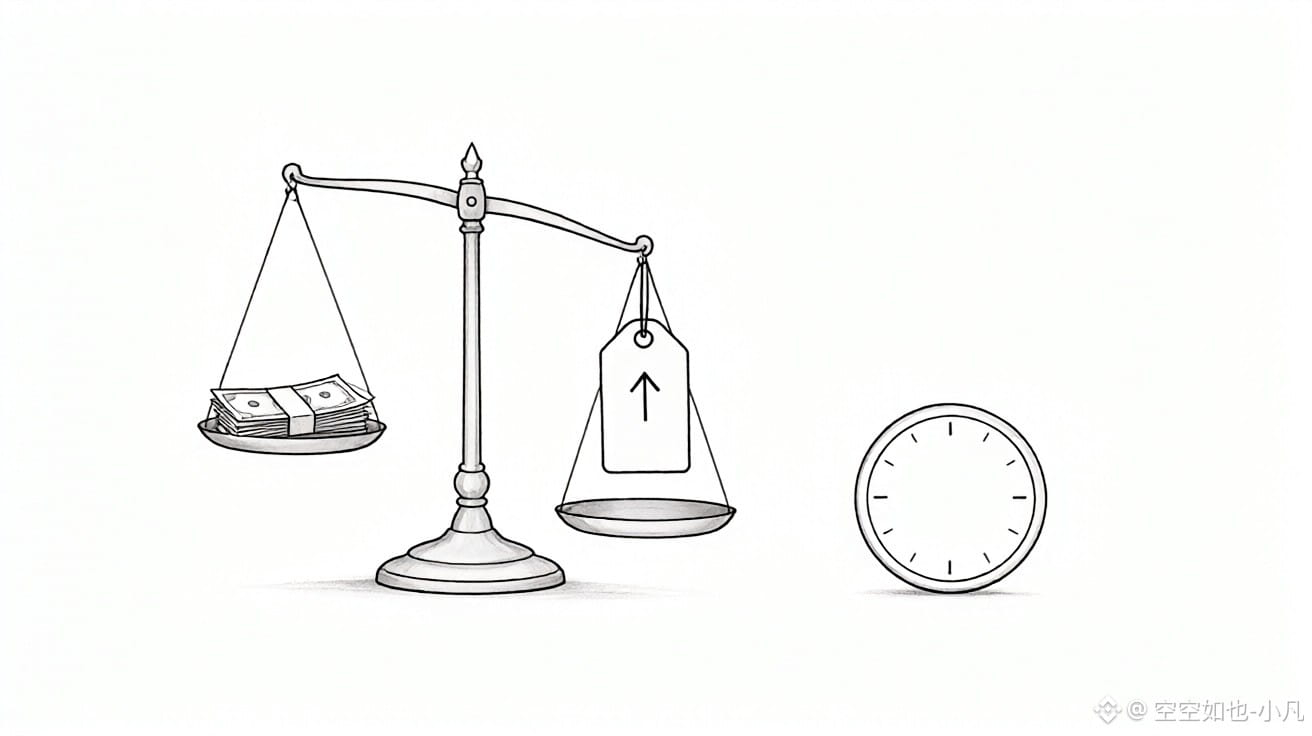
Consumer prices rose 3.7% year over year, 0.6 percentage points faster than wages. In other words, pay is up, but rising prices are gradually eating away at purchasing power. The annualized pace of wage growth over the past three months rose to 3.9%, but whether that can keep up with inflation is still an open question. $ZEC
What matters more is what happens over the next few days. Core inflation data comes out Tuesday (November 10), followed by producer prices on Friday. Rising energy prices are keeping inflation from cooling. If both readings remain elevated, a December rate hike won’t just be a question of probability—it’ll be a debate over whether to raise rates by 25 basis points or more. $CL
The nonfarm payrolls report also contains other clues. The private sector added 159,000 jobs, averaging 126,000 a month from August to October, while the average workweek held at 34.4 hours. The numbers are still positive, but growth is tilted toward services, and conditions vary widely—the red-hot headline figure is really an average.
I looked through the breakdown: healthcare and transportation and warehousing accounted for most of the gains, while construction shed 3,000 jobs and manufacturing barely returned to positive territory, adding 19,000. The picture looks rosy on the surface, but each sector has its own challenges, and growth is being driven by just a handful of industries.
So what’s driving expectations for rate hikes this time isn’t just the employment figures themselves. It’s also the old worry that “wages can’t keep up with prices,” which has flared up again. If the next inflation readings are still stubbornly high, rate cuts will be pushed further out. The market’s focus will shift from “Will they hike?” to “How long will they pause after hiking?”—and that depends on whether prices finally turn back down.
These are my personal views and not investment advice. You are responsible for any gains or losses.
#非农就业数据推升加息预期