
I. Today's View
Bitcoin is currently at $75,455, down just 0.27% over 24 hours—almost unchanged. But over seven days, it is down 4.15%, near the lower end of its seven-day range of $73,510–$81,196, at around the 25% mark. Ethereum is at $2,153.99, down 3.46% over 24 hours and 6.44% over seven days, clearly weaker than Bitcoin. Its seven-day range is $2,060–$2,450, and it is also near the bottom. Ethereum's 24-hour range today was 8.32%, 1.56 times its average range over the past seven days, indicating a marked rise in volatility. In terms of market structure, Ethereum's funding rate is negative, meaning short sellers are paying long holders, which signals that bearish sentiment is prevailing. Bitcoin's funding rate is positive but so small as to be almost negligible, suggesting caution on both sides. Liquidations totaled about $1.015 billion over the day, up approximately 1,458% from the previous day. Highly leveraged longs were aggressively flushed out in this downturn, especially in Ethereum, where even Machi Big Brother's 540 ETH long position was liquidated.
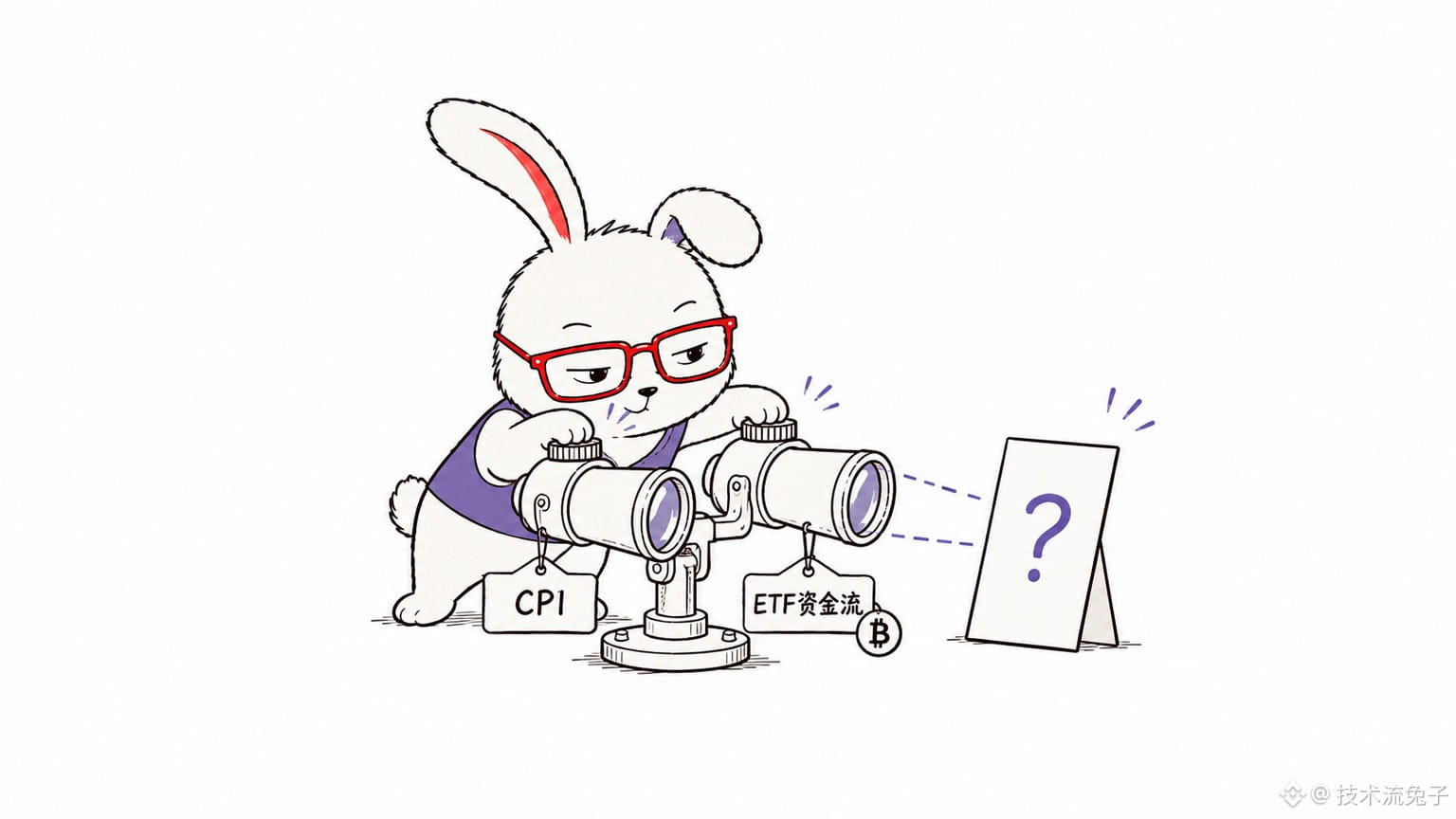
These liquidations can trigger a chain reaction: falling prices trigger forced liquidations, and the resulting selling drives prices down further, potentially stabilizing only after leverage has been mostly flushed out. According to data from CryptoQuant cited by ChainCatcher, Binance's Ethereum-based stablecoin reserves fell by about $9 billion around the time of the hack. Stablecoins are funds on exchanges that can be used to buy crypto, so reserve changes are worth tracking. Binance's Bitcoin and Ethereum reserves also declined significantly. Some users withdrew funds to their own wallets, while some assets were transferred and converted into Bitcoin after the hack; overall, however, funds are leaving exchanges. After the U.S. midterm elections, news has focused on the Fed's independence. Reports say Democrats' control of the Senate will allow them to block Trump from placing allies at the Fed, weakening the White House's influence over monetary policy. The market may previously have bet that Trump could push for rate cuts; as that expectation cools, inflows into risk assets, including Bitcoin, may become hesitant. Meanwhile, there are signs of easing tensions in the Middle East: Trump said renewed strikes on Iran are highly unlikely, Qatar is mediating, and oil exports may resume. This could lower geopolitical risk premiums, while the impact on oil prices may feed through to inflation expectations. Much will depend on the upcoming CPI data. The U.S. October CPI release tomorrow at 21:30 is the most important variable for now. High inflation would strengthen expectations that the Fed will not cut rates, further weighing on risk appetite in crypto; a decline in inflation could give the market some breathing room. The key things to watch next are whether outflows from U.S. equities and Bitcoin ETFs continue, whether stablecoin supply recovers, and how Fed policy expectations shift after the CPI release. Deleveraging on exchanges is not yet complete, and prices are repeatedly testing the seven-day low. Waiting patiently for confirmation is more important than rushing to call the direction.

II. Today's News
1. Binance resumes HYPE and APT withdrawals; stablecoin reserves decline by about $9 billion
Binance resumed HYPE and APT withdrawals today, ahead of the previously promised timeline. On-chain data is more striking: around the time of the hack, Binance's Bitcoin reserves fell from about 730,000 BTC to 673,700 BTC, and its Ethereum reserves dropped from 3.48 million ETH to 3.08 million ETH. Its Ethereum-based stablecoin reserves fell from about $41 billion to $32 billion, a decline of around $9 billion. The same data also shows a latest daily net inflow of about $27.9 million. The attacker also converted the stolen altcoins into approximately 2,300 BTC, which may enter circulation and could affect market sentiment. Going forward, monitor the resumption of withdrawals for Binance's other assets and whether stablecoin reserves stop declining.
2. Web3Auth has transferred approximately $5.6 million in assets from affected Keplr wallets to a recovery address
This incident is an amplified version of a long-standing wallet security problem. A vulnerability in Web3Auth's service exposed the private keys of some Keplr wallets created through Google or Apple sign-in. The team moved approximately $5.6 million in assets to a recovery address before the attackers could, most of it ATOM on the Cosmos network. A Keplr co-founder estimates that about 20% of accounts using Google and Apple sign-in were affected, though only a small portion were actually exploited. Incidents like this undermine users' trust in social-login wallets and could trigger short-term selling or a wave of withdrawals in related on-chain assets, weighing on sentiment in the Cosmos ecosystem. At the very least, it shows that the crypto industry still faces a significant trade-off between convenient login and private-key security.

3. Fed whisperer: Trump's effort to reshape the Fed faces its strongest check yet; Warsh may struggle to build his own core team
An article by Nick Timiraos, chief economics correspondent at The Wall Street Journal, notes that after the U.S. midterm elections, Democrats control the Senate and can block Trump from placing more allies on the Federal Reserve Board. Trump wants to appoint Warsh as chair, but he still lacks one supporter on the seven-member board, and that seat is now difficult to secure. In other words, the White House's challenge to the Fed's independence faces a hard institutional constraint. The market may previously have expected Trump to push for looser monetary policy; that expectation is now being discounted. Dollar liquidity may not flood the market as quickly, and inflows into risk assets such as Bitcoin may become hesitant. This article marks an important shift in macro expectations, but is not a direct price catalyst. Going forward, watch Fed nominations and signals about the rate path.

4. Trump says renewed strikes on Iran are highly unlikely, but says the U.S. military is prepared
In a CNN interview on Sunday, Trump said renewed U.S. military action was highly unlikely as long as there was progress in negotiations over Iran's nuclear program and the Strait of Hormuz. He also said the U.S. military was prepared and that three aircraft carriers were on standby, but that he preferred to avoid strikes on infrastructure. The news is relatively conciliatory: geopolitical risk premiums may fall, oil prices could retreat, and inflationary pressure may ease as a result. For assets such as Bitcoin, this would reduce safe-haven demand. But if falling oil prices cool inflation expectations, it could create more room for Fed rate cuts, indirectly benefiting risk assets. Qatar's prime minister is currently mediating at the White House, and the outcome of subsequent negotiations will determine whether this scenario plays out.
III. Crypto Calendar
Today's Events
Time TBA: Huobi HTX lists U.S. stock token spot trading — liquidity in related trading pairs may change; monitor spreads and market depth
Time TBA: Hyperliquid ecosystem L2 network Elysium launches mainnet — liquidity in related trading pairs may change; monitor spreads and market depth
Upcoming Events
Nov 10, 21:30: U.S. October CPI release — a key macro data point to watch tomorrow. It will directly affect expectations for the Fed's policy path and, in turn, move risk assets such as Bitcoin
Nov 10, time TBA: Bitget IPO Prime launches public subscriptions for the Anthropic IPO — liquidity in related trading pairs may change
Nov 11, 14:00: Aptos (APT) unlocks approximately 4.54 million tokens, worth about $2.7 million — increased token supply, with limited impact
Nov 11, 21:00: Allora (ALLO) unlocks approximately 160 million tokens, worth about $23.7 million — increased token supply, with limited impact
Nov 12, 08:00: peaq (PEAQ) unlocks approximately 82.21 million tokens, worth about $2.4 million — increased token supply, with limited impact
IV. Public Opinion Monitoring
Community discussions are focused on several themes: regulatory expectations may tighten after the U.S. midterm elections, with people drawing parallels between restrictions on AI data centers and tighter crypto regulation; persistent net outflows from spot Bitcoin ETFs are seen as a sign of institutional capital pulling back; the sharp overnight weekend drop and mass liquidation of leveraged longs have shifted discussion from buying the dip to waiting for confirmation; the steep retreat in altcoin market capitalization suggests risk appetite has not spread beyond Bitcoin to broader sectors; and the upcoming CPI release has made short-term positioning dependent on macro data and the Federal Reserve's stance.
Sentiment is broadly defensive, but there is no outright panic. Bearish views are based mainly on ETF outflows and liquidation data, while bullish views lean more on speculation about macro liquidity and the AI narrative. Neutral observers stress waiting for confirmation. The point of disagreement is whether the current decline reflects short-term panic or a weakening trend, but most discussions acknowledge that market sentiment is uncertain. The focus has shifted from simply being bearish to responding conditionally, suggesting the market is waiting for direction from CPI and ETF flows.

This article is compiled from the day's market data, key news, and public-opinion monitoring. It is for informational purposes only and does not constitute investment advice.