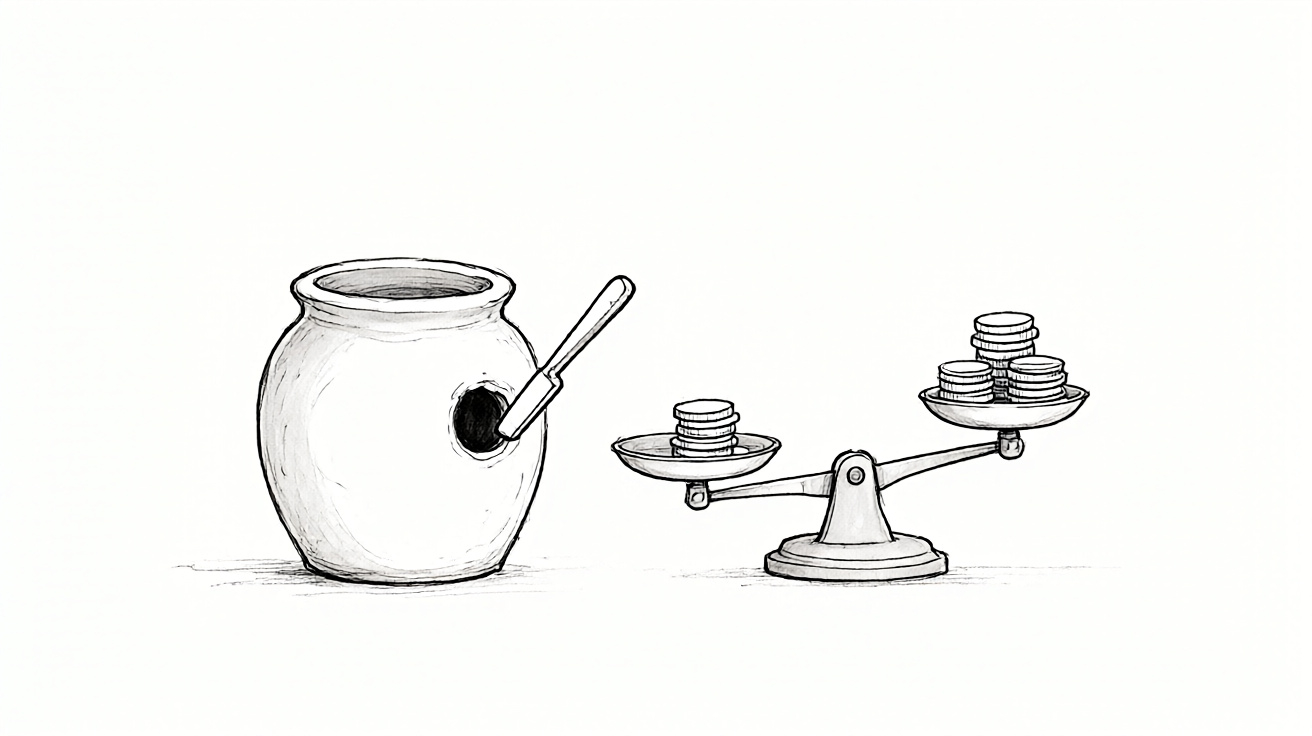
$6.3 billion—that’s how much was moved in this hot wallet incident. Binance subsequently suspended withdrawals, then pledged to cover all losses with its own funds and reserve fund, allocating more than $6.34 billion in protection funds. $BNB
How was the money replenished? The platform disclosed that by November 2, it had bought back about 95% of the affected tokens, rising to around 98% by November 3. The remaining 2% consisted mainly of coins with relatively low liquidity, which would take longer to buy back at scale. $CL
Withdrawals weren’t restored all at once, either. Starting at 14:00 Beijing time on November 1, they were reopened in stages. By 20:36 that day, the first 15 networks had all been fully restored, including major public blockchains and several long-established networks. HYPE and APT, for example, came later. $XAU
Deposit channels remained open throughout the recovery. The platform disclosed that it processed about $1.01 billion in deposits between 06:00 and 15:30 UTC on November 1, offsetting users’ withdrawals. Keeping deposits open showed that the platform hadn’t locked itself down: users could both withdraw and deposit, and the two flows offset each other, preventing the situation from turning into a one-sided bank run. It also introduced rebates on fees and a $20 million trading reward pool, among other incentives, to bring users back.
The reopening of the gates itself is more worth watching than which coins were restored. It means the platform confirmed the environment was secure and that it could cover the funds, while normal operations were being restored step by step. The pace of recovery depends on whether those low-liquidity coins can be bought back at scale. No one can rush that; they have to wait for sufficient market liquidity. Users may be in a hurry, but the platform has to stick to its pace—it can’t go too fast or too slow. The rest is just a matter of time.
Personal opinion only; not investment advice. You are responsible for your own gains and losses.
#币安恢复HYPE与APT提现