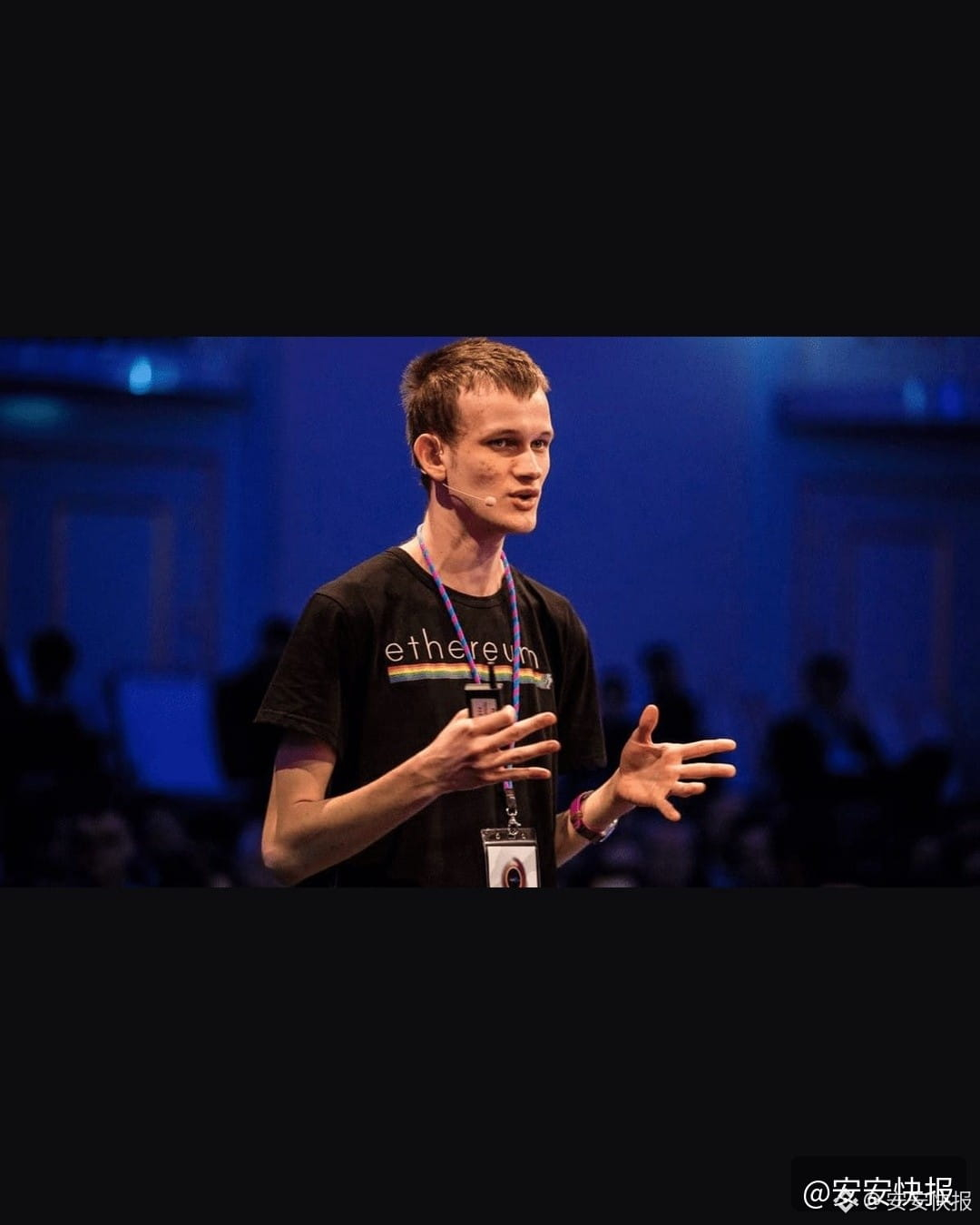
The founder personally dismantled Ethereum’s strongest narrative, and ETH fell 5% that day.
On November 8, Vitalik stated publicly: Stop valuing ETH by how much in fees it has burned. The historical peak in EIP-1559 burns “never looked that strong”; that peak was driven by gas fees during a speculative cycle and had little to do with demand for the network itself. In his words, EIP-1559 won’t be removed, and there’s no need to be upset even if the burn rate stays below 10% for a long time. ETH should be understood as a store of value, not a “fee-burning token.”
That same day, the Glamsterdam upgrade also hit a snag on the testnet: a flaw was discovered in the fee mechanism, forcing deployment to be paused. The upgrade was supposed to raise the gas limit to 200 million and make transactions cheaper, at the cost of pushing the burn rate even lower.
The market’s reaction that evening was immediate: ETH flash-crashed 7.3% in 15 minutes, briefly dipping to $2,060. It fell about 5% over 24 hours, while BTC was down only about 1.4% over the same period—ETH’s decline was 3.7 times BTC’s. The ETH/BTC exchange rate fell to 0.0285, its lowest since September. Around $800 million in positions were liquidated across the market in four hours, more than 90% of them long positions.
How to read this: In the short term, it’s a double blow—the founder himself has cooled the narrative, and the upgrade has been delayed, leaving ETH without a fresh bullish story for now. Looking ahead, there are three possible scenarios: If the Glamsterdam testnet issue is fixed quickly and a new schedule is announced, the bad news may be priced in; watch to see whether ETH can reclaim $2,200. If there’s still no word after a few weeks, assume ETH will continue to underperform BTC; if 0.0285 doesn’t hold, 0.027 is next. If U.S. CPI tomorrow evening also comes in hotter than expected and drags the broader market down, holding the $2,000 level will be ETH’s first test. $ETH
Data as of: 2026-11-09 00:45 UTC
For informational purposes only; this is not investment advice.