
Sherry长得帅不如跑的快1688
1.3k Posts

Sherry长得帅不如跑的快1688
 Square Verified
Report
Block User
Price is the surface — conviction wins the game. 13y in the trenches. Hard data, sharp calls, no shilling. I read the next move before the crowd. 📊
Open Trade

BNB Holder
Occasional Trader
7.6 Years
778 Following
30.9K+ Followers
14.1K+ Liked
Posts
Portfolio
All
Quotes
Live
PINNED
·
--
Bullish
🚨 MISSILES TARGET SAUDI ARABIA! ARAMCO OFFICE TOWER DAMAGED — IS A NEW ENERGY RISK EMERGING?
A fresh security incident struck Saudi Arabia on November 8.
According to Reuters:
🇸🇦 Saudi air defenses intercepted missiles targeting Riyadh and the oil-rich Eastern Province.
🏢 Windows at Aramco Tower in Riyadh’s financial district were damaged.
🛡️ Saudi officials reported limited damage and no casualties.
⚠️ There is currently no confirmed evidence of an oil production disruption.
Why does this matter?
🛢️ ① OIL: Further regional escalation could force markets to reassess supply disruption risks.
📈 ② INFLATION: Sustained higher oil prices could increase inflation pressure and influence rate-cut expectations.
💵 ③ DOLLAR & TREASURIES: Shifting safe-haven demand and inflation expectations may amplify currency and bond-yield volatility.
₿ ④ BTC, ETH & BNB: Crypto may react to changes in global risk appetite, but higher oil prices do not automatically mean lower crypto prices.
THE BIG QUESTION:
Is this a contained security incident or an early signal of renewed Middle East energy risk?
🎯 CORE VARIABLES: CONFLICT SCOPE × ENERGY SUPPLY × RISK SENTIMENT
What to watch:
👀 Saudi energy facility operations
👀 Actual oil futures reaction when trading resumes
👀 The dollar and Treasury yields
👀 BTC, ETH and BNB trading volume and volatility
Most traditional financial markets are closed over the weekend. Don’t treat an unobserved oil-price move as a confirmed fact.
👇 WHICH SCENARIO DO YOU EXPECT?
🟢 Tensions remain contained and markets absorb the news
🔴 Conflict expands and global risk assets face pressure
#BTC #ETH #BNB$BTC
{spot}(BNBUSDT)
🚨 MISSILES TARGET SAUDI ARABIA! ARAMCO OFFICE TOWER DAMAGED — IS A NEW ENERGY RISK EMERGING?
A fresh security incident struck Saudi Arabia on November 8.
According to Reuters:
🇸🇦 Saudi air defenses intercepted missiles targeting Riyadh and the oil-rich Eastern Province.
🏢 Windows at Aramco Tower in Riyadh’s financial district were damaged.
🛡️ Saudi officials reported limited damage and no casualties.
⚠️ There is currently no confirmed evidence of an oil production disruption.
Why does this matter?
🛢️ ① OIL: Further regional escalation could force markets to reassess supply disruption risks.
📈 ② INFLATION: Sustained higher oil prices could increase inflation pressure and influence rate-cut expectations.
💵 ③ DOLLAR & TREASURIES: Shifting safe-haven demand and inflation expectations may amplify currency and bond-yield volatility.
₿ ④ BTC, ETH & BNB: Crypto may react to changes in global risk appetite, but higher oil prices do not automatically mean lower crypto prices.
THE BIG QUESTION:
Is this a contained security incident or an early signal of renewed Middle East energy risk?
🎯 CORE VARIABLES: CONFLICT SCOPE × ENERGY SUPPLY × RISK SENTIMENT
What to watch:
👀 Saudi energy facility operations
👀 Actual oil futures reaction when trading resumes
👀 The dollar and Treasury yields
👀 BTC, ETH and BNB trading volume and volatility
Most traditional financial markets are closed over the weekend. Don’t treat an unobserved oil-price move as a confirmed fact.
👇 WHICH SCENARIO DO YOU EXPECT?
🟢 Tensions remain contained and markets absorb the news
🔴 Conflict expands and global risk assets face pressure
#BTC #ETH #BNB$BTC

96
1
7
96
PINNED
·
--
Bullish
🚨 CRYPTO EXCHANGE PLANS TO REOPEN — BUT USERS MAY STILL BE UNABLE TO WITHDRAW! DOES SEEING YOUR BALANCE MEAN YOUR FUNDS ARE SAFE?
Brazilian crypto exchange Mercado Bitcoin is reportedly preparing a phased service restoration!
📅 November 2: The platform suspended certain services following a security incident.
📅 November 9: Reports indicate that account balances and transaction-history viewing may resume first.
⚠️ Trading, deposits, withdrawals and transfers have not been confirmed to resume at the same time.
This incident highlights a crucial distinction: seeing your assets is not the same as being able to withdraw them!
Four key signals 👇
🔐 ① CUSTODY SECURITY: Exchanges must demonstrate more than recorded balances. Their systems and withdrawal infrastructure must also be secure.
💰 ② USER LIQUIDITY: An account balance and immediately withdrawable funds are not the same thing.
🏦 ③ INDUSTRY TRUST: Restoring services is only the first step. Independent audits and transparent disclosures matter too.
₿ ④ BTC, ETH & BNB: Exchange security incidents may affect risk sentiment, but they do not directly predict major crypto prices.
THE BIG QUESTION:
After a security breach, should exchanges prioritize reopening or complete every security check before restoring access?
🎯 CORE VARIABLES: ASSET VERIFICATION × WITHDRAWAL ACCESS × SECURITY AUDITS
What to watch:
👀 Which services actually reopen on November 9
👀 Timing of withdrawal and transfer restoration
👀 Customer asset protection and reimbursement plans
👀 Independent security investigation findings
👀 BTC, ETH and BNB market liquidity
Visible balances do not necessarily mean accessible funds.
👇 WHICH APPROACH DO YOU SUPPORT?
🟢 Restore services gradually and prioritize security
🔴 Restore withdrawals quickly to protect user control over funds
#BTC #ETH #BNB
{spot}(BNBUSDT)
🚨 CRYPTO EXCHANGE PLANS TO REOPEN — BUT USERS MAY STILL BE UNABLE TO WITHDRAW! DOES SEEING YOUR BALANCE MEAN YOUR FUNDS ARE SAFE?
Brazilian crypto exchange Mercado Bitcoin is reportedly preparing a phased service restoration!
📅 November 2: The platform suspended certain services following a security incident.
📅 November 9: Reports indicate that account balances and transaction-history viewing may resume first.
⚠️ Trading, deposits, withdrawals and transfers have not been confirmed to resume at the same time.
This incident highlights a crucial distinction: seeing your assets is not the same as being able to withdraw them!
Four key signals 👇
🔐 ① CUSTODY SECURITY: Exchanges must demonstrate more than recorded balances. Their systems and withdrawal infrastructure must also be secure.
💰 ② USER LIQUIDITY: An account balance and immediately withdrawable funds are not the same thing.
🏦 ③ INDUSTRY TRUST: Restoring services is only the first step. Independent audits and transparent disclosures matter too.
₿ ④ BTC, ETH & BNB: Exchange security incidents may affect risk sentiment, but they do not directly predict major crypto prices.
THE BIG QUESTION:
After a security breach, should exchanges prioritize reopening or complete every security check before restoring access?
🎯 CORE VARIABLES: ASSET VERIFICATION × WITHDRAWAL ACCESS × SECURITY AUDITS
What to watch:
👀 Which services actually reopen on November 9
👀 Timing of withdrawal and transfer restoration
👀 Customer asset protection and reimbursement plans
👀 Independent security investigation findings
👀 BTC, ETH and BNB market liquidity
Visible balances do not necessarily mean accessible funds.
👇 WHICH APPROACH DO YOU SUPPORT?
🟢 Restore services gradually and prioritize security
🔴 Restore withdrawals quickly to protect user control over funds
#BTC #ETH #BNB

1.5k
37
109
1.5k

·
--
Bullish
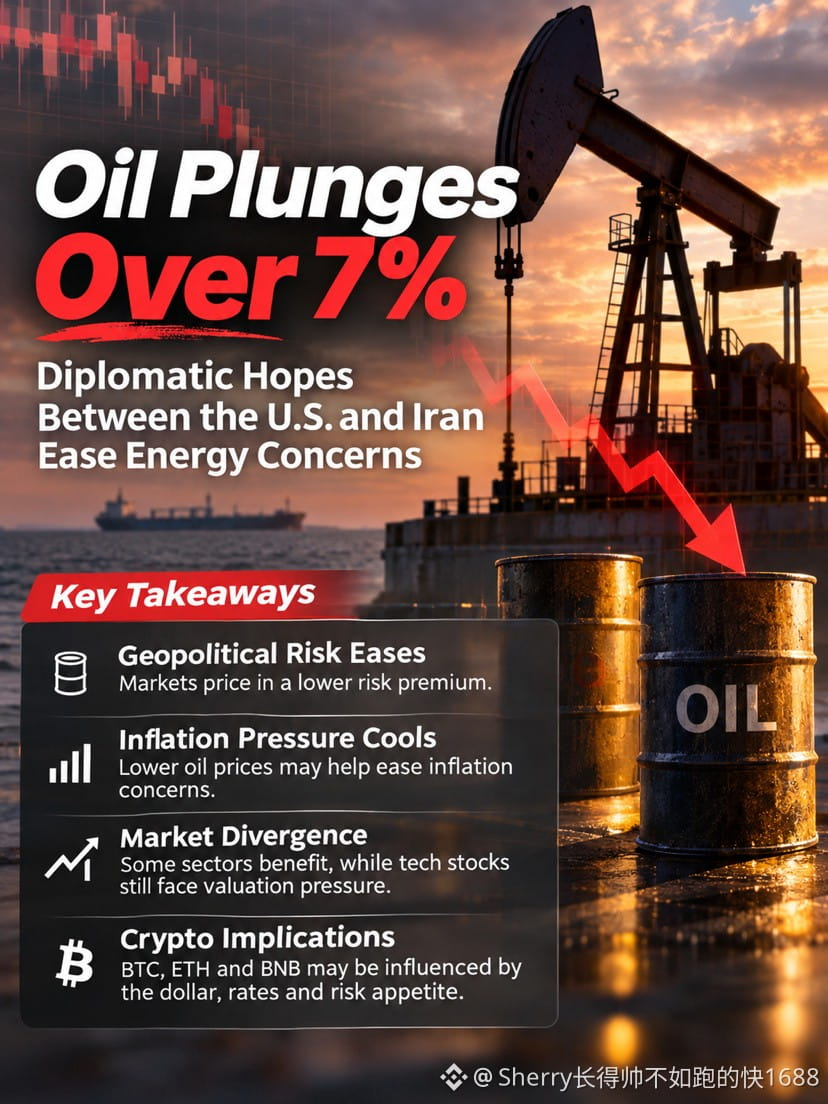
🚨 OIL CRASHES MORE THAN 7% IN ONE SESSION! IS GLOBAL INFLATION PRESSURE FINALLY STARTING TO EASE?
A major market shift unfolded on November 2!
🛢️ Brent crude closed down approximately 7.6%.
📉 WTI crude closed down approximately 7.4%.
The catalyst: Iran signaled a willingness to negotiate with the United States, while Qatar-mediated diplomacy continued. Markets began reassessing Middle East energy supply risks.
But remember: Renewed diplomatic hopes do NOT mean a peace agreement has been reached.
Four key signals 👇
🛢️ ① ENERGY RISK EASES: If Gulf shipping gradually normalizes, geopolitical risk premiums in oil could decline further.
🏦 ② BONDS GET RELIEF: Lower oil prices may ease inflation concerns, but they do not guarantee central-bank rate cuts.
📊 ③ EQUITIES DIVERGE: Lower energy costs could help some businesses, while tech stocks still face valuation and AI-return concerns.
₿ ④ BTC, ETH & BNB: Crypto may respond to the dollar, interest rates and global risk appetite. Falling oil alone is not a buy signal.
THE BIG QUESTION:
Are markets correctly anticipating a peace breakthrough, or underestimating the risk of failed negotiations?
🎯 CORE VARIABLES: U.S.–IRAN TALKS × OIL SUPPLY × INFLATION EXPECTATIONS
What to watch:
👀 Actual shipping conditions in the Strait of Hormuz
👀 Any formal U.S.–Iran agreement
👀 The 10-year Treasury yield and dollar
👀 Nasdaq and Asian equity performance
👀 BTC, ETH and BNB volume and ETF flows
The November 3 U.S. midterm elections could also influence global risk appetite.
👇 WHICH SCENARIO DO YOU EXPECT?
🟢 Diplomacy advances and oil-driven inflation pressure eases
🔴 Talks falter and energy-market volatility returns
#BTC #ETH #BNB
{spot}(BNBUSDT)
🚨 OIL CRASHES MORE THAN 7% IN ONE SESSION! IS GLOBAL INFLATION PRESSURE FINALLY STARTING TO EASE?
A major market shift unfolded on November 2!
🛢️ Brent crude closed down approximately 7.6%.
📉 WTI crude closed down approximately 7.4%.
The catalyst: Iran signaled a willingness to negotiate with the United States, while Qatar-mediated diplomacy continued. Markets began reassessing Middle East energy supply risks.
But remember: Renewed diplomatic hopes do NOT mean a peace agreement has been reached.
Four key signals 👇
🛢️ ① ENERGY RISK EASES: If Gulf shipping gradually normalizes, geopolitical risk premiums in oil could decline further.
🏦 ② BONDS GET RELIEF: Lower oil prices may ease inflation concerns, but they do not guarantee central-bank rate cuts.
📊 ③ EQUITIES DIVERGE: Lower energy costs could help some businesses, while tech stocks still face valuation and AI-return concerns.
₿ ④ BTC, ETH & BNB: Crypto may respond to the dollar, interest rates and global risk appetite. Falling oil alone is not a buy signal.
THE BIG QUESTION:
Are markets correctly anticipating a peace breakthrough, or underestimating the risk of failed negotiations?
🎯 CORE VARIABLES: U.S.–IRAN TALKS × OIL SUPPLY × INFLATION EXPECTATIONS
What to watch:
👀 Actual shipping conditions in the Strait of Hormuz
👀 Any formal U.S.–Iran agreement
👀 The 10-year Treasury yield and dollar
👀 Nasdaq and Asian equity performance
👀 BTC, ETH and BNB volume and ETF flows
The November 3 U.S. midterm elections could also influence global risk appetite.
👇 WHICH SCENARIO DO YOU EXPECT?
🟢 Diplomacy advances and oil-driven inflation pressure eases
🔴 Talks falter and energy-market volatility returns
#BTC #ETH #BNB
693
13
55
1.4k
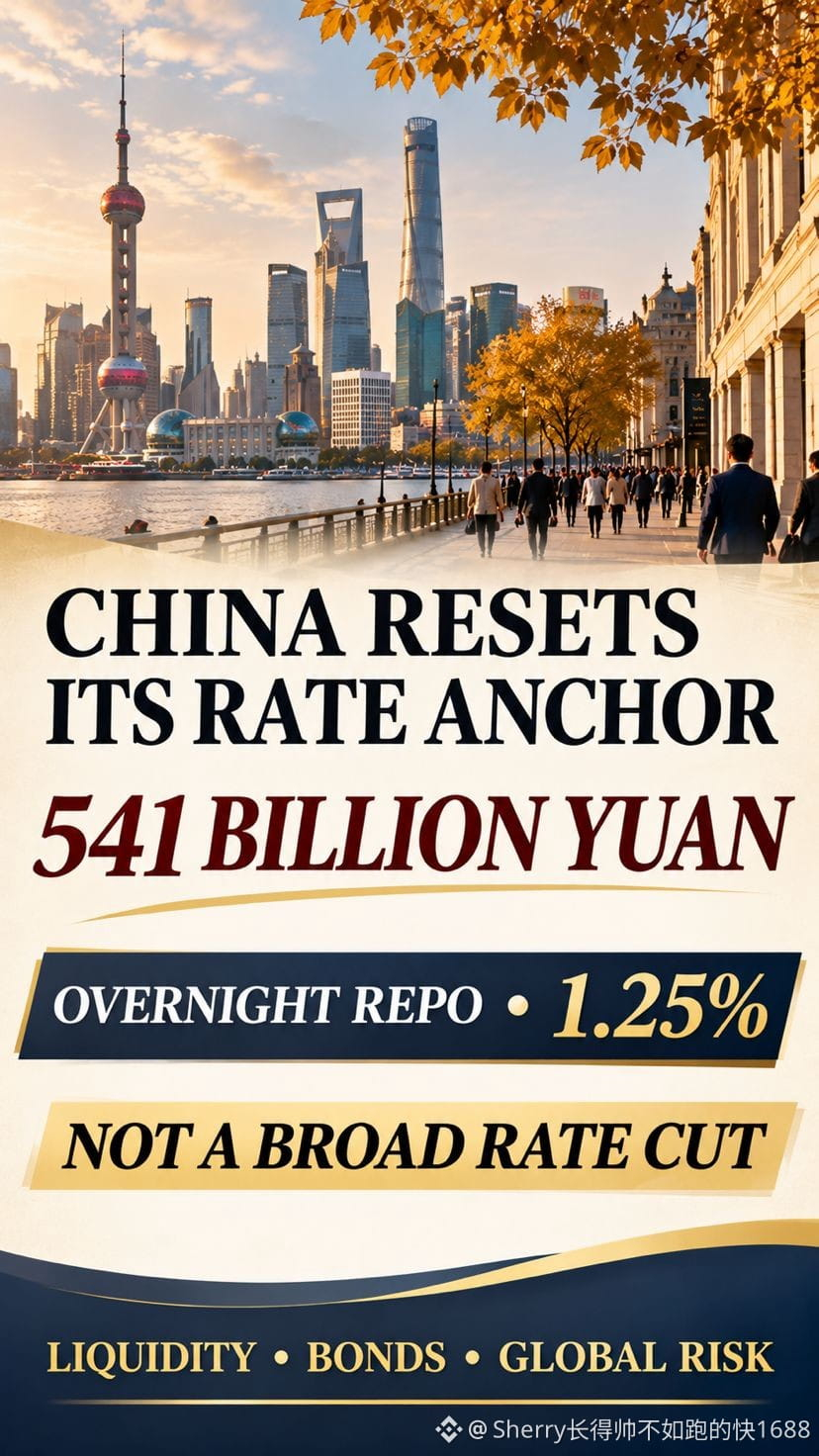
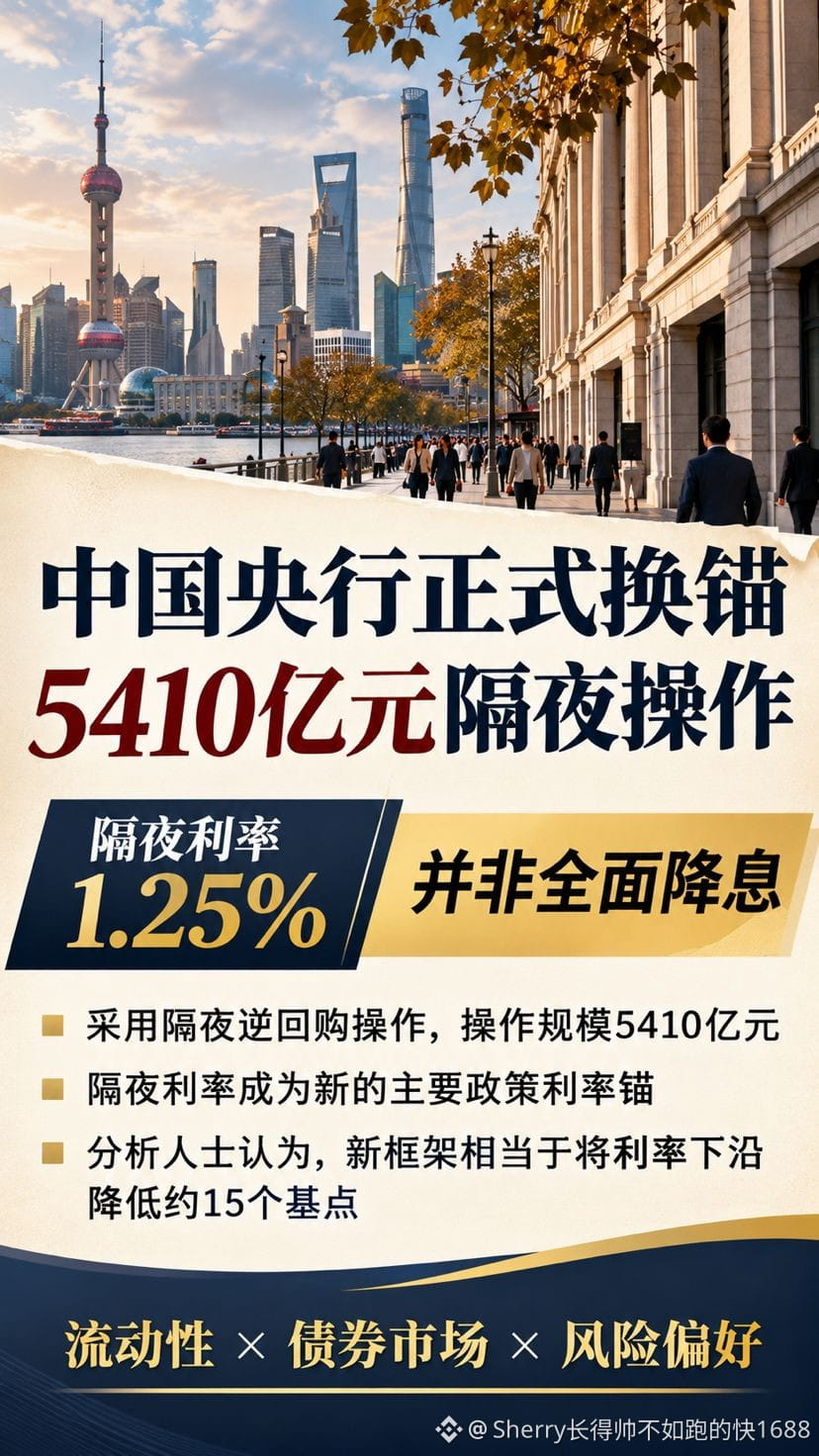
🚨 CHINA INJECTS 541 BILLION YUAN AS ITS CENTRAL BANK RESETS THE RATE ANCHOR! IS LIQUIDITY ABOUT TO EASE?
A significant monetary-policy change took effect on November 2.
💰 Overnight reverse repo operations: 541 billion yuan
📉 Operation rate: 1.25%
🏦 The overnight rate becomes China’s main policy-rate anchor.
Analysts say the shift effectively lowers the floor of the interest-rate framework by around 15 basis points.
⚠️ Important: This is NOT a conventional broad rate cut. The 541 billion yuan operation amount is not the same as net liquidity injection.
Four key signals 👇
🏦 ① BANK FUNDING: More stable short-term funding costs could ease pressure on some financial institutions.
📊 ② BOND MARKETS: Lower funding costs may influence government bond yields, although actual moves depend on supply and demand.
🇨🇳 ③ CHINESE EQUITIES: Liquidity support may improve sentiment, but it does not automatically signal a major stimulus package.
₿ ④ BTC, ETH & BNB: Global liquidity matters for risk appetite, but China’s policy shift does not guarantee higher crypto prices.
THE BIG QUESTION:
Is this mainly an upgrade to China’s monetary-policy framework, or the first step toward further easing?
🎯 CORE VARIABLES: SHORT-TERM RATES × CREDIT DEMAND × GLOBAL LIQUIDITY
What to watch:
👀 China’s interbank funding rates
👀 Government bond yields and the yuan
👀 Chinese equities and Asian risk assets
👀 U.S. Treasury yields, the dollar and oil
👀 BTC, ETH and BNB volume and ETF flows
Today’s U.S. spot ETF trading session has not finished, so final flow data is not yet available.
👇 WHICH SCENARIO DO YOU EXPECT?
🟢 Liquidity improves and risk appetite recovers
🔴 Policy impact remains limited and markets wait for stronger stimulus
#BTC #ETH #BNB $BNCB
{spot}(BNBUSDT)
🚨 CHINA INJECTS 541 BILLION YUAN AS ITS CENTRAL BANK RESETS THE RATE ANCHOR! IS LIQUIDITY ABOUT TO EASE?
A significant monetary-policy change took effect on November 2.
💰 Overnight reverse repo operations: 541 billion yuan
📉 Operation rate: 1.25%
🏦 The overnight rate becomes China’s main policy-rate anchor.
Analysts say the shift effectively lowers the floor of the interest-rate framework by around 15 basis points.
⚠️ Important: This is NOT a conventional broad rate cut. The 541 billion yuan operation amount is not the same as net liquidity injection.
Four key signals 👇
🏦 ① BANK FUNDING: More stable short-term funding costs could ease pressure on some financial institutions.
📊 ② BOND MARKETS: Lower funding costs may influence government bond yields, although actual moves depend on supply and demand.
🇨🇳 ③ CHINESE EQUITIES: Liquidity support may improve sentiment, but it does not automatically signal a major stimulus package.
₿ ④ BTC, ETH & BNB: Global liquidity matters for risk appetite, but China’s policy shift does not guarantee higher crypto prices.
THE BIG QUESTION:
Is this mainly an upgrade to China’s monetary-policy framework, or the first step toward further easing?
🎯 CORE VARIABLES: SHORT-TERM RATES × CREDIT DEMAND × GLOBAL LIQUIDITY
What to watch:
👀 China’s interbank funding rates
👀 Government bond yields and the yuan
👀 Chinese equities and Asian risk assets
👀 U.S. Treasury yields, the dollar and oil
👀 BTC, ETH and BNB volume and ETF flows
Today’s U.S. spot ETF trading session has not finished, so final flow data is not yet available.
👇 WHICH SCENARIO DO YOU EXPECT?
🟢 Liquidity improves and risk appetite recovers
🔴 Policy impact remains limited and markets wait for stronger stimulus
#BTC #ETH #BNB $BNCB
2.4k
25
134
2.4k
🎙️ Welcome to Tangbao’s livestream—come chat about the secrets to Web3 wealth!

End
04 h 32 m 05 s
10.3k
66
80
·
--
Bullish
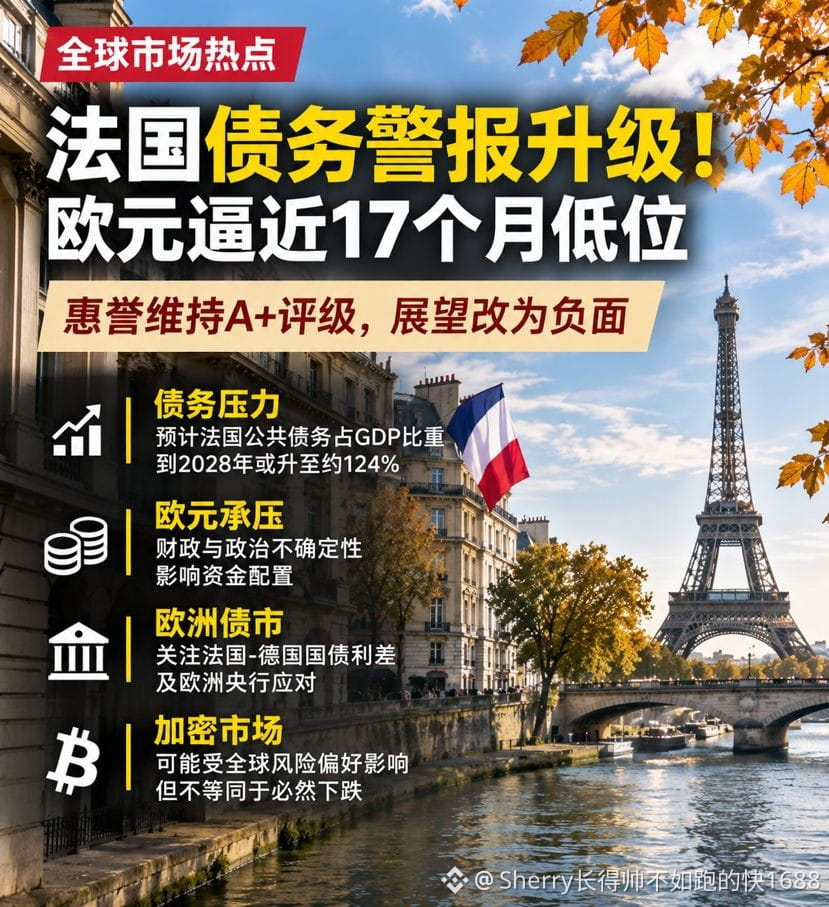
🚨 FRANCE’S DEBT WARNING DEEPENS! EURO NEAR A 17-MONTH LOW — ARE GLOBAL INVESTORS TURNING DEFENSIVE?
A new financial risk is in focus as Asian markets trade on November 2.
Fitch revised France’s sovereign credit outlook from Stable to Negative, while keeping its A+ rating unchanged.
France’s economy unexpectedly contracted 0.1% in Q3. Its 10-year government bond yield briefly exceeded 5.14% last week, reaching its highest level since 2002.
The euro hovered near a 17-month low in early Monday trading.
Four key signals 👇
🇫🇷 ① DEBT PRESSURE: Fitch expects France’s public debt to approach 124% of GDP by 2028.
💶 ② EURO UNDER PRESSURE: Fiscal and political uncertainty could affect capital allocation, although dollar strength and rate expectations also matter.
🏦 ③ EUROPEAN BONDS: Watch French-German yield spreads and how the ECB balances growth and inflation risks.
₿ ④ BTC, ETH & BNB: Global risk appetite could be affected, but a negative credit outlook does not automatically mean lower crypto prices.
THE BIG QUESTION:
Is Europe’s debt stress a temporary market shock, or are investors beginning to reprice sovereign credit risk globally?
🎯 CORE VARIABLES: FRENCH FISCAL REFORM × BOND SPREADS × DOLLAR LIQUIDITY
What to watch:
👀 France’s 2027 budget negotiations
👀 The euro and French-German bond spreads
👀 U.S. Treasury yields and the dollar
👀 BTC, ETH and BNB volume and market depth
👀 Monday’s U.S. spot ETF flows
U.S. spot ETFs were closed over the weekend. Monday’s final flow figures require a completed trading session.
👇 WHICH SCENARIO DO YOU EXPECT?
🟢 European risks ease and sentiment gradually recovers
🔴 Debt concerns spread and risk assets remain under pressure
#BTC #ETH #BNB$ETH
{spot}(ETHUSDT)
{spot}(BNBUSDT)
🚨 FRANCE’S DEBT WARNING DEEPENS! EURO NEAR A 17-MONTH LOW — ARE GLOBAL INVESTORS TURNING DEFENSIVE?
A new financial risk is in focus as Asian markets trade on November 2.
Fitch revised France’s sovereign credit outlook from Stable to Negative, while keeping its A+ rating unchanged.
France’s economy unexpectedly contracted 0.1% in Q3. Its 10-year government bond yield briefly exceeded 5.14% last week, reaching its highest level since 2002.
The euro hovered near a 17-month low in early Monday trading.
Four key signals 👇
🇫🇷 ① DEBT PRESSURE: Fitch expects France’s public debt to approach 124% of GDP by 2028.
💶 ② EURO UNDER PRESSURE: Fiscal and political uncertainty could affect capital allocation, although dollar strength and rate expectations also matter.
🏦 ③ EUROPEAN BONDS: Watch French-German yield spreads and how the ECB balances growth and inflation risks.
₿ ④ BTC, ETH & BNB: Global risk appetite could be affected, but a negative credit outlook does not automatically mean lower crypto prices.
THE BIG QUESTION:
Is Europe’s debt stress a temporary market shock, or are investors beginning to reprice sovereign credit risk globally?
🎯 CORE VARIABLES: FRENCH FISCAL REFORM × BOND SPREADS × DOLLAR LIQUIDITY
What to watch:
👀 France’s 2027 budget negotiations
👀 The euro and French-German bond spreads
👀 U.S. Treasury yields and the dollar
👀 BTC, ETH and BNB volume and market depth
👀 Monday’s U.S. spot ETF flows
U.S. spot ETFs were closed over the weekend. Monday’s final flow figures require a completed trading session.
👇 WHICH SCENARIO DO YOU EXPECT?
🟢 European risks ease and sentiment gradually recovers
🔴 Debt concerns spread and risk assets remain under pressure
#BTC #ETH #BNB$ETH

975
11
62
975
Verified
🚨 OIL SURGES, BUT OPEC+ SIGNALS NO OUTPUT INCREASE! IS A BIGGER MARKET TEST COMING?
Brent crude futures gained approximately 13.6% in October, marking a strong monthly rally.
As energy supply concerns grow, Reuters reported on October 31 that seven core OPEC+ producers had agreed in principle to keep December output targets unchanged, pending formal confirmation at their November 1 meeting.
Four key signals 👇
🛢️ ① SUPPLY REMAINS TIGHT: Unchanged production targets do not mean actual oil supply has recovered.
🚢 ② SHIPPING RISKS PERSIST: Security threats around the Strait of Hormuz and Middle Eastern energy infrastructure could continue disrupting supplies.
📊 ③ INFLATION PRESSURE: Sustained high energy costs may influence inflation expectations and central-bank policy flexibility.
₿ ④ CRYPTO FACES A TEST: BTC, ETH and BNB may react to changes in global risk appetite, but higher oil prices do not automatically mean lower crypto prices.
THE BIG QUESTION:
Is the market worried about OPEC+ refusing to increase production, or about producers being unable to deliver more oil even with higher quotas?
🎯 CORE VARIABLES: ACTUAL SUPPLY × MIDDLE EAST RISKS × GLOBAL LIQUIDITY
What to watch:
👀 Official OPEC+ meeting statement
👀 Middle East shipping and energy security
👀 Oil, Treasury yields and the dollar next week
👀 BTC, ETH and BNB trading volume
👀 U.S. spot crypto ETF flows
U.S. stocks and spot ETFs are closed on Sunday. Crypto markets remain open.
👇 Which scenario do you expect?
🟢 Supply risks ease and market sentiment recovers
🔴 Oil stays strong and risk assets remain under pressure
#BTC #ETH #BNB$BNB
{spot}(BNBUSDT)
{spot}(PEPEUSDT)
🚨 OIL SURGES, BUT OPEC+ SIGNALS NO OUTPUT INCREASE! IS A BIGGER MARKET TEST COMING?
Brent crude futures gained approximately 13.6% in October, marking a strong monthly rally.
As energy supply concerns grow, Reuters reported on October 31 that seven core OPEC+ producers had agreed in principle to keep December output targets unchanged, pending formal confirmation at their November 1 meeting.
Four key signals 👇
🛢️ ① SUPPLY REMAINS TIGHT: Unchanged production targets do not mean actual oil supply has recovered.
🚢 ② SHIPPING RISKS PERSIST: Security threats around the Strait of Hormuz and Middle Eastern energy infrastructure could continue disrupting supplies.
📊 ③ INFLATION PRESSURE: Sustained high energy costs may influence inflation expectations and central-bank policy flexibility.
₿ ④ CRYPTO FACES A TEST: BTC, ETH and BNB may react to changes in global risk appetite, but higher oil prices do not automatically mean lower crypto prices.
THE BIG QUESTION:
Is the market worried about OPEC+ refusing to increase production, or about producers being unable to deliver more oil even with higher quotas?
🎯 CORE VARIABLES: ACTUAL SUPPLY × MIDDLE EAST RISKS × GLOBAL LIQUIDITY
What to watch:
👀 Official OPEC+ meeting statement
👀 Middle East shipping and energy security
👀 Oil, Treasury yields and the dollar next week
👀 BTC, ETH and BNB trading volume
👀 U.S. spot crypto ETF flows
U.S. stocks and spot ETFs are closed on Sunday. Crypto markets remain open.
👇 Which scenario do you expect?
🟢 Supply risks ease and market sentiment recovers
🔴 Oil stays strong and risk assets remain under pressure
#BTC #ETH #BNB$BNB

1.6k
25
115
1.6k
🎙️ Build Binance Square and hold BNB | There’s an airdrop event in today’s livestream—everyone’s welcome to stop by and watch!

End
04 h 51 m 45 s
18.4k
62
52
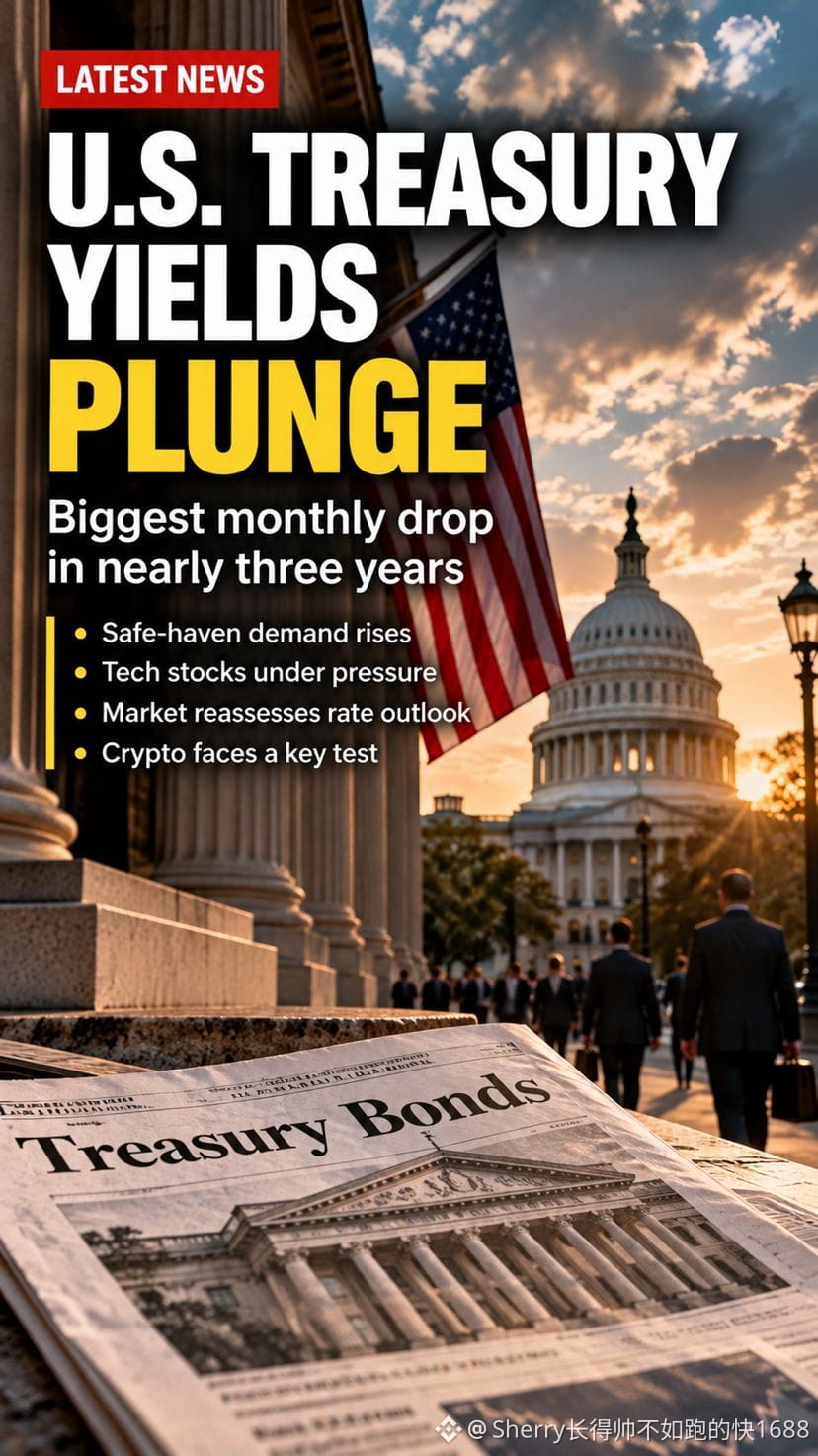
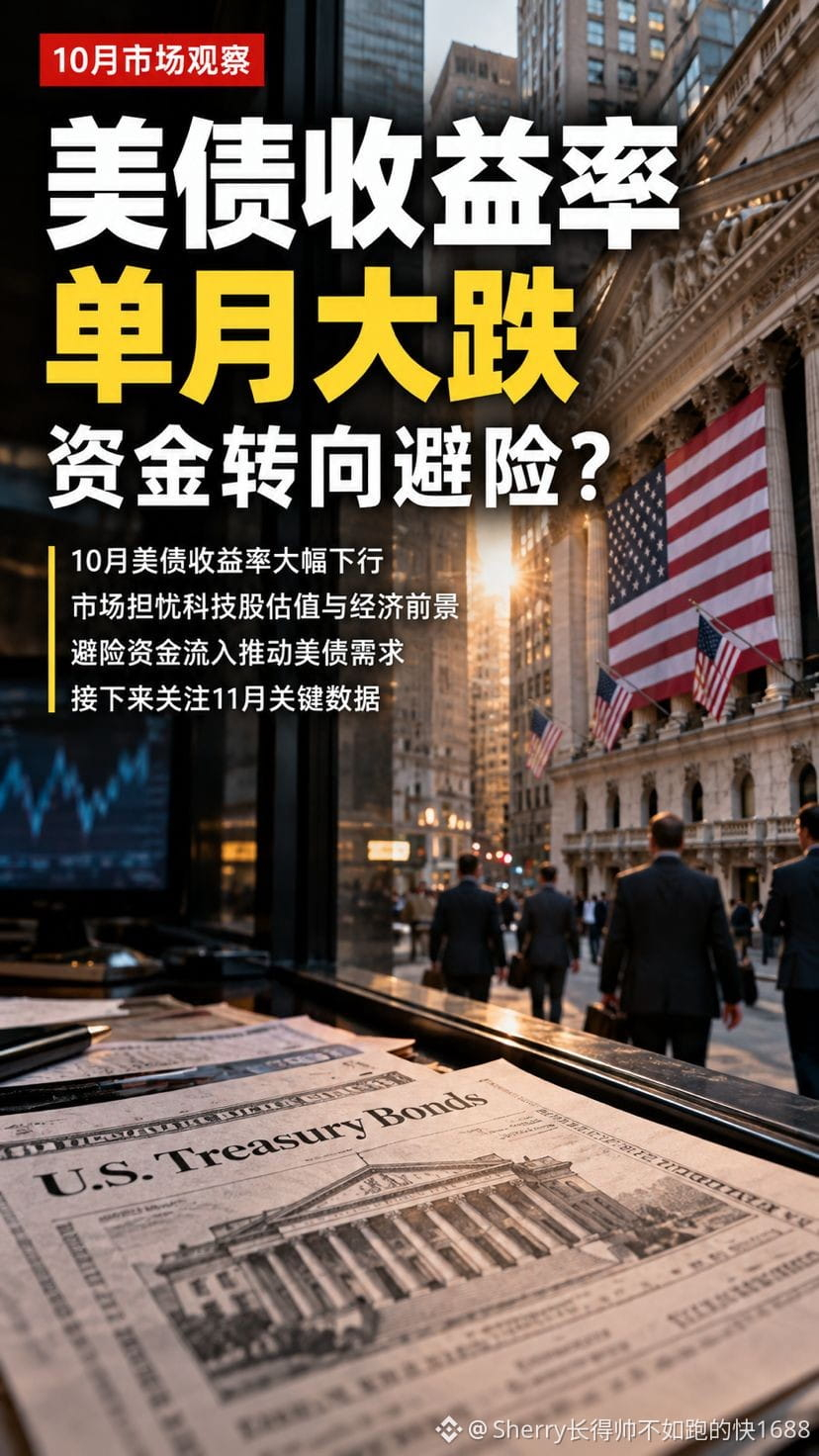
🚨 TREASURY YIELDS JUST PLUNGED! IS GLOBAL MONEY RUNNING FOR SAFETY?
While everyone is watching crypto volatility, the global bond market is sending another major signal.
📉 In October, the U.S. 10-year Treasury yield fell roughly 38 basis points — one of its biggest monthly declines in nearly three years.
At the same time, technology stocks came under pressure as investors reassessed risk.
Four signals worth watching:
🏦 ① Safe-haven demand is rising. Some capital is moving toward government bonds as investors prioritize security.
📊 ② Tech valuations are under pressure. Wall Street is questioning whether massive AI spending will generate sufficient returns.
💵 ③ Rate and dollar expectations are shifting. Falling Treasury yields do not automatically mean imminent Fed rate cuts.
₿ ④ BTC, ETH and BNB face a test. Lower yields may support valuations, but broader risk aversion can still weigh on crypto.
THE BIG QUESTION:
Is this just a temporary flight to safety, or are markets starting to price in slower economic growth?
🎯 CORE VARIABLES: RISK SENTIMENT × TREASURY YIELDS × GLOBAL LIQUIDITY
What to watch next:
👀 Treasury yields next week
👀 Whether the Nasdaq stabilizes
👀 The U.S. dollar index
👀 Weekend BTC, ETH and BNB trading volume and liquidity
👀 Next week’s U.S. spot crypto ETF flows
U.S. stocks and spot ETFs are closed for the weekend. Crypto never closes.
👇 Which scenario do you see?
🟢 RISK-ON RECOVERY: Capital rotates back into tech and crypto
🔴 FLIGHT TO SAFETY: Bonds remain in demand while risk assets struggle
#BTC #ETH #BNB$BNB
1.1k
6
74
1.1k
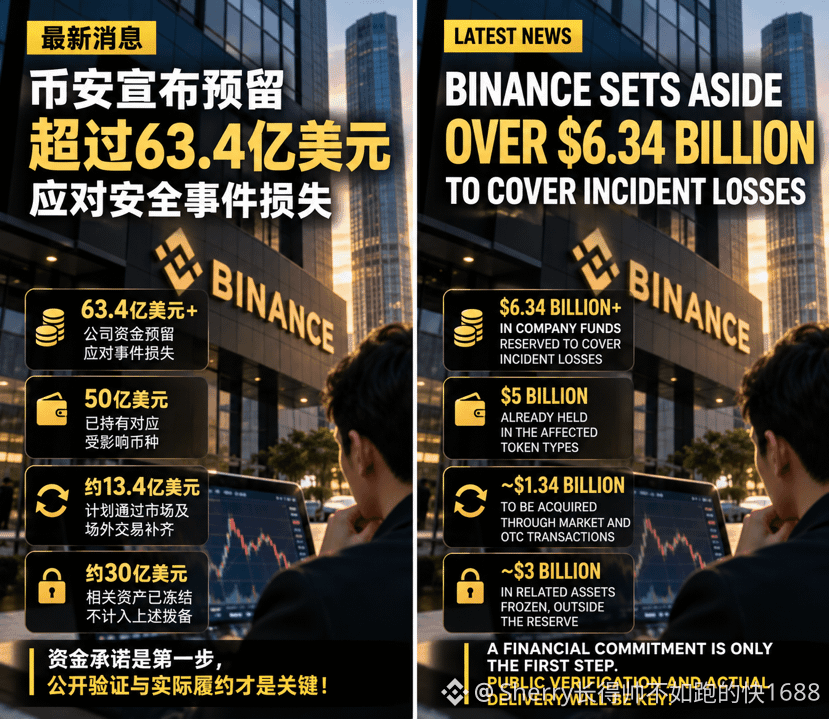
🚨 $6.34 BILLION! BINANCE UNVEILS A MASSIVE RECOVERY RESERVE — CAN CONFIDENCE RETURN?
After the security incident, the real test begins!
Binance's October 30 update:
💰 Over $6.34 billion in company funds reserved to cover incident losses
🏦 $5 billion already held in the affected token types
🔄 Roughly $1.34 billion more to be acquired through market and OTC transactions
🔒 Around $3 billion in related assets frozen separately, outside the reserve
⚠️ IMPORTANT: Reserved funds are not final net losses. Frozen assets are not necessarily recovered assets!
Four key signals 👇
🛡️ ① Binance has pledged to cover losses, but actual repayment progress still needs verification
💧 ② Purchasing less-liquid tokens could affect market depth
📊 ③ Proof of Reserves will be a crucial transparency test
₿ ④ BTC, ETH and BNB still depend on service restoration and real market demand
THE BIG QUESTION:
CONFIDENCE RECOVERY OR LIQUIDITY TEST?
CORE VARIABLES:
ASSET RECOVERY × PROOF OF RESERVES × WITHDRAWALS
What I'm watching:
👀 Actual compensation and token replenishment
👀 Withdrawal restoration and successful settlements
👀 Public, verifiable Proof of Reserves
👀 BTC, ETH and BNB volume and liquidity
👀 U.S. spot ETF flows from completed sessions
A financial commitment is only the first step.
Public verification and actual delivery will determine whether confidence returns!
👇 What's your take?
🟢 RECOVERY: The reserve could help rebuild trust
🔴 CAUTION: Execution and liquidity risks remain
#BTC #ETH #BNB
2.4k
6
101
2.4k
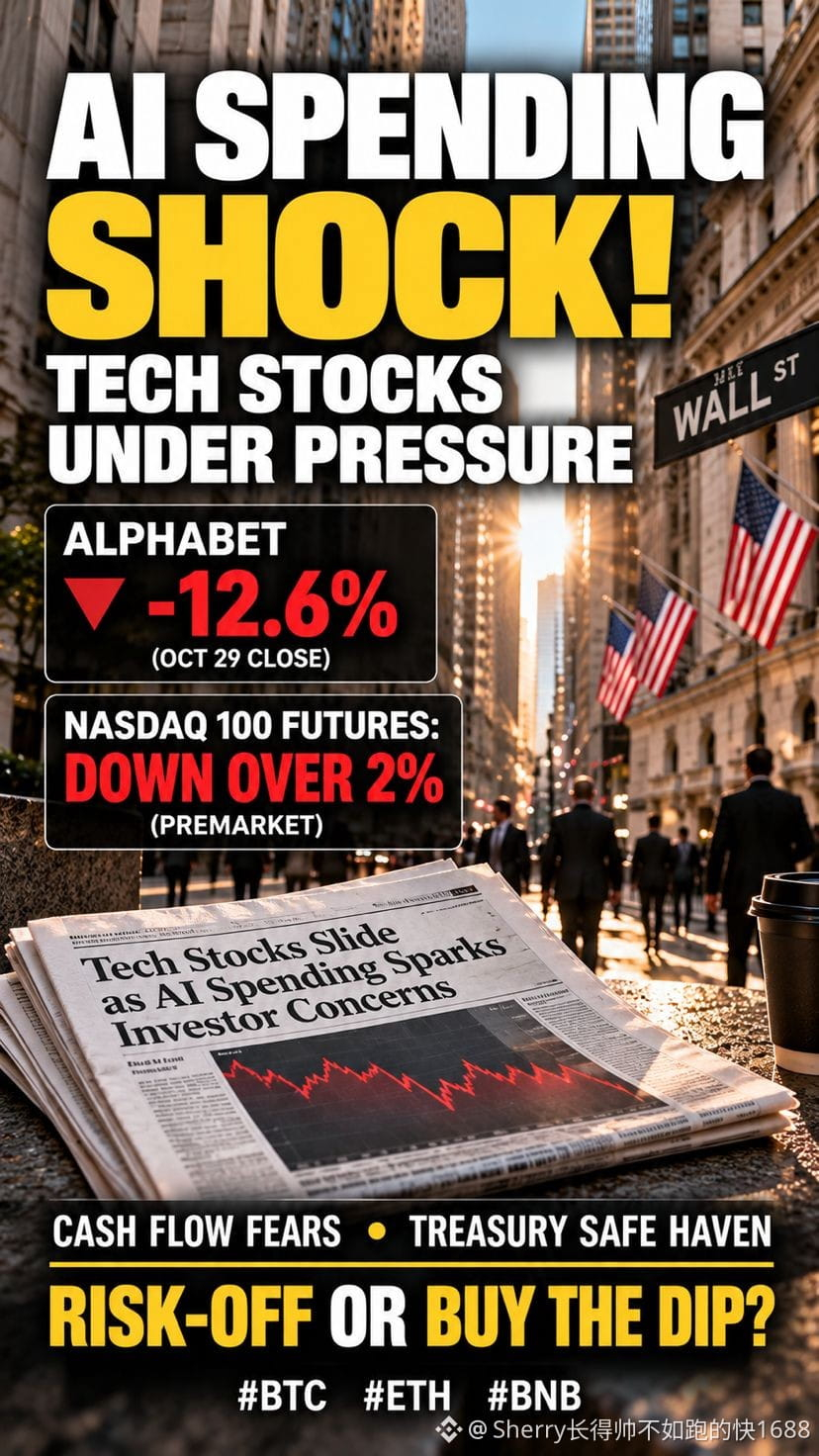
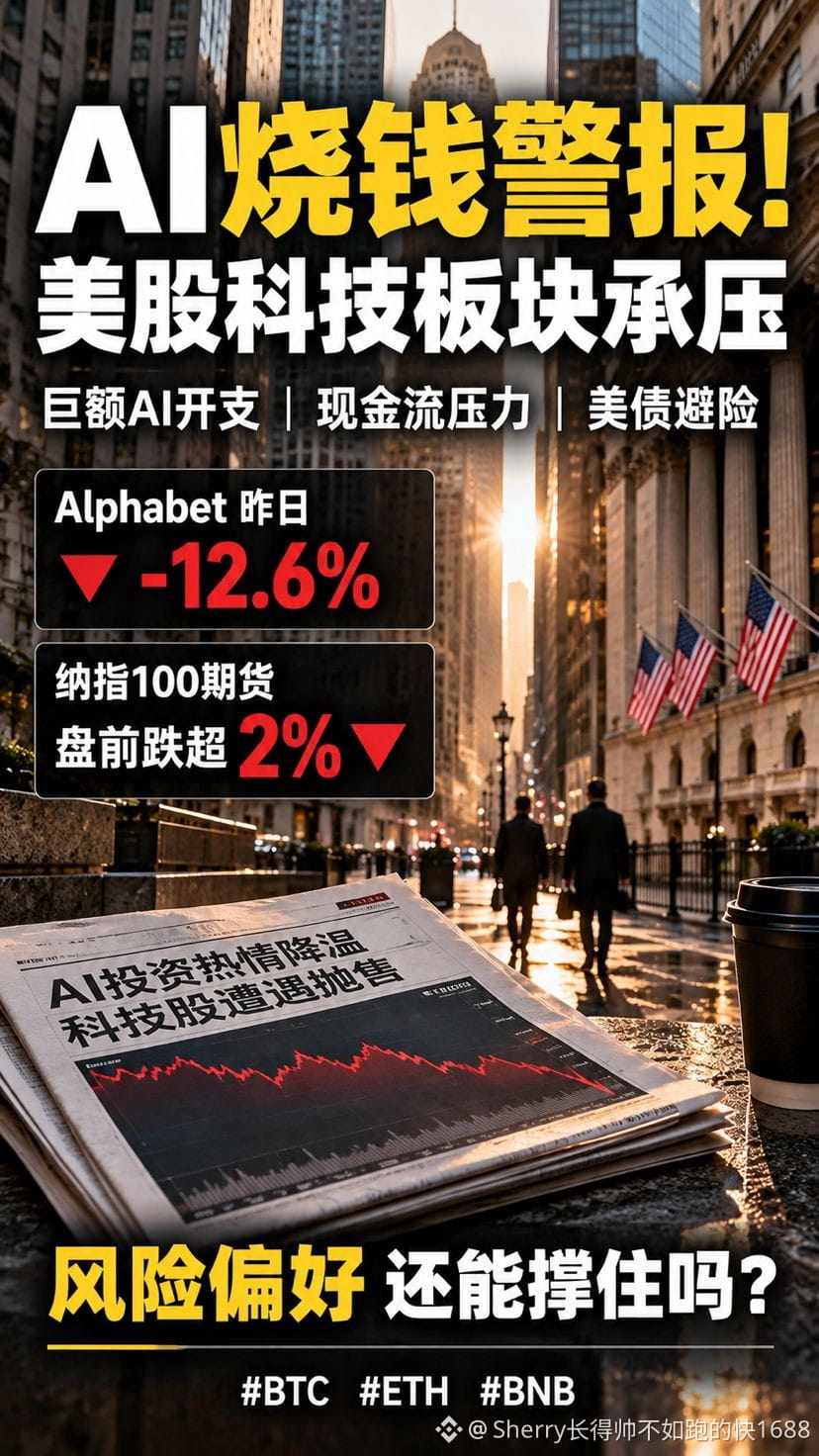
🚨 AI SPENDING SHOCK! TECH GIANTS UNDER PRESSURE AS GLOBAL MARKETS REPRICE RISK!
The question is no longer whether AI has a future.
It's when massive AI investments will deliver real returns!
Ahead of the October 30 U.S. market open:
📉 Alphabet closed down 12.6% Thursday, wiping out roughly $500 billion in market value
⚠️ Intel fell over 25% premarket, while Amazon dropped around 6%
📊 Nasdaq 100 futures declined more than 2%
🏦 Investors rushed toward Treasuries, pushing the U.S. 10-year yield near 4.91%
Four important signals 👇
🔥 ① AI investment continues, but cash flow and returns are now under scrutiny
💸 ② Elevated tech valuations face a reality check as investors reassess risk
🛢️ ③ A tanker attack near the Strait of Hormuz lifted oil prices, adding inflation concerns
₿ ④ BTC, ETH and BNB face shifting global risk sentiment, but crypto weakness cannot be attributed entirely to AI
THE BIG QUESTION:
AI BUBBLE OR HEALTHY CORRECTION?
CORE VARIABLES:
AI CASH FLOW × BOND YIELDS × GLOBAL LIQUIDITY
What I'm watching:
👀 Whether tech stocks stabilize after the U.S. open
👀 Treasury yields and the dollar index
👀 BTC, ETH and BNB trading volume and capital flows
👀 ETF flows from the next completed session
The long-term AI story may remain intact, but investors are demanding real returns!
👇 What's your take?
🟢 CORRECTION: A normal technology-sector pullback
🔴 RISK OFF: Pressure on global risk assets isn't over
#BTC #ETH #BNB$PEPE
{spot}(SOLUSDT)
{spot}(PEPEUSDT)
🚨 AI SPENDING SHOCK! TECH GIANTS UNDER PRESSURE AS GLOBAL MARKETS REPRICE RISK!
The question is no longer whether AI has a future.
It's when massive AI investments will deliver real returns!
Ahead of the October 30 U.S. market open:
📉 Alphabet closed down 12.6% Thursday, wiping out roughly $500 billion in market value
⚠️ Intel fell over 25% premarket, while Amazon dropped around 6%
📊 Nasdaq 100 futures declined more than 2%
🏦 Investors rushed toward Treasuries, pushing the U.S. 10-year yield near 4.91%
Four important signals 👇
🔥 ① AI investment continues, but cash flow and returns are now under scrutiny
💸 ② Elevated tech valuations face a reality check as investors reassess risk
🛢️ ③ A tanker attack near the Strait of Hormuz lifted oil prices, adding inflation concerns
₿ ④ BTC, ETH and BNB face shifting global risk sentiment, but crypto weakness cannot be attributed entirely to AI
THE BIG QUESTION:
AI BUBBLE OR HEALTHY CORRECTION?
CORE VARIABLES:
AI CASH FLOW × BOND YIELDS × GLOBAL LIQUIDITY
What I'm watching:
👀 Whether tech stocks stabilize after the U.S. open
👀 Treasury yields and the dollar index
👀 BTC, ETH and BNB trading volume and capital flows
👀 ETF flows from the next completed session
The long-term AI story may remain intact, but investors are demanding real returns!
👇 What's your take?
🟢 CORRECTION: A normal technology-sector pullback
🔴 RISK OFF: Pressure on global risk assets isn't over
#BTC #ETH #BNB$PEPE
1.1k
14
79
1.1k
🎙️ Let's talk about the hacking incident! Where is BNB headed?
End
01 h 54 m 52 s
9.1k
9
6
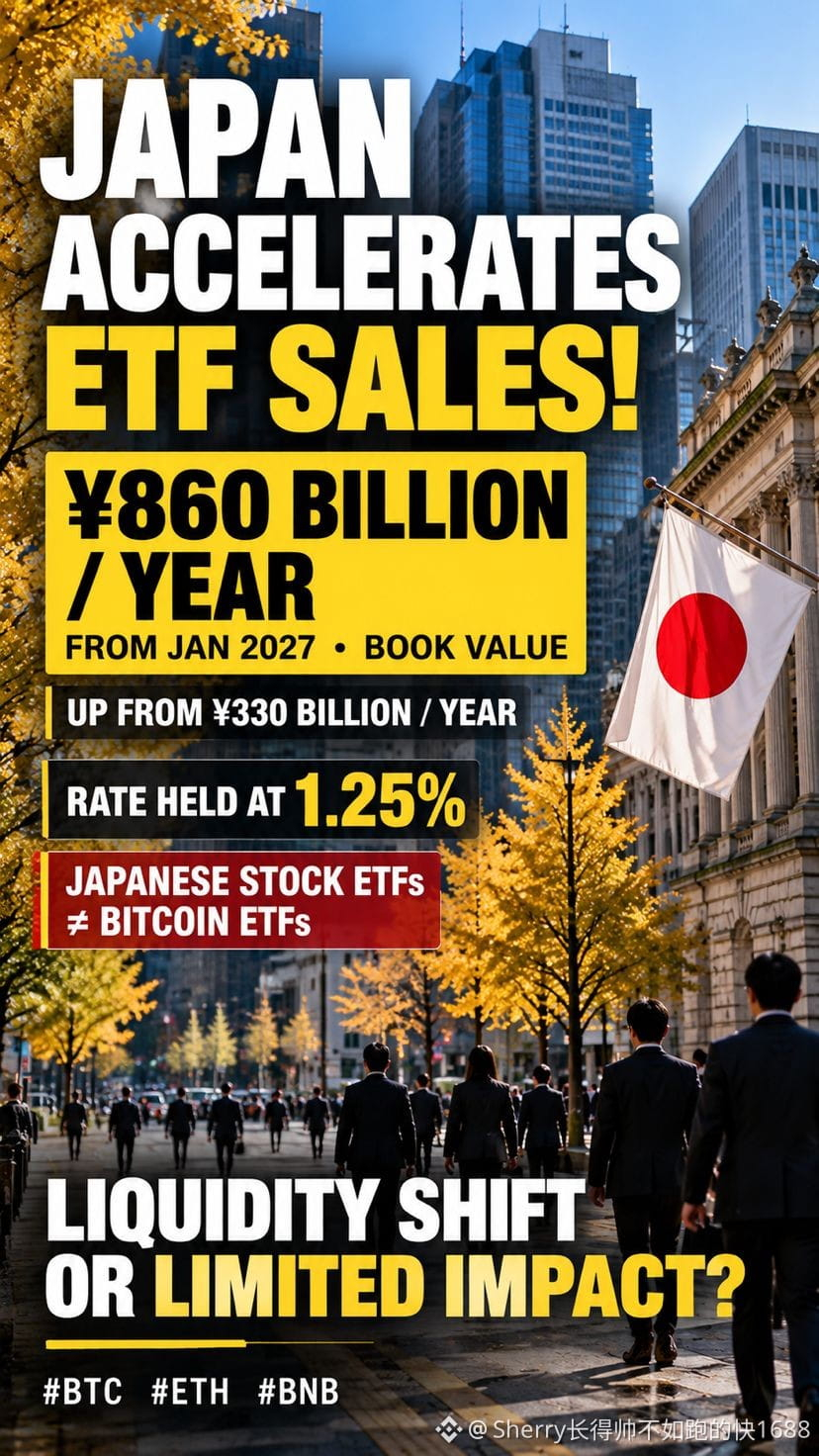
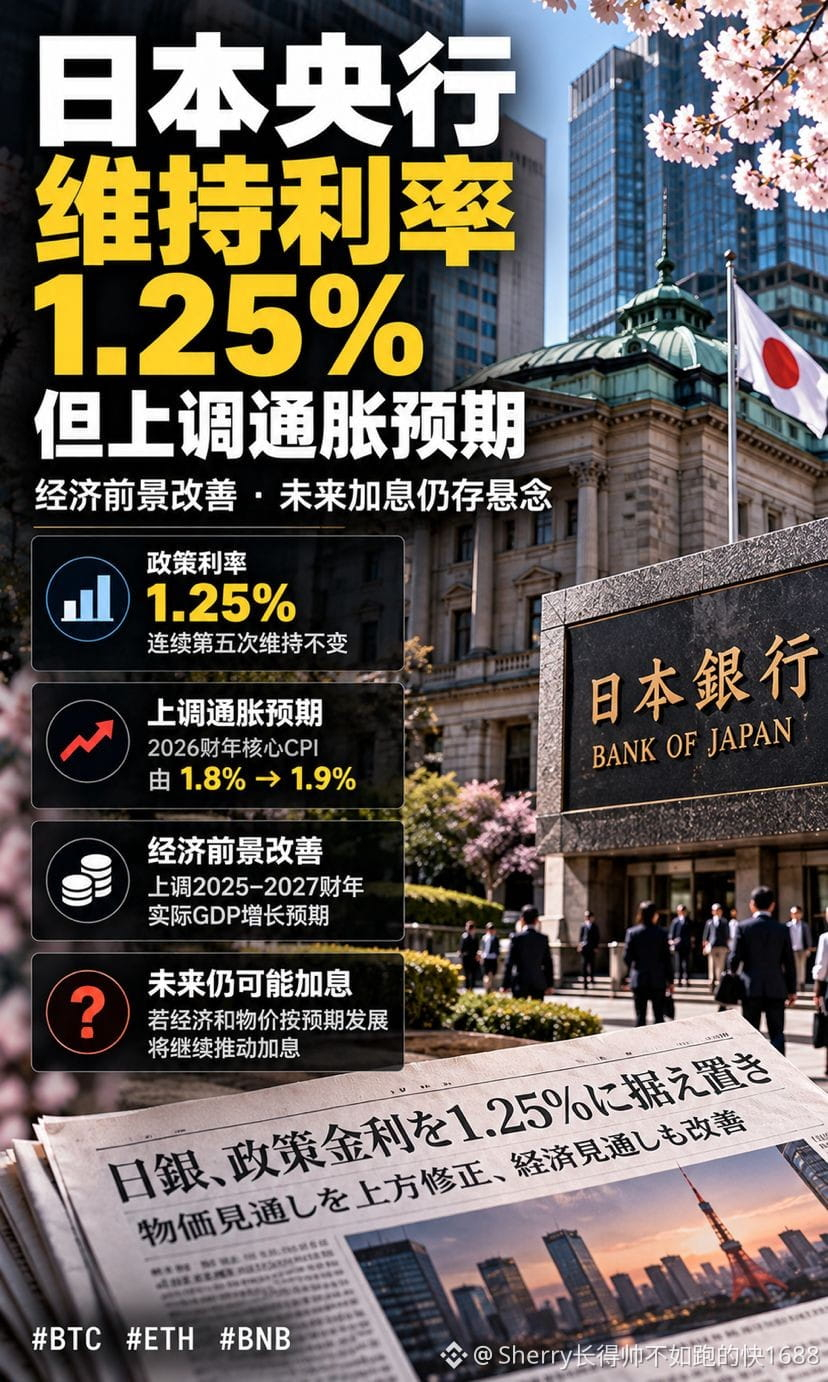
🚨 JAPAN ACCELERATES ETF SALES! ¥860 BILLION A YEAR — A NEW TEST FOR GLOBAL LIQUIDITY?
The Bank of Japan just delivered two important signals on October 30!
🏦 Policy rate held at 1.25% in an 8–1 vote
📉 Annual stock ETF sales will increase from ¥330 billion to ¥860 billion!
📅 The faster pace begins in January 2027
⏳ At the new pace, unwinding the holdings would still take around 43 years, versus the previous estimate of 112 years.
IMPORTANT: These are Japanese equity ETFs held by the BOJ — NOT U.S. spot Bitcoin ETFs!
Why does it matter?
💴 ① Rates remain unchanged, but expectations for further Japanese hikes persist
📊 ② Faster balance-sheet normalization creates a more sustained supply of Japanese equity ETFs
🌍 ③ Yen movements and carry-trade adjustments could influence global risk assets
₿ ④ BTC, ETH and BNB may feel indirect liquidity effects, but BOJ ETF sales do not equal crypto ETF outflows
THE REAL QUESTION:
LIQUIDITY SHIFT OR LIMITED IMPACT?
CORE VARIABLES:
JPY × RATE EXPECTATIONS × GLOBAL LIQUIDITY
What I'm watching:
👀 Governor Kazuo Ueda's press conference
👀 Yen exchange rates and Japanese bond yields
👀 Japanese equity-market reaction
👀 BTC, ETH and BNB capital flows and volume
👀 U.S. spot crypto ETF flows
Not all ETFs are the same!
The BOJ selling Japanese stock ETFs does NOT mean Bitcoin ETFs are being sold.
The real issue is whether Japan's monetary normalization changes global risk appetite!
👇 What's your take?
🟢 LIMITED IMPACT: Gradual sales can be absorbed by markets
🔴 LIQUIDITY RISK: Rate-hike expectations plus asset sales could pressure risk assets
#BTC #ETH #BNB
{spot}(PEPEUSDT)
{spot}(BNBUSDT)
🚨 JAPAN ACCELERATES ETF SALES! ¥860 BILLION A YEAR — A NEW TEST FOR GLOBAL LIQUIDITY?
The Bank of Japan just delivered two important signals on October 30!
🏦 Policy rate held at 1.25% in an 8–1 vote
📉 Annual stock ETF sales will increase from ¥330 billion to ¥860 billion!
📅 The faster pace begins in January 2027
⏳ At the new pace, unwinding the holdings would still take around 43 years, versus the previous estimate of 112 years.
IMPORTANT: These are Japanese equity ETFs held by the BOJ — NOT U.S. spot Bitcoin ETFs!
Why does it matter?
💴 ① Rates remain unchanged, but expectations for further Japanese hikes persist
📊 ② Faster balance-sheet normalization creates a more sustained supply of Japanese equity ETFs
🌍 ③ Yen movements and carry-trade adjustments could influence global risk assets
₿ ④ BTC, ETH and BNB may feel indirect liquidity effects, but BOJ ETF sales do not equal crypto ETF outflows
THE REAL QUESTION:
LIQUIDITY SHIFT OR LIMITED IMPACT?
CORE VARIABLES:
JPY × RATE EXPECTATIONS × GLOBAL LIQUIDITY
What I'm watching:
👀 Governor Kazuo Ueda's press conference
👀 Yen exchange rates and Japanese bond yields
👀 Japanese equity-market reaction
👀 BTC, ETH and BNB capital flows and volume
👀 U.S. spot crypto ETF flows
Not all ETFs are the same!
The BOJ selling Japanese stock ETFs does NOT mean Bitcoin ETFs are being sold.
The real issue is whether Japan's monetary normalization changes global risk appetite!
👇 What's your take?
🟢 LIMITED IMPACT: Gradual sales can be absorbed by markets
🔴 LIQUIDITY RISK: Rate-hike expectations plus asset sales could pressure risk assets
#BTC #ETH #BNB
1.3k
11
95
1.3k
🎙️ Crypto Market Discussion / Newcomer Q&A / Building Binance Square Together 🔥

End
03 h 19 m 51 s
11.4k
22
57

🎙️ Building Binance Square, Holding BNB | What happened? Is this another Black Friday? Let’s talk~

End
04 h 42 m 21 s
13.4k
25
31
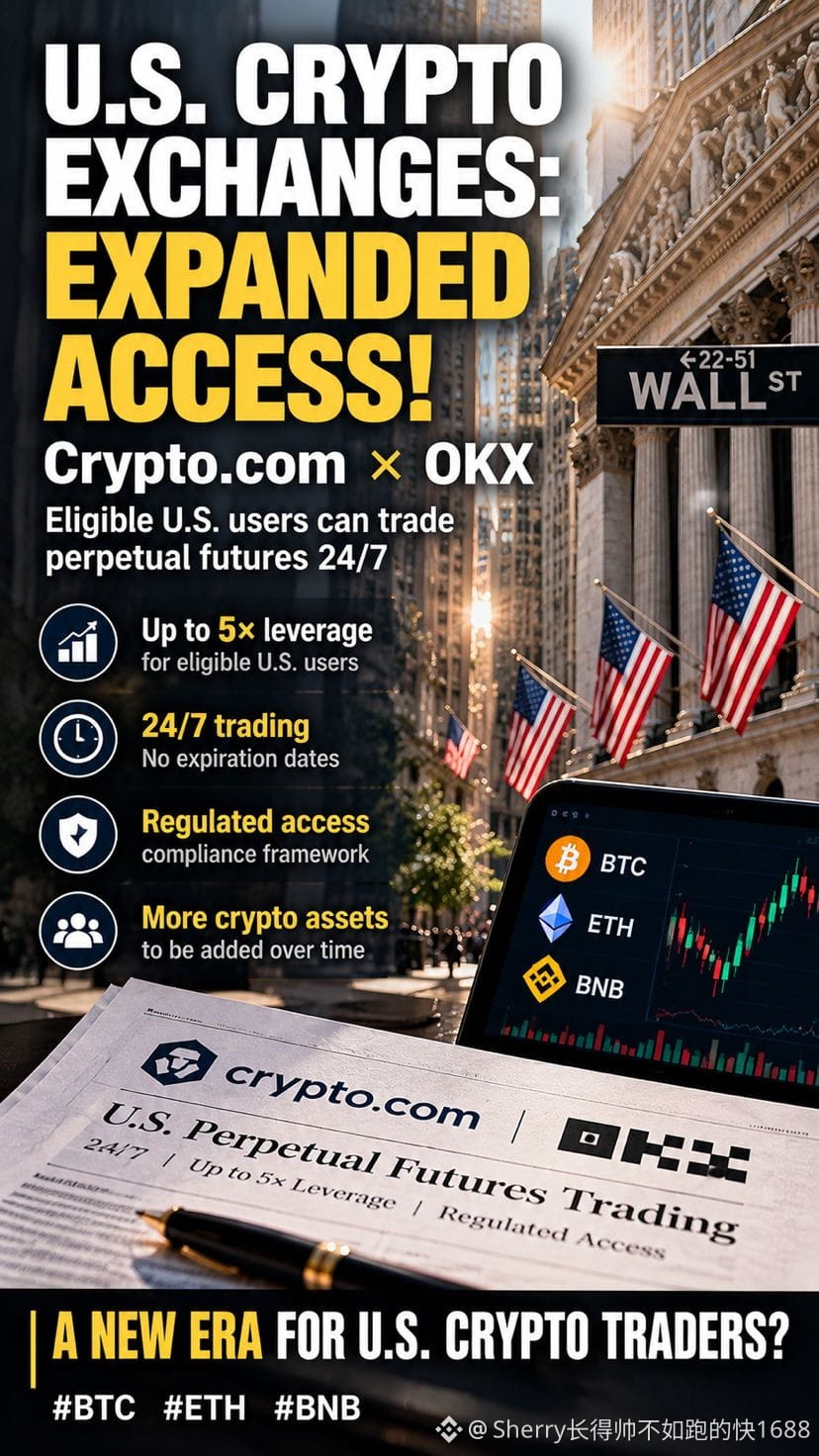
🚨 THE U.S. CRYPTO PERPETUALS MARKET IS QUIETLY CHANGING!
U.S. traders once had relatively limited access to perpetual futures.
Now, regulated trading channels are expanding!
Crypto.com and OG.com launched crypto perpetual futures for eligible U.S. users on October 27.
📌 Up to 5x leverage
📌 24/7 trading
📌 No fixed contract expiration
📌 Trading and clearing through CFTC-regulated infrastructure
Initial supported assets include BTC, ETH, SOL, HYPE, ZEC and SEI.
Why does this matter?
Four important signals 👇
🏦 ① Competition in regulated U.S. crypto derivatives is intensifying
💧 ② More trading venues could redistribute liquidity, without guaranteeing new capital inflows
⚖️ ③ Regulated access does not eliminate leveraged trading risks
₿ ④ BTC and ETH are directly supported; BNB must be assessed separately rather than assumed to benefit
THE REAL QUESTION:
REGULATED GROWTH OR LEVERAGE RISK?
CORE VARIABLES:
REGULATION × LIQUIDITY × RISK CONTROL
What I'm watching:
👀 Trading volume and order-book depth
👀 Fees, funding rates and margin requirements
👀 Further U.S. derivatives regulation
👀 BTC, ETH and BNB capital flows
👀 U.S. inflation data and market risk appetite
Remember!
5x leverage magnifies potential gains AND losses. Even stop-loss tools cannot guarantee protection against liquidation or losses exceeding initial margin.
Real industry progress isn't about offering ever-higher leverage.
It's about transparency, stronger competition and better risk management.
👇 What's your take?
🟢 OPPORTUNITY: Regulated perpetuals will help markets mature
🔴 CAUTION: More leverage may introduce new risks
#BTC #ETH #BNB
{spot}(DOGEUSDT)
{spot}(PEPEUSDT)
{spot}(BNBUSDT)
🚨 THE U.S. CRYPTO PERPETUALS MARKET IS QUIETLY CHANGING!
U.S. traders once had relatively limited access to perpetual futures.
Now, regulated trading channels are expanding!
Crypto.com and OG.com launched crypto perpetual futures for eligible U.S. users on October 27.
📌 Up to 5x leverage
📌 24/7 trading
📌 No fixed contract expiration
📌 Trading and clearing through CFTC-regulated infrastructure
Initial supported assets include BTC, ETH, SOL, HYPE, ZEC and SEI.
Why does this matter?
Four important signals 👇
🏦 ① Competition in regulated U.S. crypto derivatives is intensifying
💧 ② More trading venues could redistribute liquidity, without guaranteeing new capital inflows
⚖️ ③ Regulated access does not eliminate leveraged trading risks
₿ ④ BTC and ETH are directly supported; BNB must be assessed separately rather than assumed to benefit
THE REAL QUESTION:
REGULATED GROWTH OR LEVERAGE RISK?
CORE VARIABLES:
REGULATION × LIQUIDITY × RISK CONTROL
What I'm watching:
👀 Trading volume and order-book depth
👀 Fees, funding rates and margin requirements
👀 Further U.S. derivatives regulation
👀 BTC, ETH and BNB capital flows
👀 U.S. inflation data and market risk appetite
Remember!
5x leverage magnifies potential gains AND losses. Even stop-loss tools cannot guarantee protection against liquidation or losses exceeding initial margin.
Real industry progress isn't about offering ever-higher leverage.
It's about transparency, stronger competition and better risk management.
👇 What's your take?
🟢 OPPORTUNITY: Regulated perpetuals will help markets mature
🔴 CAUTION: More leverage may introduce new risks
#BTC #ETH #BNB
1.1k
19
86
1.1k
🎙️ Crypto Market Discussion / Newcomer Q&A / Build Binance Square Together 🔥

End
03 h 12 m 08 s
10.3k
26
54
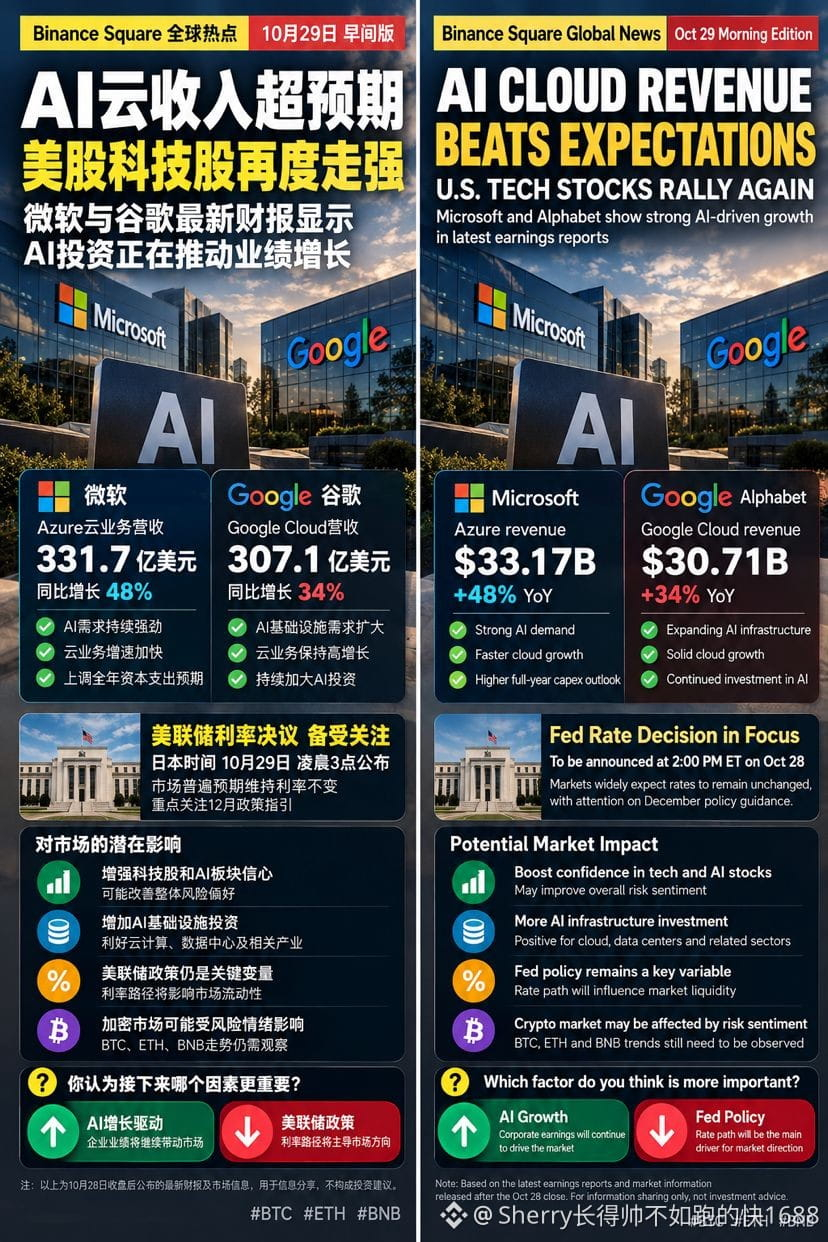
🚨 SAME AI BOOM, VERY DIFFERENT CASH FLOWS!
Microsoft generated $18.6 BILLION in quarterly free cash flow.
Alphabet reported NEGATIVE $9.07 BILLION!
Both cloud businesses are booming. So why are investors reacting so differently?
Latest earnings released October 28:
📊 MICROSOFT
☁️ Azure revenue: $33.17B, up 48% YoY
💰 Quarterly free cash flow: +$18.6B
📊 ALPHABET
☁️ Google Cloud revenue: $30.71B, more than doubled YoY
💸 Quarterly free cash flow: -$9.07B
📉 Shares fell in after-hours trading
Important: These are FREE CASH FLOW figures, not net income.
Four signals matter 👇
🚀 ① AI demand remains strong as cloud revenue expands
💵 ② Investors increasingly want evidence that AI spending generates sustainable cash flow
🏦 ③ The Fed just held rates at 3.75%–4.00%, with two policymakers favoring a hike
₿ ④ BTC, ETH and BNB may respond to tech-sector risk sentiment, but no direct price relationship is guaranteed
THE REAL QUESTION:
AI GROWTH OR CASH FLOW?
CORE VARIABLES:
AI MONETIZATION × CAPITAL SPENDING × FED POLICY
What I'm watching:
👀 Alphabet's future capital spending
👀 Sustainability of Azure growth
👀 Amazon AWS earnings
👀 U.S. PCE inflation and 10-year Treasury yields
👀 BTC, ETH and BNB volume and ETF flows
The AI race is entering a new phase!
It's no longer just about who spends more.
It's about who turns investment into sustainable cash generation.
👇 Which matters more?
🟢 GROWTH: AI expansion comes first
🔴 CASH FLOW: Sustainable cash generation is the real advantage
#BTC #ETH #BNB
{spot}(ETHUSDT)
{spot}(DOGEUSDT)
{spot}(BNBUSDT)
🚨 SAME AI BOOM, VERY DIFFERENT CASH FLOWS!
Microsoft generated $18.6 BILLION in quarterly free cash flow.
Alphabet reported NEGATIVE $9.07 BILLION!
Both cloud businesses are booming. So why are investors reacting so differently?
Latest earnings released October 28:
📊 MICROSOFT
☁️ Azure revenue: $33.17B, up 48% YoY
💰 Quarterly free cash flow: +$18.6B
📊 ALPHABET
☁️ Google Cloud revenue: $30.71B, more than doubled YoY
💸 Quarterly free cash flow: -$9.07B
📉 Shares fell in after-hours trading
Important: These are FREE CASH FLOW figures, not net income.
Four signals matter 👇
🚀 ① AI demand remains strong as cloud revenue expands
💵 ② Investors increasingly want evidence that AI spending generates sustainable cash flow
🏦 ③ The Fed just held rates at 3.75%–4.00%, with two policymakers favoring a hike
₿ ④ BTC, ETH and BNB may respond to tech-sector risk sentiment, but no direct price relationship is guaranteed
THE REAL QUESTION:
AI GROWTH OR CASH FLOW?
CORE VARIABLES:
AI MONETIZATION × CAPITAL SPENDING × FED POLICY
What I'm watching:
👀 Alphabet's future capital spending
👀 Sustainability of Azure growth
👀 Amazon AWS earnings
👀 U.S. PCE inflation and 10-year Treasury yields
👀 BTC, ETH and BNB volume and ETF flows
The AI race is entering a new phase!
It's no longer just about who spends more.
It's about who turns investment into sustainable cash generation.
👇 Which matters more?
🟢 GROWTH: AI expansion comes first
🔴 CASH FLOW: Sustainable cash generation is the real advantage
#BTC #ETH #BNB
703
9
47
1.1k
Log in to explore more content
Join global crypto users on Binance Square
⚡️ Get latest and useful information about crypto.
💬 Trusted by the world’s largest crypto exchange.
👍 Discover real insights from verified creators.
Email / Phone number