

This series covered everything from identifying Bullish/Bearish candles → a candlestick-reading checklist → stop loss → capital management → reading the 4H chart → confluence (candles + zones + DXY) → journaling 10 paper trades → mindset after a losing streak → when to increase volume → weekly reviews to fix one mistake → a sample XAU 4H setup → common beginner mistakes.
This lesson brings it all together in one final checklist.
Only after meeting this checklist should you consider increasing your actual volume (from paper trading or a very small size to the standard risk level of 0.5%–1%).
Increasing volume before you’re ready is a way to turn knowledge into losses even faster.
Final checklist — 10 items to meet
Check off each item. If even one is missing, don’t increase volume.
Recognize standard candlesticks and commonly confused pairs
Tell a Hammer from a Hanging Man, a bullish Engulfing from a bearish Engulfing, and a Morning Star from an Evening Star. Don’t enter just because a “candle looks good.”Use a candlestick checklist before clicking
Trend + location + candle quality + confirmation candle + stop + R:R ≥ 1:2.Place your stop in the right place
Beyond the structure or the signal candle’s wick. Don’t place it based on feelings or move it farther away while in a losing trade.Clear capital management
Risk 0.5%–1% per trade. Set a daily loss limit (e.g., 2%) and a weekly limit. Don’t increase your lot size after a loss.Read the 4H structure
Distinguish Higher High–Higher Low, Lower High–Lower Low, and overlapping-candle/range zones. Don’t enter in the middle of a move.Use three layers of confluence
4H price zone + clear signal candle + DXY not moving against your trade. If one layer is missing, Wait or Skip.Journal at least 10–20 paper trades (or small trades)
Record the full reasons for Enter/Wait/Skip, the main mistake, and the result. Make sure you’ve correctly logged at least a few “Skip” decisions.Complete a weekly review and fix at least one recurring mistake
Know which mistake occurs most often and have a concrete action to reduce it.Control your mindset after a losing streak
Don’t rush trades or increase your lot size. Take a break according to your rules after 2–3 consecutive losing trades.Apply the full process to XAU 4H
From Daily → structure → zone → candle → DXY → stop & R:R → decision. Prefer Skip over entering a bad trade.
All 10 items met → you may consider increasing volume gradually (increase by no more than 25%–50% at a time, then log another 15–20 trades before reviewing again).
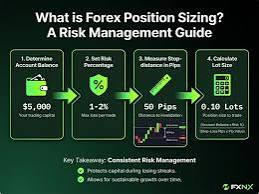
Note: Risk calculation and lot sizing must become habits before increasing volume. They are the foundation of capital management.
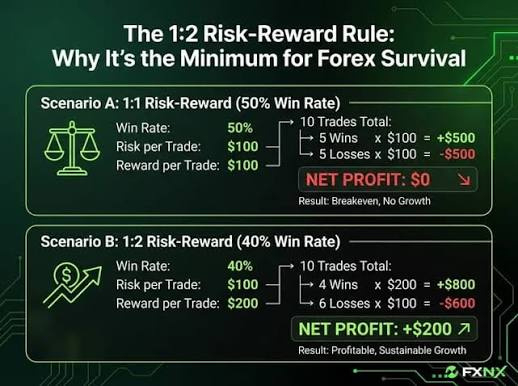
Note: A minimum R:R of 1:2 is essential for survival. You can still be profitable with a low win rate if your R:R is high enough.
How to use this checklist in practice
Print the checklist or keep it beside your screen.
Before thinking about increasing volume, assess each item:
Met / Not met / Need more journal data.
If any item is “Not met,” go back to the relevant lesson in the series to review and practice more on paper.
Example:
Confluence still unclear → revisit the Confluence lesson and journal 5 more times price reaches a zone on XAU + DXY.
Still rushing into trades → tighten your daily rules and add a “Did I want to win it back?” column to your journal.
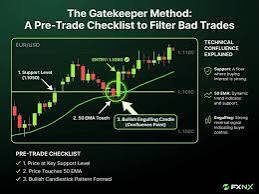
Note: A pre-trade checklist helps filter out poor setups. Use it consistently before increasing volume.
Priority order if you haven’t met everything
If you need to prioritize what to work on before increasing volume:
Keep a complete and honest journal (including trades you skipped).
Don’t break your stop-loss or risk-per-trade rules.
Know when to skip a trade if there’s no zone or DXY is against you.
Use the weekly review to identify one mistake to fix.
The remaining items.
New traders who preserve their accounts usually get the first four items right before working on the rest.
Signs you’re ready to increase volume (quick recap)
A journal of 20+ trades showing positive expectancy, or at least no significant negative expectancy.
Your longest losing streak is within your acceptable limit, and you took a break according to your rules.
You haven’t increased your lot size after a loss during the review period.
You’ve reduced at least one recurring mistake compared with your first 10 trades.
If these signs are present and all 10 checklist items are met → increase gradually.
If not, continue at your current size or practice on paper.
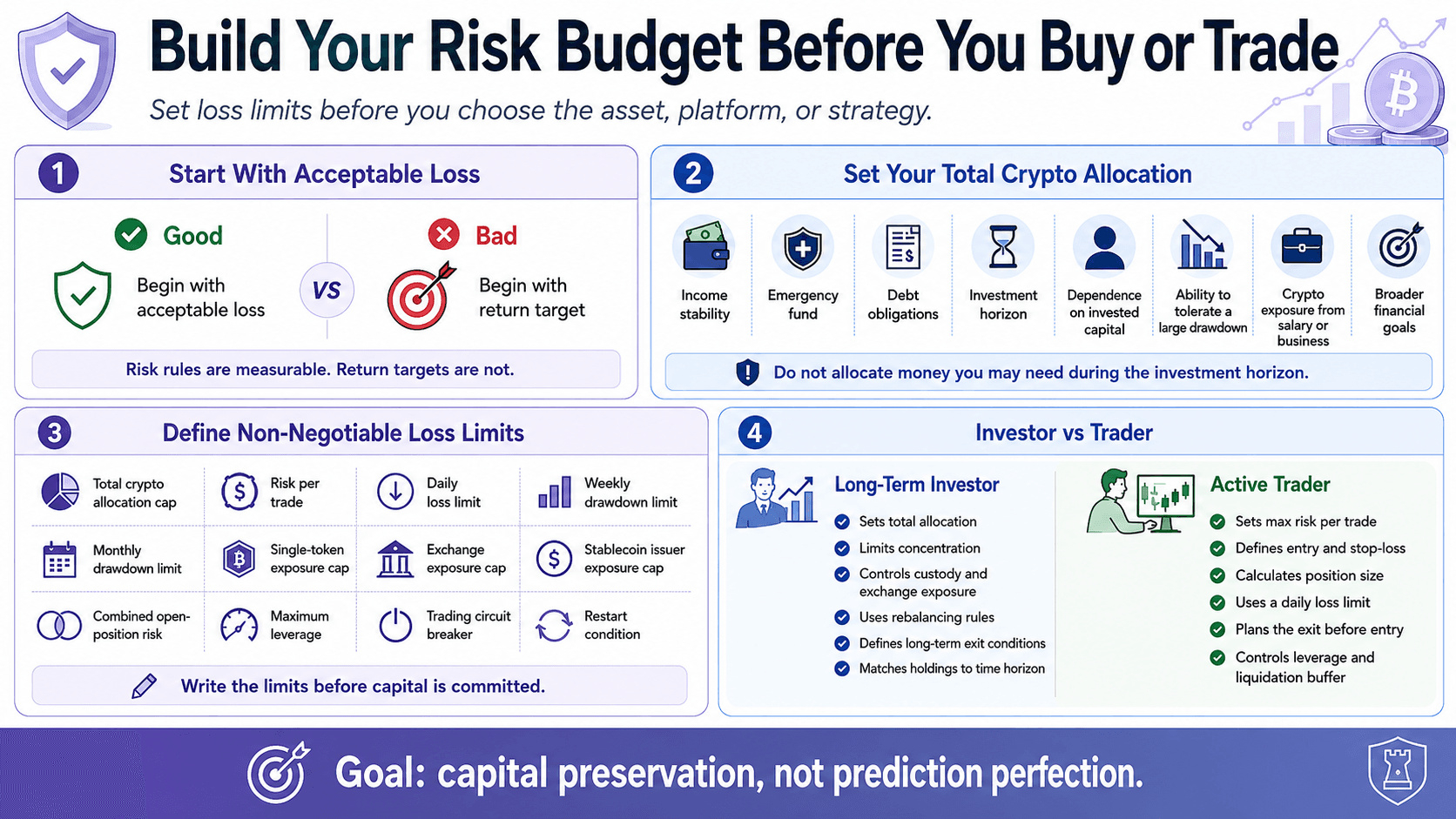
Note: Set your risk budget and loss limits before increasing volume. Protecting capital comes before pursuing profits.
Practical exercise
Open your current journal.
Mark each of the 10 checklist items above: Met / Not met.
Choose the 1–2 most important items marked “Not met.”
Write a plan for your next 10 trades focused only on improving those items.
After 10 trades, review the checklist again.
Only consider increasing your actual trading volume when all 10 items are “Met” or close to it.
CONCLUSION
This series isn’t meant to help you place more trades.
It’s meant to help you place fewer trades for clearer reasons, and to know when to stop if the conditions aren’t right.
This final checklist is a filter to use before exposing more real money to risk.
Meeting these criteria doesn’t guarantee that every trade will win.
But it greatly reduces the chances of breaking your rules and taking unnecessary losses—the things that make most small accounts disappear.
How many of the 10 items have you met? Comment with the number you’ve met and the one you feel weakest on, and I’ll suggest how to strengthen it.
BRIAN TRUONG