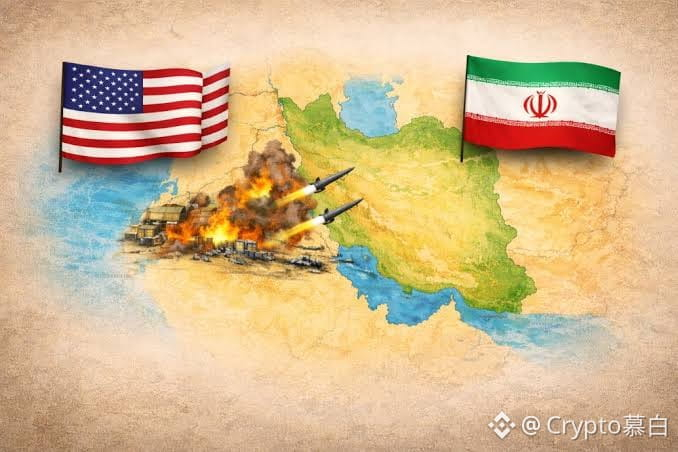
U.S.-Iran talks take a dramatic turn, with signs of a breakthrough.
The election changes the landscape, and Trump wants to wrap things up;
Iran puts the nuclear issue on the table, but first lays out seven conditions. Will “studying” turn into “signing”?
In the U.S. midterm elections, Democrats swept both houses of Congress, and Trump entered a lame-duck period. The Iran war, inflation, and the cost of living became central election issues.
Trump acknowledged that the Iran war had affected the election results, but still insisted that military action was necessary. Democrats will now step up investigations and oversight of the Trump administration, and revisit its tariff, healthcare, and war policies.
Diplomats say the U.S. and Iran are nearing a breakthrough toward ending the war. Iran is willing to discuss its nuclear program, which it had long avoided, and is studying a Qatari proposal.
But Iran has set seven conditions: lifting the blockade of its ports, easing sanctions, releasing frozen assets, and more. It says these must be met before talks can continue. Trump says a deal may be within reach, but military operations are ongoing and risks in the Strait of Hormuz remain unresolved.
In late October, Qatar held 12 hours of marathon talks in Tehran. The negotiations then moved to Doha and continued; now Tehran is studying the Qatari proposal.
Earlier talks had stalled over the Strait of Hormuz and the implementation of a ceasefire. Now Iran has put its long-avoided nuclear program on the table, bringing a substantive shift in the balance of leverage. Trump’s call with Qatar’s leader around the same time suggests Doha is becoming an actual channel for negotiations, not just a messenger.
This runs counter to September’s assessment that things looked bleak before the election and might escalate afterward. But with the interim peace deal collapsing in June and Trump declaring in July that the ceasefire was “over,” the current effort looks more like an attempt to limit the damage after the election than a final settlement.
The key thing to watch is this: If nuclear activities are included in the Qatari proposal, the focus of negotiations could shift from military de-escalation in the Strait to nuclear constraints. Whether “studying the proposal” can turn into a written commitment is the next milestone.
#美伊局势再生变,避险需求会否升温?