Study Notes | Nodes and Validators
① After “The Merge,” running an Ethereum node requires running two software clients: an execution layer client and a consensus layer client.
② An archive node stores the complete state data corresponding to every historical block in addition to what a full node stores, and requires far more disk space than a full node.
③ When a wallet connects to a third-party node (RPC), the data it shows depends on that node. For large transfers, it’s worth double-checking on a block explorer.
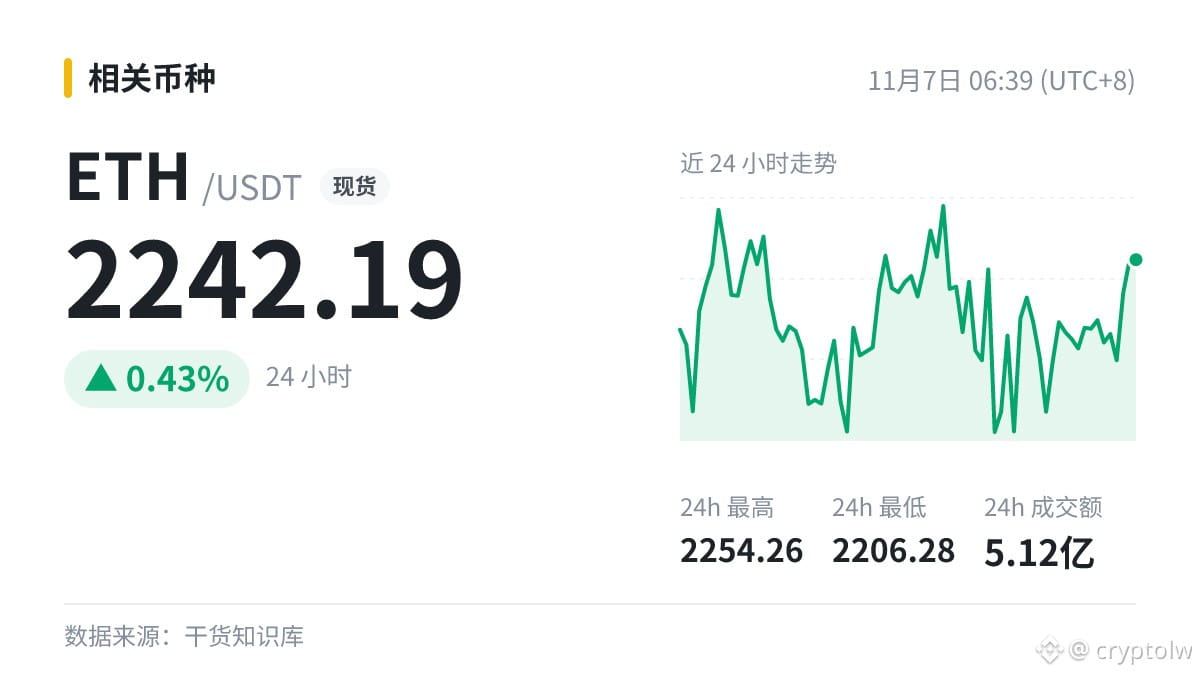
$ETH 2242.19 (+0.43%)
#ETH