
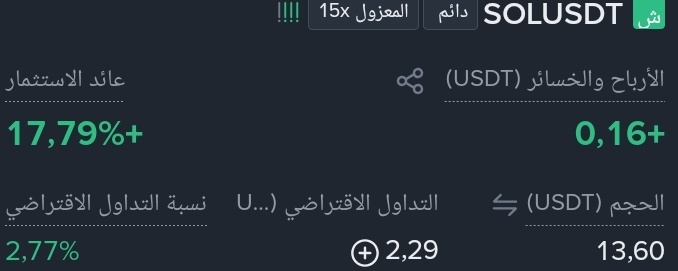

Risk per trade: Do not risk more than 1% to 2% of your total account capital on a single trade
Leverage: Use low to moderate leverage (3x to 10x maximum) to keep the liquidation price from getting too close to the entry price.
Always place a stop-loss order: Set your exit point before entering the trade, and do not move it farther away while the price is falling.
2. Trading plan before entering any trade
Technical analysis
Determine the overall trend on higher timeframes (4-hour or daily)
Look for strong support and resistance zones or established price patterns
Calculate the risk-to-reward ratio (Risk-to-Reward Ratio)
Require a ratio of at least 1:2 (meaning the target should be twice the risk).
Determine the liquidation price:
Make sure the liquidation price is sufficiently far from your stop-loss order
3. Steps to execute a trade
Margin type: Prefer Isolated Margin to limit losses to the value of the trade and avoid drawing on the rest of the account balance.
Take-Profit: Divide your targets into two or three levels (for example: close 50% at the first target and move the stop-loss to the entry point).
4. Evaluation and review
Trading journal: Record every trade (entry price, targets, reason for exiting, and outcome) to identify the strengths and weaknesses of your strategy.
Emotional control: Avoid revenge trading after a loss, and stick to your daily plan without increasing your position size.
##Trading_Strategy #Capital_Management #Stop_Loss #Take_Profit #Successful_Trading