Manage your position well. Don’t trade short-term.
Seven years of teaching myself to trade, with plenty of setbacks along the way—these are hard-won words of wisdom from after I went bankrupt.
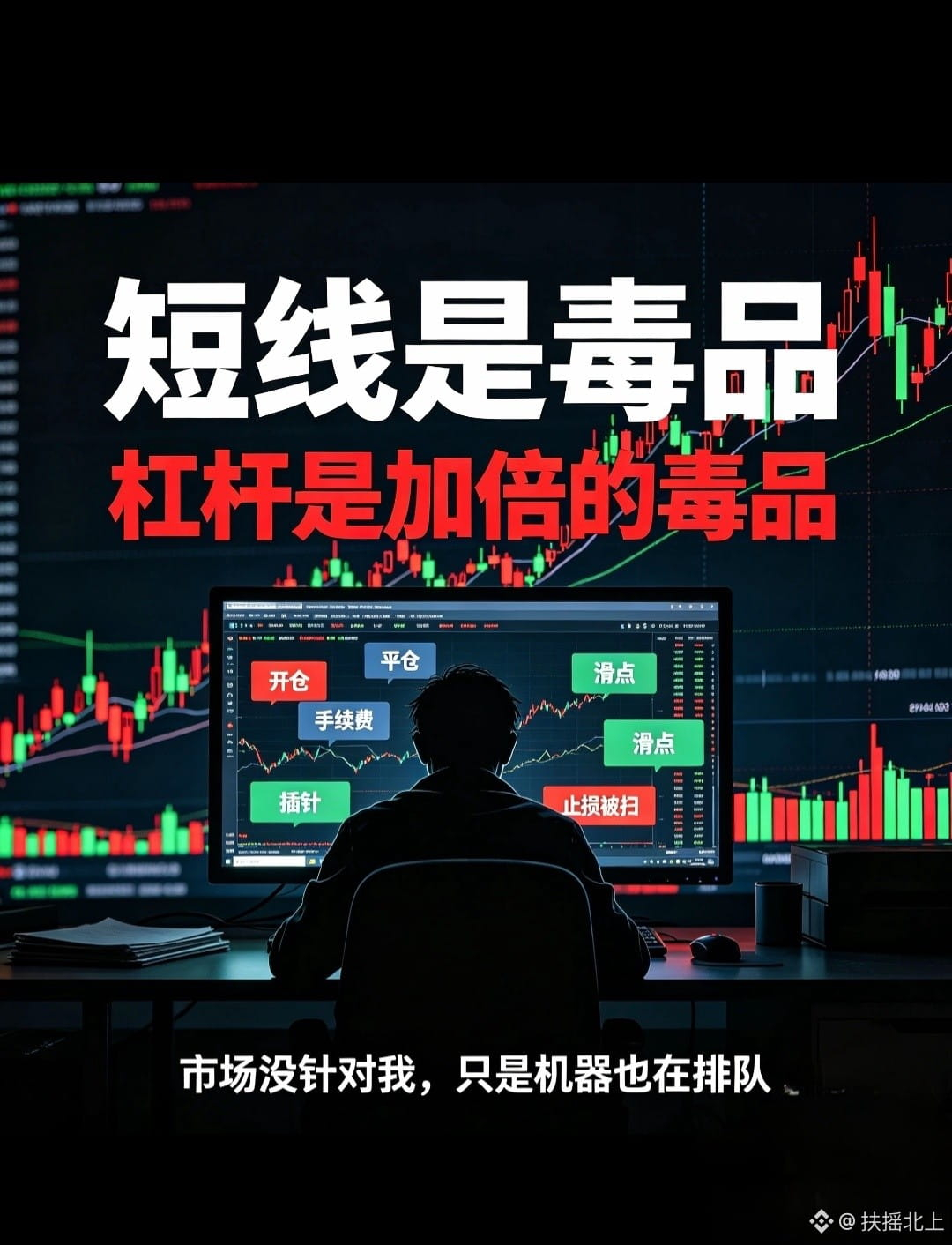
Short-term trading is like a drug, and leverage is the most potent one of all.
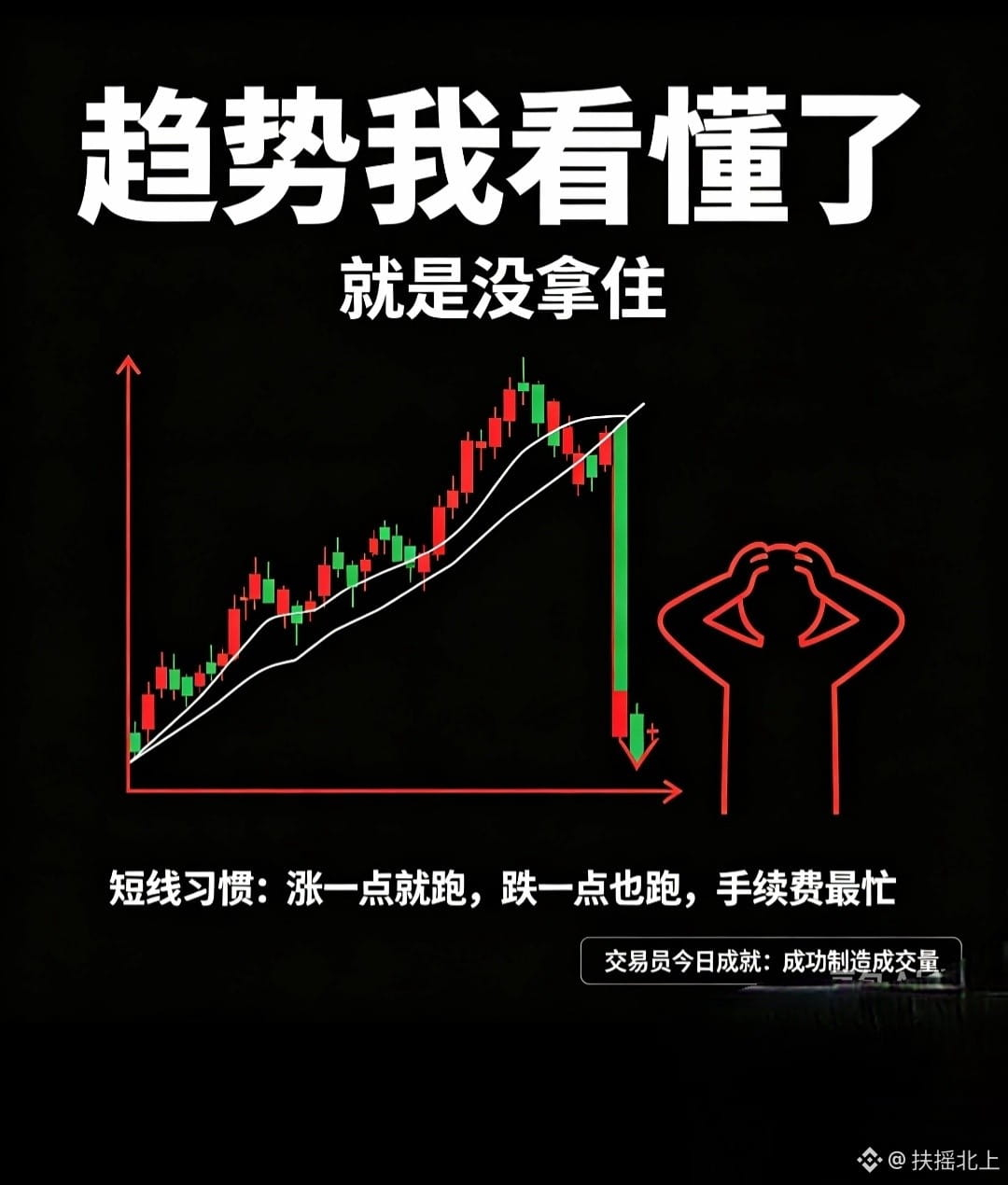
It’s hard to hold onto a position when you trade short-term. You keep your eyes glued to the 1-minute and 5-minute candlestick charts. The trend has only just begun, and a slight pullback is enough to make you rush to take profit or cut your losses. You should have captured a big move, but end up with only scraps of profit.
Short-term profits are pieced together trade by trade, with almost no room for error. A few consecutive losing trades, and fees, slippage, price wicks, and market makers’ stop hunts steadily eat away at your capital. One big loss can wipe out all the unrealized gains you worked so hard to make.
The hardest part of trend trading has never been predicting the direction—it’s holding on.
You have to weather volatility, floating losses, and repeated shakeouts. Once you’re deeply attached to short-term trading, the slightest market wobble makes you want to exit. No matter how good the move is, you won’t be able to hold on to it.
Don’t challenge probability. Don’t fight the mathematical expectation.
Some people do make money trading short-term, but the bar is extremely high for ordinary traders. You need to watch the market for long hours, react quickly, stay emotionally steady, and take on quantitative trading bots. For the vast majority of self-taught retail traders, combining short-term trading with leverage has a negative expected return over the long run. Once you get hooked, you keep adding capital and sink deeper and deeper.
The market is full of opportunities, but most are just tempting traps.
If you can avoid making trading your livelihood, do your best to stay out of it. Stay away from high leverage, lengthen your trading time frame, and let go of the fantasy of making quick money. Patiently wait for major opportunities. It’s better to trade less than to keep opening positions.
After seven years of going around in circles, few have come to their senses.
After losing money, many people still think they just haven’t mastered short-term trading, so they keep refining their techniques and chasing quick money.
As long as your capital remains intact, opportunities will come your way.