What do full nodes, light clients, and validators each do?
After the “Merge,” running an Ethereum node requires running two pieces of software: an execution layer client and a consensus layer client.
Light clients download only block headers. When they need data for a particular transaction, they request it and a Merkle proof from a full node.
The most important thing to remember when managing funds: if your wallet connects to a third-party node (RPC), the data you see depends on that node. For large transfers, it’s worth verifying the details again on a block explorer.
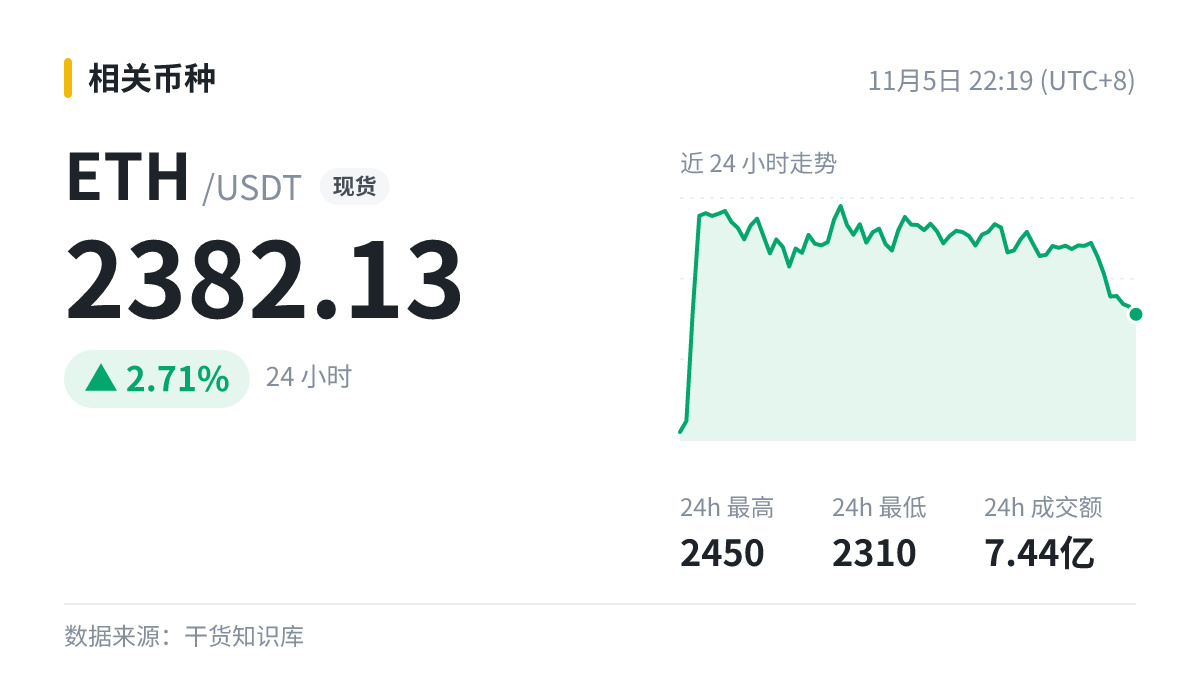
$ETH 2382.13 (+2.71%)