Ethereum is advancing its technical evolution while bypassing the hard-fork process, relying on modular collaboration rather than the traditional governance mechanism led by all-core developers. Hard-fork cycles driven by All Core Developers (ACD) have long been a major bottleneck for upgrading the protocol’s underlying rules, but recent breakthroughs in the composability of peripheral infrastructure are changing that dynamic.
Progress is taking shape in several areas. Paradigm has introduced Solar, a Rust-based Solidity compiler that can reduce contract deployment and execution costs by up to 35%. Rollup X, the Ethereum Economic Zone (EEZ) testnet, has demonstrated cross-layer atomic settlement between L2 signatures and L1 spot markets, and supports post-quantum signature verification. The public test version of the FCR rules has cut L2 deposit confirmation times to 13 seconds. In addition, the open format of the evm.fast challenge has established formal mathematical bounds for block proofs under worst-case conditions.
If assembled, these modules could theoretically enable a lending market deployed on a Rollup: during liquidation, collateral could be sold directly into L1 mainnet spot pools; user friction and gas fees would fall significantly; funds would arrive almost instantly; and the Rollup could still submit state proofs to mainnet every 12 seconds, even under the most severe network congestion. This ideal system has yet to be fully realized, but it is closer to reality than it was a month ago.
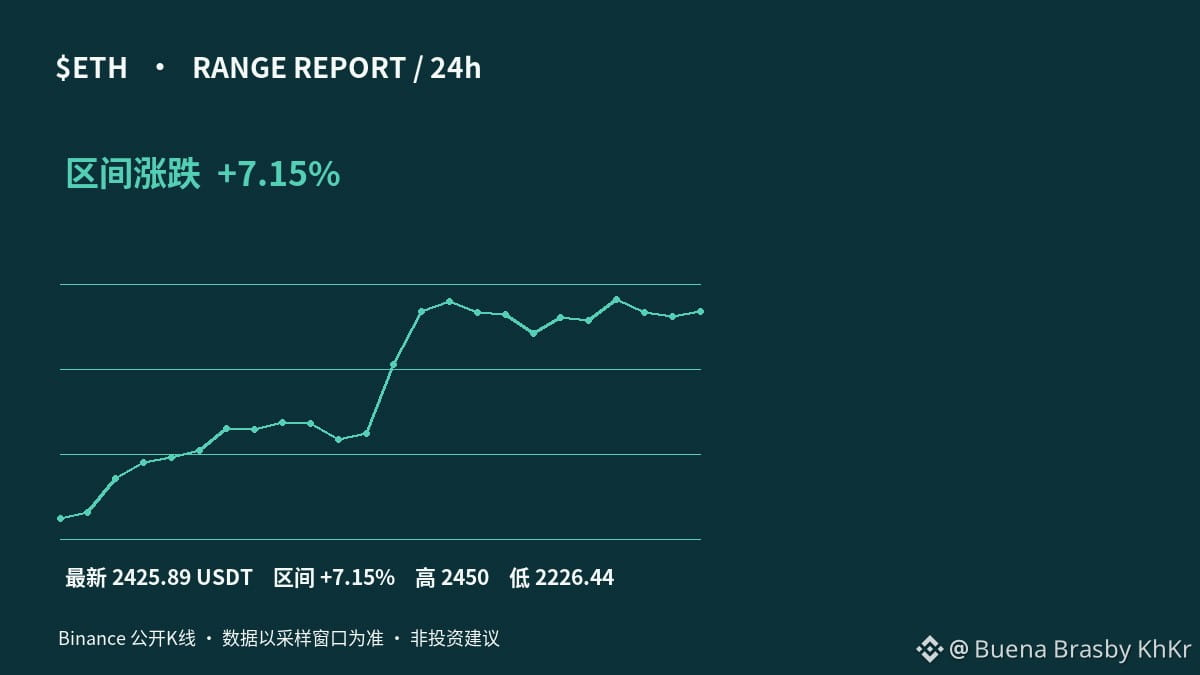
$ETH