📰 Why are metal tokens going physical with copper? What’s the point of a token backed by 25,000 pieces of physical copper?
Metals.io has gone all-in on physical backing and tokenization for copper, issuing 25,000 tokens. It sounds like ordinary people might now be able to invest in commodities. For everyday crypto users, this means one more option tied to a physical asset. For the market, it’s another step forward for commodity tokenization—but it remains to be seen whether this step is on solid ground.
Why does this news matter?
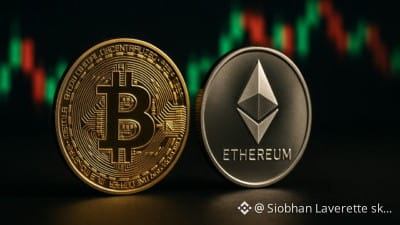
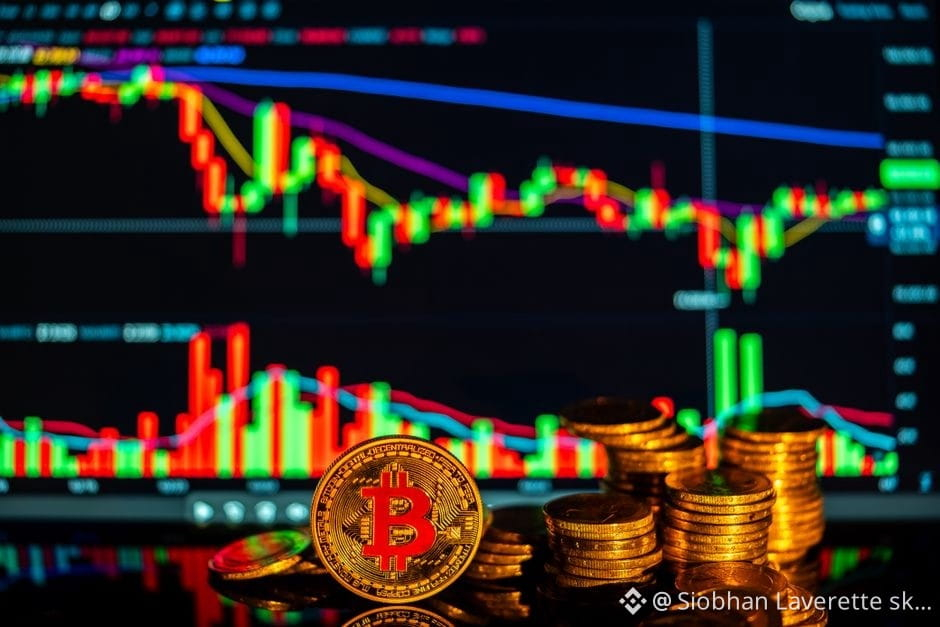
The underlying reason is that the crypto market lacks a reliable physical anchor. Look at BTC and ETH at $76.7K/$2.25K: volatility is through the roof, and everyone is guessing what comes next. But if you really want to invest in physical commodities, you have to turn to futures or open a bank account. Metals.io’s copper token aims to lower that barrier—you don’t have to stand by a smelter keeping watch; you can access it from your phone. This reflects demand for digitization in commodity markets, as well as crypto’s ambition to become “big money.”
Its impact on the market landscape is playing out along two lines. First, it gives the DApp sector a new template. Could “physical gold tokens” and “physical oil tokens” follow suit? Second, regulators may pay more attention to these products. After all, physical backing sounds a bit more solid than an NFT backed by nothing. As for related developments, NFT tokenization has taken a lot of flak lately. Now that a physically backed product has appeared, could this be an attempt to sidestep that pitfall?
Impact on the market
In the short term, this won’t directly move BTC or ETH prices, because copper is barely correlated with crypto. But if you believe crypto can become a store of value, this kind of experiment linking tokens to physical assets is worth watching. As for fund flows, it could bring some money into crypto from people who already invest in commodities but find it a hassle. However, hedge funds will most likely stick with futures and options. For a historical reference, physical-asset ETFs emerged before the 2008 financial crisis, but the costs of storing and managing the physical assets later proved to be a pitfall.
Trading outlook
📈 The case for physically backed tokens is compelling, but they’re unlikely to be crypto’s “killer app.” If more asset classes—such as gold and oil—follow suit, and tokenization really does cost less than trading physical commodities, then there could be an opportunity. If this is just a passing fad, or if physical storage costs turn out to be exorbitant, it will probably make little impact. If the broader crypto market sentiment level of $75K is breached to the downside, this thesis is in trouble.
💡 This article was not sponsored by any project, and the author does not hold any of the assets mentioned.
$BTC $ETH #BTC #ETH
⚠️ This is not investment advice. Forecasts are for reference only.