

⏱ Reading time: 4 minutes
Category: Risk Systems Analysis / Political Order Flow
The results of the U.S. midterm elections clearly showed that politics is just like a derivatives market, where market makers periodically dump the crowd’s accumulated long positions and force retail traders to recalculate their losses.
The shift in the balance of power in Congress, historic breaks through resistance levels in key states, and preparations for investigations into family crypto assets are not a “triumph of democracy,” but a routine change in institutional control over order flows.
Let’s examine the mechanics of what’s happening through the lens of Order Flow and risk.
1. Agenda takeover and short squeeze in Texas
The historic takeover of the initiative in traditionally “red” areas (including a break through long-established ranges in Texas) is, by nature, reminiscent of a classic liquidation squeeze.
Crowd mechanics: Retail spent years pricing in the unconditional immunity of conservative states, building a giant pool of illiquid hopes.
Institutional response: A massive financial injection and the targeted takeover of information channels made it possible to trigger opponents’ stops at the peak of their confidence. The market has once again proven: reliable, obvious patterns don’t work when big money is on the table.
2. The “VETO” cap: A protective limit on the political order book
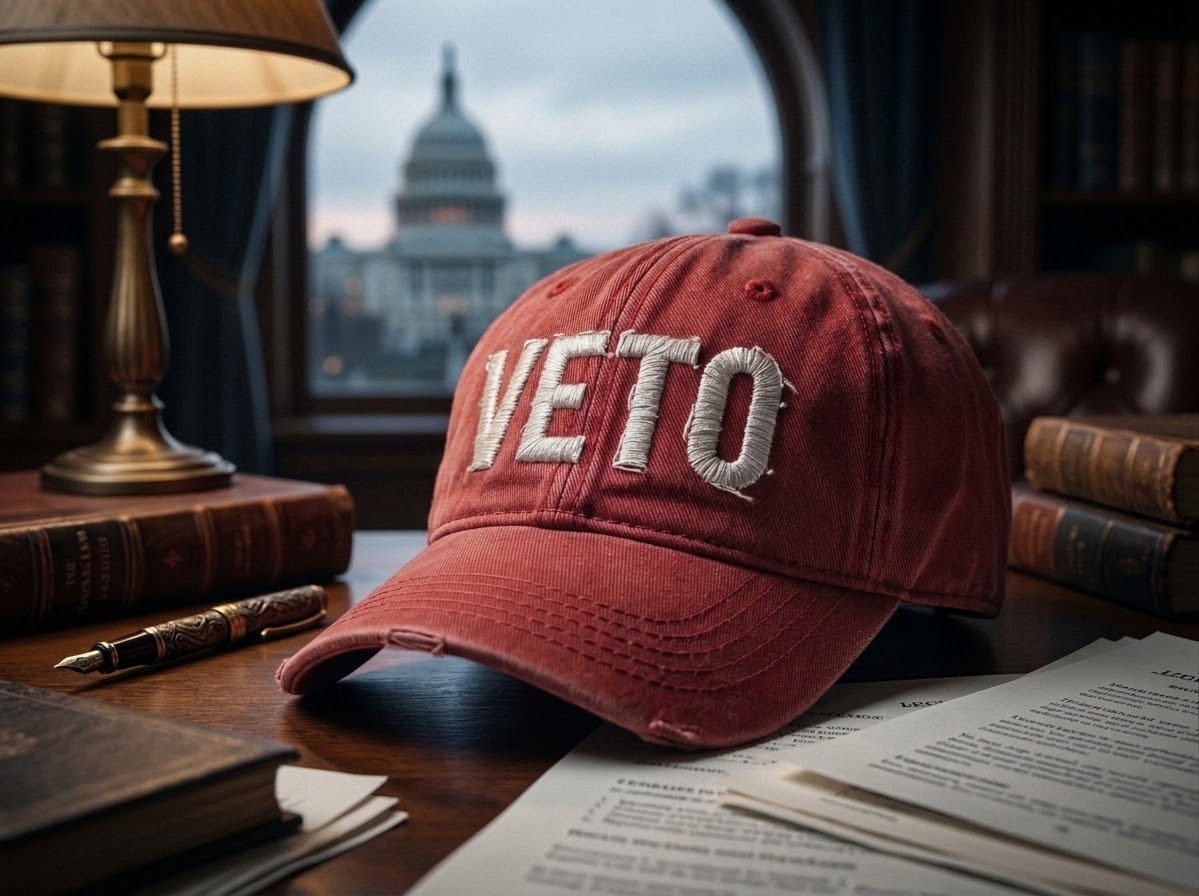
Trump’s appearance before the press in a bright red cap bearing the concise inscription “VETO” is more than just a public performance. In exchange terminology, it’s the placement of an impenetrable wall of SELL limit orders in the path of any incoming bill.
The “Mr. Veto” position is utterly pragmatic:
Democrats gain formal control of the committees, but run into the president’s blocking order.
A prolonged period of sideways movement and political dealmaking begins, in which every win by opponents will be bought back with enormous slippage.
3. Family memecoins: The hunt for private keys
The main lever of pressure being prepared is not economic reform, but an institutional audit of digital gateways. Initiatives to investigate payments linked to memecoins and family crypto projects ($TRUMP, WLFI) amount to an attempt to block liquidity at the level of regulatory protocols.
The investigation’s aim: Shift attention from macroeconomic problems to specific conflicts of interest and block operating accounts.
Harsh reality: In crypto, trying to regulate memecoins after the fact always looks like trying to catch up with a blockchain that’s already moving on. Some of the liquidity from these tokens has already been distributed across smart contracts, and retail, as usual, is left holding depreciated tokens bought at the very top.

Bottom line: BULL STANDARD
Political cycles change, but the laws of capital allocation remain immutable.
Everyone is talking about flashy caps and emotional statements, while big money is reassessing risk portfolios and placing protective orders. Ahead lies a period of high volatility, legal battles, and aggressive attempts to block other people’s profits.
Keep your stops tight, don’t give in to the emotional noise, and remember: in this game, anyone with enough capital to hold a level has veto power.
⚠️ Disclaimer: Analytical material. Not individualized financial or political advice (DYOR).
🛡 BULL STANDARD — the mathematics of power and capital instead of political illusions.
#BULLSTANDARD #Midterms2026 #OrderFlow #RiskManagement #CryptoAudit