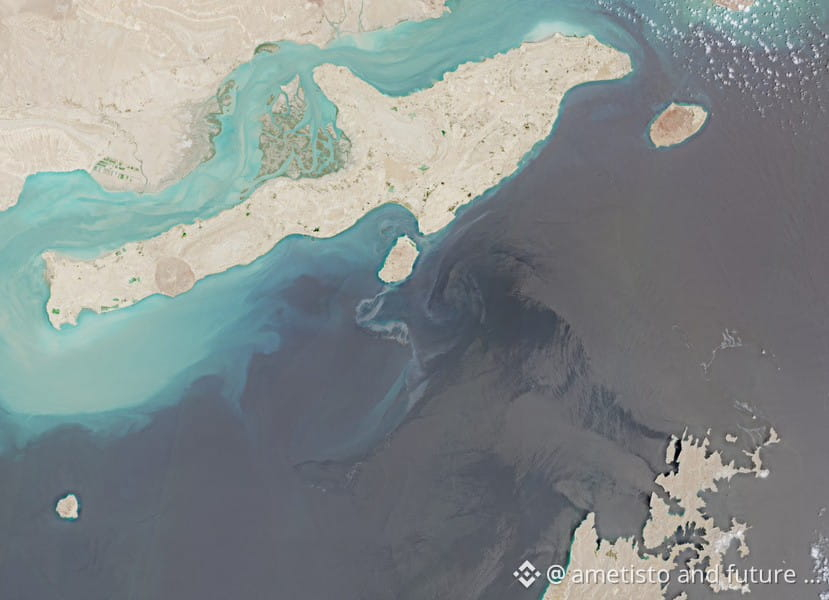
🇺🇸🇮🇷 U.S. ATTACK IRANIAN ISLAND OF QESHM AS TRUMP DOWNPLAYS RISKS OF A NEW WAR
The United States carried out military strikes against the Iranian island of Qeshm, in the Strait of Hormuz, on Monday, November 2, in an operation that is part of a series of limited offensives Washington has quietly maintained in recent weeks.
According to U.S. officials interviewed by The Wall Street Journal, the strikes were defensive in nature and aimed to neutralize Iranian threats to commercial shipping and U.S. forces. During the incidents, Iran’s Revolutionary Guard fired a missile at a U.S. fighter jet, which returned fire, while another missile launched from Qeshm toward commercial vessels was intercepted. The island is strategically important because it houses military facilities, a naval base, and underground missile launch sites, and is located at the entrance to one of the world’s most important shipping routes.
The incident highlights the contradiction between Donald Trump’s diplomatic rhetoric and the military reality on the ground. While the president claims the United States has already won the war and downplays the possibility of new large-scale clashes, his administration continues to assess military options, including broader attacks on Iranian facilities.
The White House is also maintaining economic pressure and a commercial blockade as negotiating tools, while Tehran insists that any agreement depends on Washington and threatens to respond to any new offensive. The Strait of Hormuz, through which a significant share of the world’s oil passes, remains at the center of the crisis: an escalation could disrupt international trade, drive up energy prices, and increase regional instability. The big question is whether military pressure will produce a diplomatic agreement or whether the limited strikes will end up triggering a new phase of the conflict.