
链上格格巫
9k Posts

链上格格巫
 Square Verified+
Report
Block User
币安原生博主|项目投研|坚定持有BNB|蓝鸟会核心成员|所有内容仅代表个人观点,不构成投资建议DYOR🔮
158 Following
53.8K+ Followers
71.3K+ Liked
Posts
Portfolio
All
Quotes
Videos
Live
PINNED
·
--
Partly True

Article
Oil prices soar, gold prices plummet: Understanding the logic behind this 'abnormal' situation will help you know what your wallet is experiencingRecently, a thought-provoking scene has emerged in the global financial markets: gold plummets, oil surges.
On one hand, the king of commodities, crude oil prices are rising sharply, while on the other hand, traditional safe-haven asset gold is facing a wave of selling. These two types of assets are usually seen as barometers of inflation expectations, but now they are showing almost completely opposite trends. What macro logic is hidden behind this? And for ordinary people like us, how will this round of 'oil rising and gold falling' changes penetrate the macro economy and ultimately reflect on our daily life accounts?
When 'anti-inflation' assets encounter 'anti-inflation' tools
Oil prices soar, gold prices plummet: Understanding the logic behind this 'abnormal' situation will help you know what your wallet is experiencing
Recently, a thought-provoking scene has emerged in the global financial markets: gold plummets, oil surges.
On one hand, the king of commodities, crude oil prices are rising sharply, while on the other hand, traditional safe-haven asset gold is facing a wave of selling. These two types of assets are usually seen as barometers of inflation expectations, but now they are showing almost completely opposite trends. What macro logic is hidden behind this? And for ordinary people like us, how will this round of 'oil rising and gold falling' changes penetrate the macro economy and ultimately reflect on our daily life accounts?
When 'anti-inflation' assets encounter 'anti-inflation' tools
20
7
164
44.3k
·
--
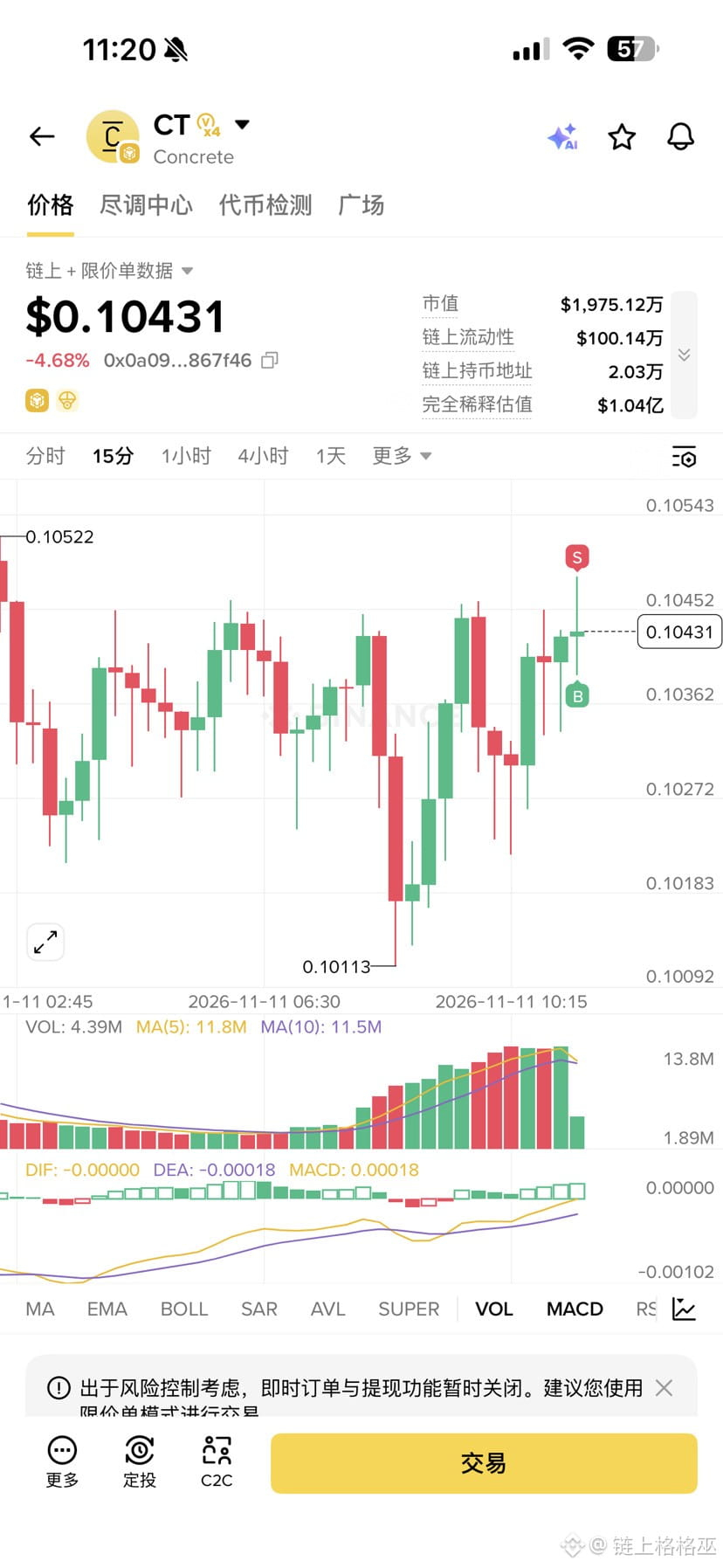
$CT
Today's trading volume: 30k
Losses: $2.94… a bit brutal…
Ugh… it's been spinning its wheels for so long…
Will there be any surprises over the next couple of days? 🧐🧐🧐
$CT
Today's trading volume: 30k
Losses: $2.94… a bit brutal…
Ugh… it's been spinning its wheels for so long…
Will there be any surprises over the next couple of days? 🧐🧐🧐
Today's trading volume: 30k
Losses: $2.94… a bit brutal…
Ugh… it's been spinning its wheels for so long…
Will there be any surprises over the next couple of days? 🧐🧐🧐
4
3
1.6k
·
--
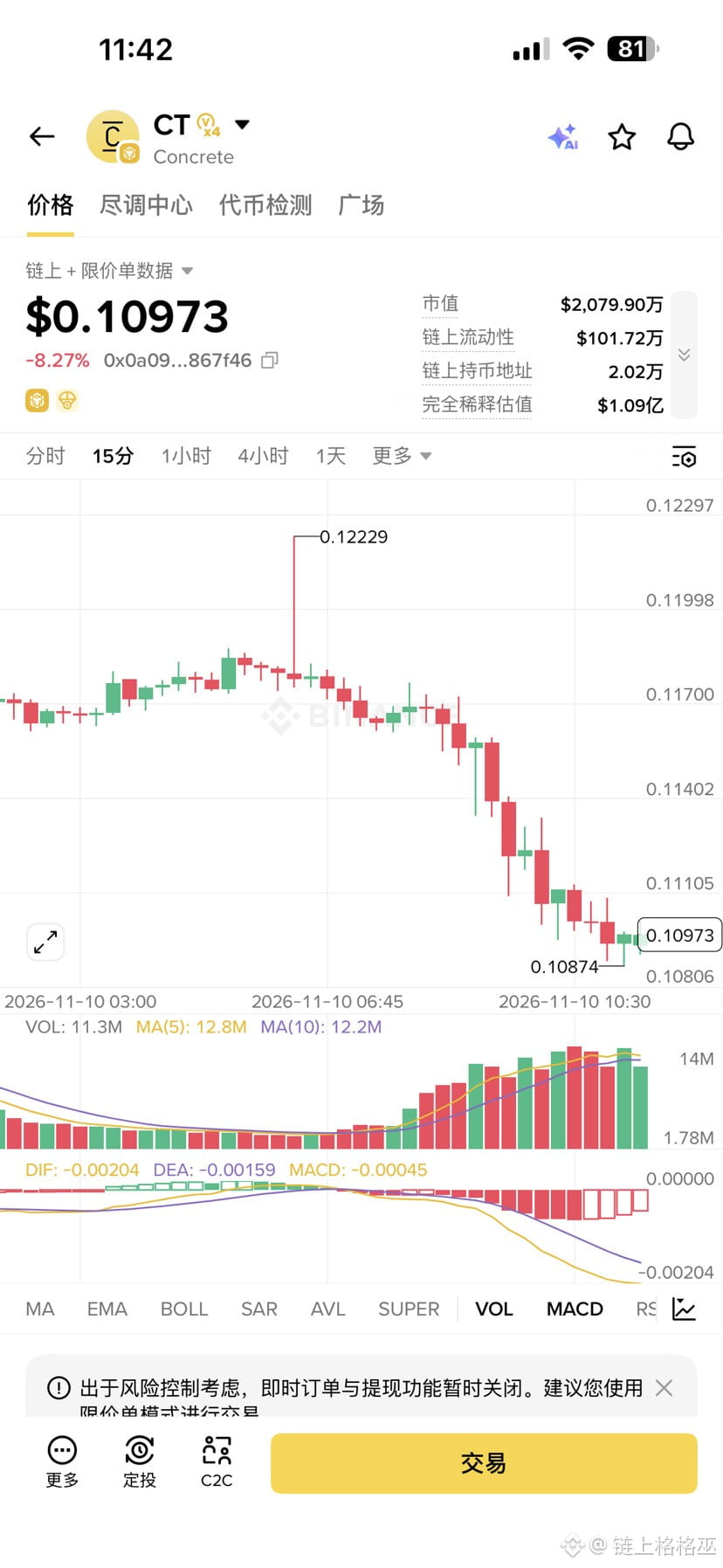
$CT
Still at 14 points today
Losses of $0.77~
#alpha has been warming up a bit these past couple of days
Waiting for some good news 🧐🧐
How are things going for you today…
$CT
Still at 14 points today
Losses of $0.77~
#alpha has been warming up a bit these past couple of days
Waiting for some good news 🧐🧐
How are things going for you today…
Still at 14 points today
Losses of $0.77~
#alpha has been warming up a bit these past couple of days
Waiting for some good news 🧐🧐
How are things going for you today…
1
11
2.1k
·
--
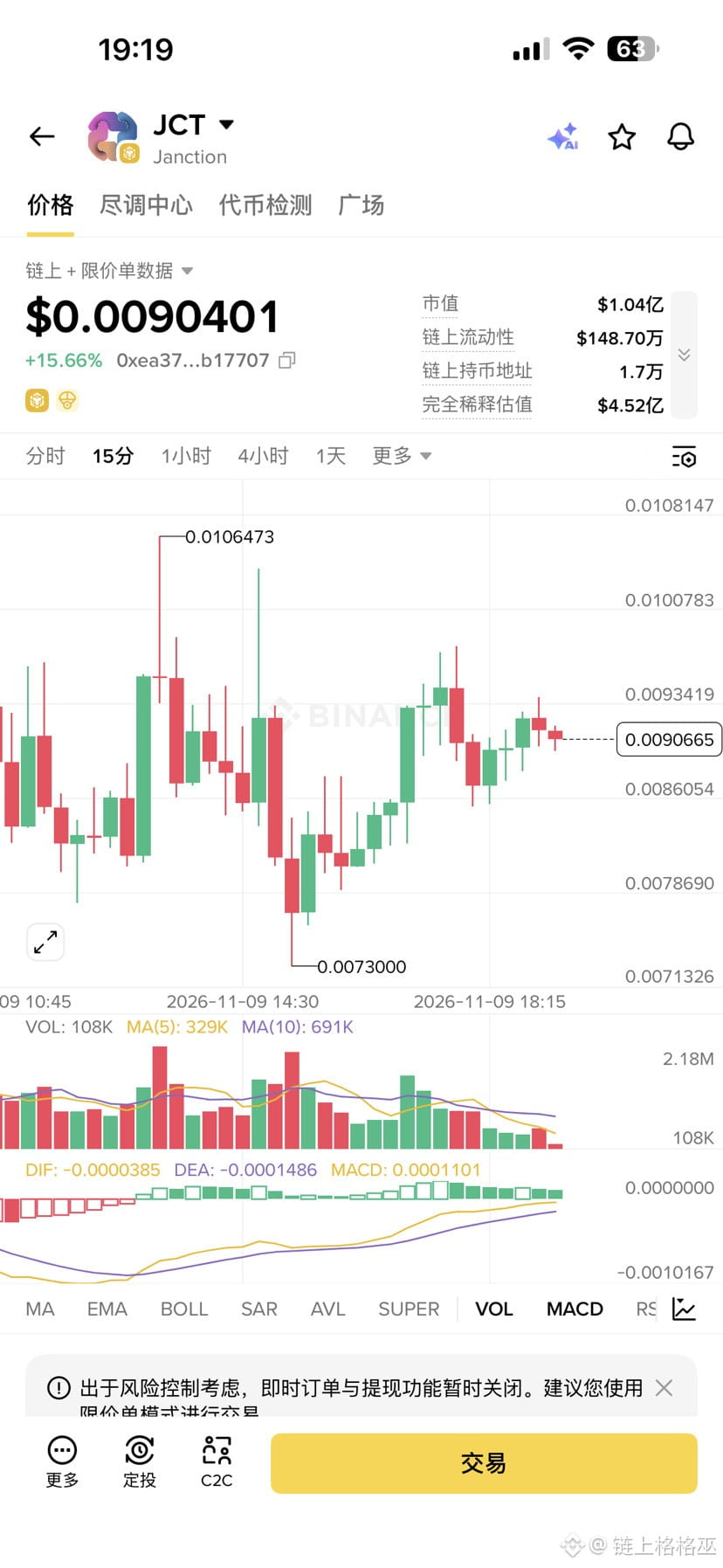
$JCT
Yesterday at 0.007, many people didn't dare to buy
Today it surged straight to 0.009🙂↔️🙂↔️
{alpha}(560xea37a8de1de2d9d10772eeb569e28bfa5cb17707)
$JCT
Yesterday at 0.007, many people didn't dare to buy
Today it surged straight to 0.009🙂↔️🙂↔️
Yesterday at 0.007, many people didn't dare to buy
Today it surged straight to 0.009🙂↔️🙂↔️
链上格格巫
·
--
$JCT
This guy's gone crazy again
Up 150%🧐🧐🧐
This guy's gone crazy again
Up 150%🧐🧐🧐
922
·
--
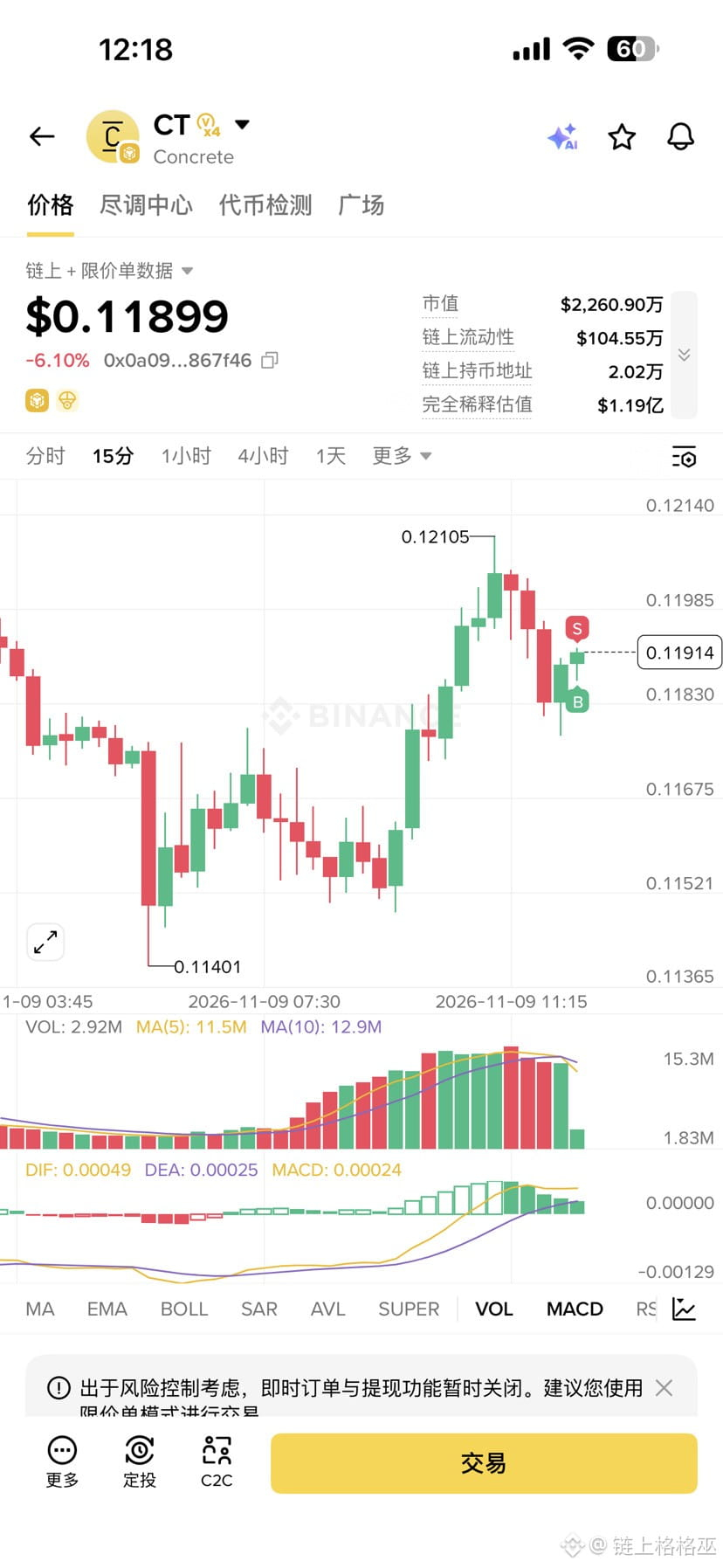
$CT
Continuing with the 14-point tier today
Down $0.87…
Haven’t seen any airdrop news yet
Let’s stay steady for now 🤔🤔
Are you all still hanging in there? 🧐
$CT
Continuing with the 14-point tier today
Down $0.87…
Haven’t seen any airdrop news yet
Let’s stay steady for now 🤔🤔
Are you all still hanging in there? 🧐
Continuing with the 14-point tier today
Down $0.87…
Haven’t seen any airdrop news yet
Let’s stay steady for now 🤔🤔
Are you all still hanging in there? 🧐
7
1
26
3k
·
--
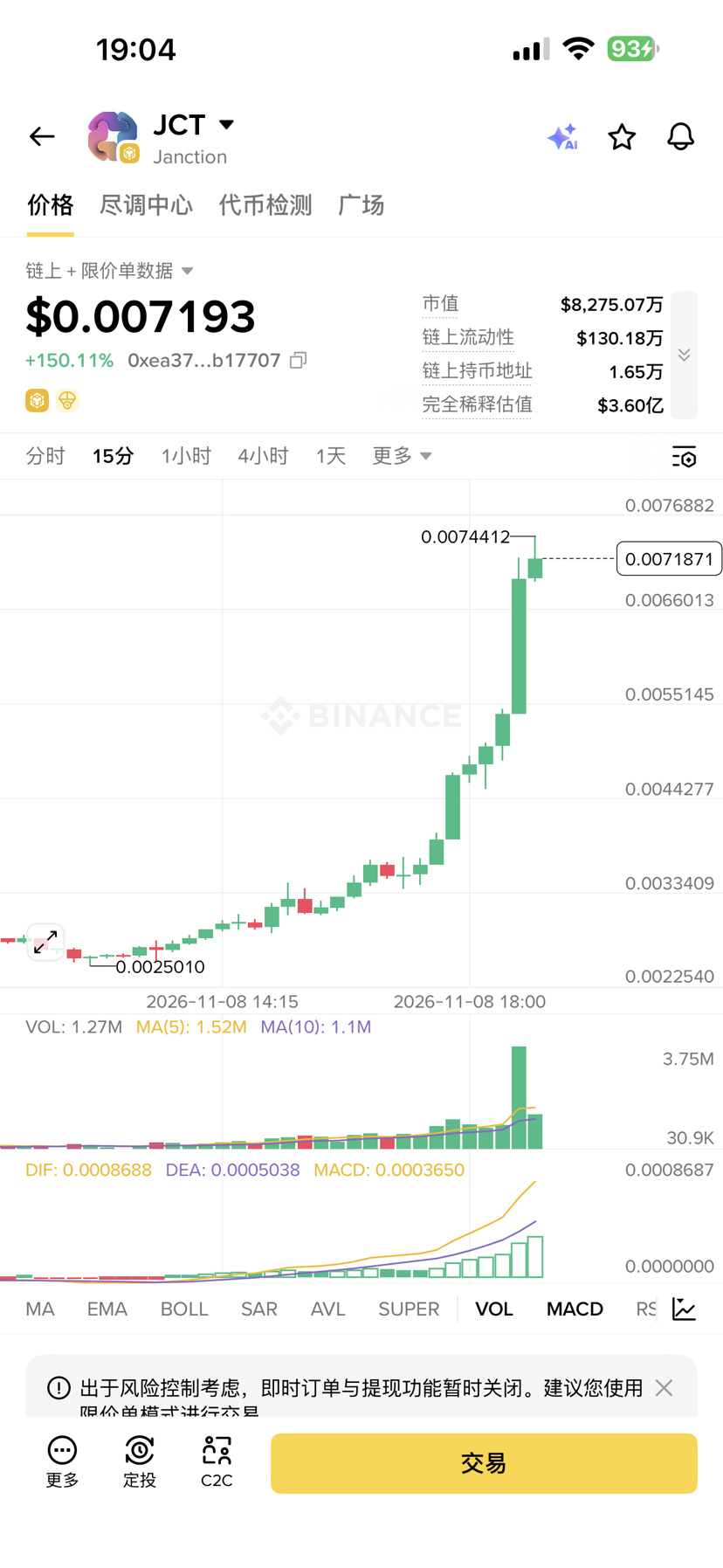
$JCT
This guy's gone crazy again
Up 150%🧐🧐🧐
{alpha}(560xea37a8de1de2d9d10772eeb569e28bfa5cb17707)
$JCT
This guy's gone crazy again
Up 150%🧐🧐🧐
This guy's gone crazy again
Up 150%🧐🧐🧐
3
1
3
2.6k
·
--
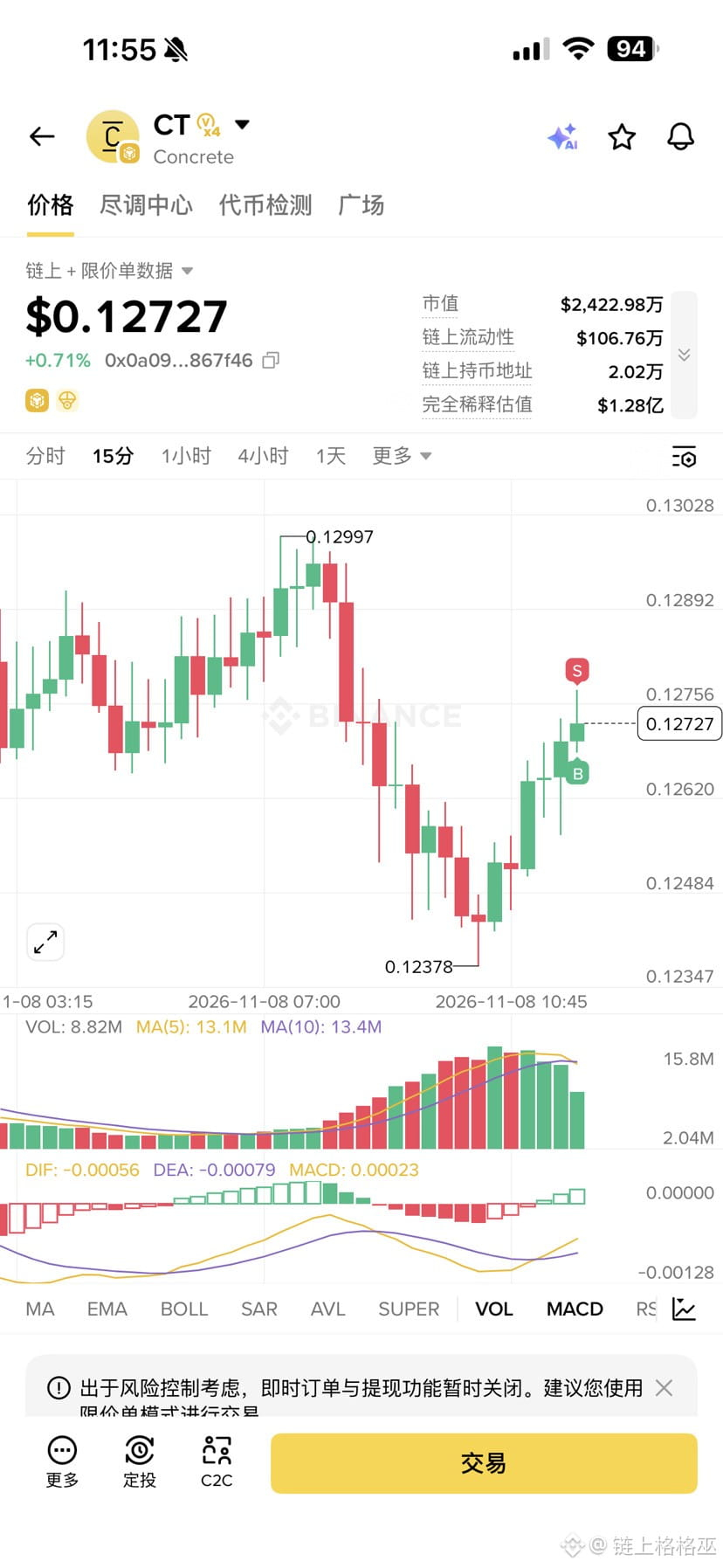
$CT
Continuing with the 14-point tier today
Losses: $0.78~
That should be acceptable…#ALPHA
Are you still hanging in there?🧐🧐
$CT
Continuing with the 14-point tier today
Losses: $0.78~
That should be acceptable…#ALPHA
Are you still hanging in there?🧐🧐
Continuing with the 14-point tier today
Losses: $0.78~
That should be acceptable…#ALPHA
Are you still hanging in there?🧐🧐
16
24
2.5k
·
--
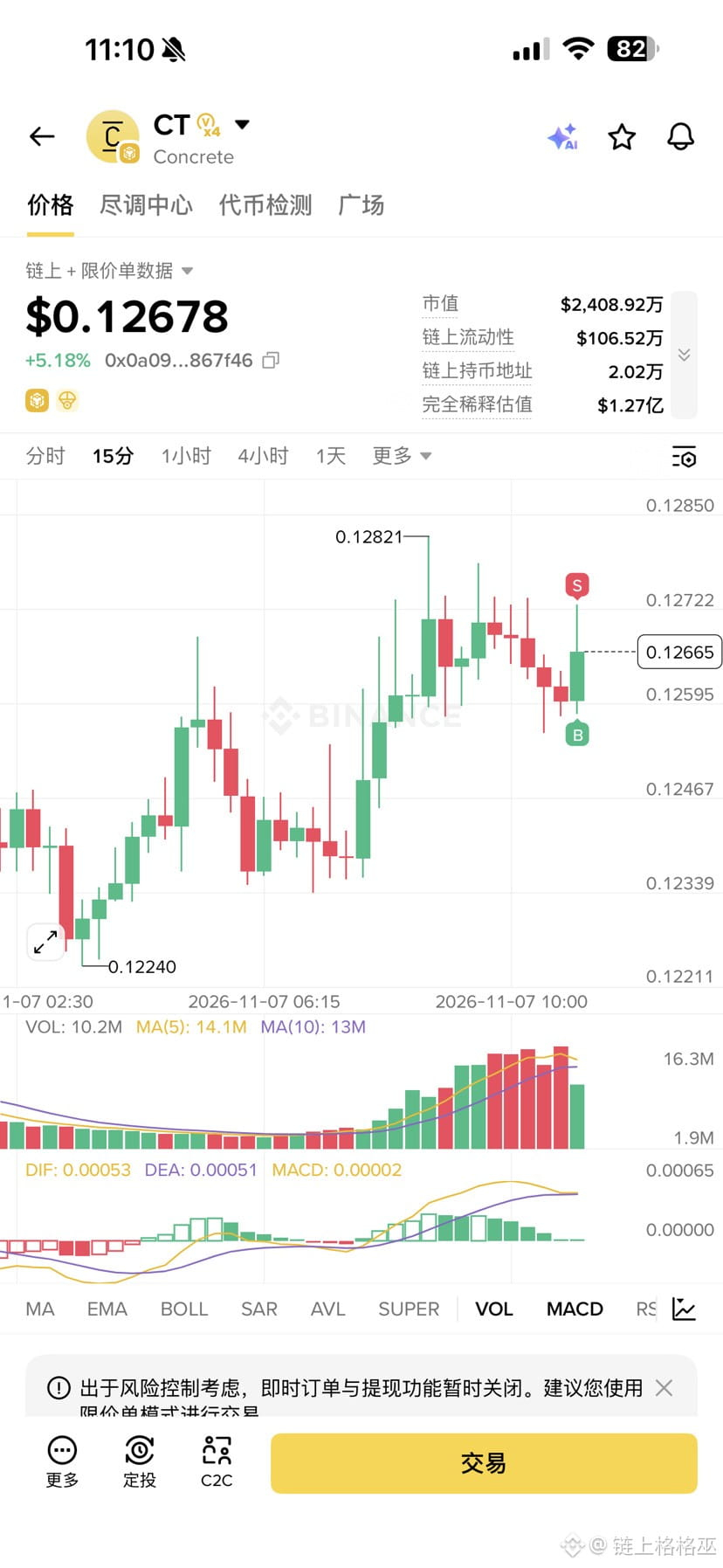
$CT
Today, another 14 points
Loss of $1.15…
Keep going for now ✊ Let’s see how things look next week
$CT
Today, another 14 points
Loss of $1.15…
Keep going for now ✊ Let’s see how things look next week
Today, another 14 points
Loss of $1.15…
Keep going for now ✊ Let’s see how things look next week
8
23
3k
·
--
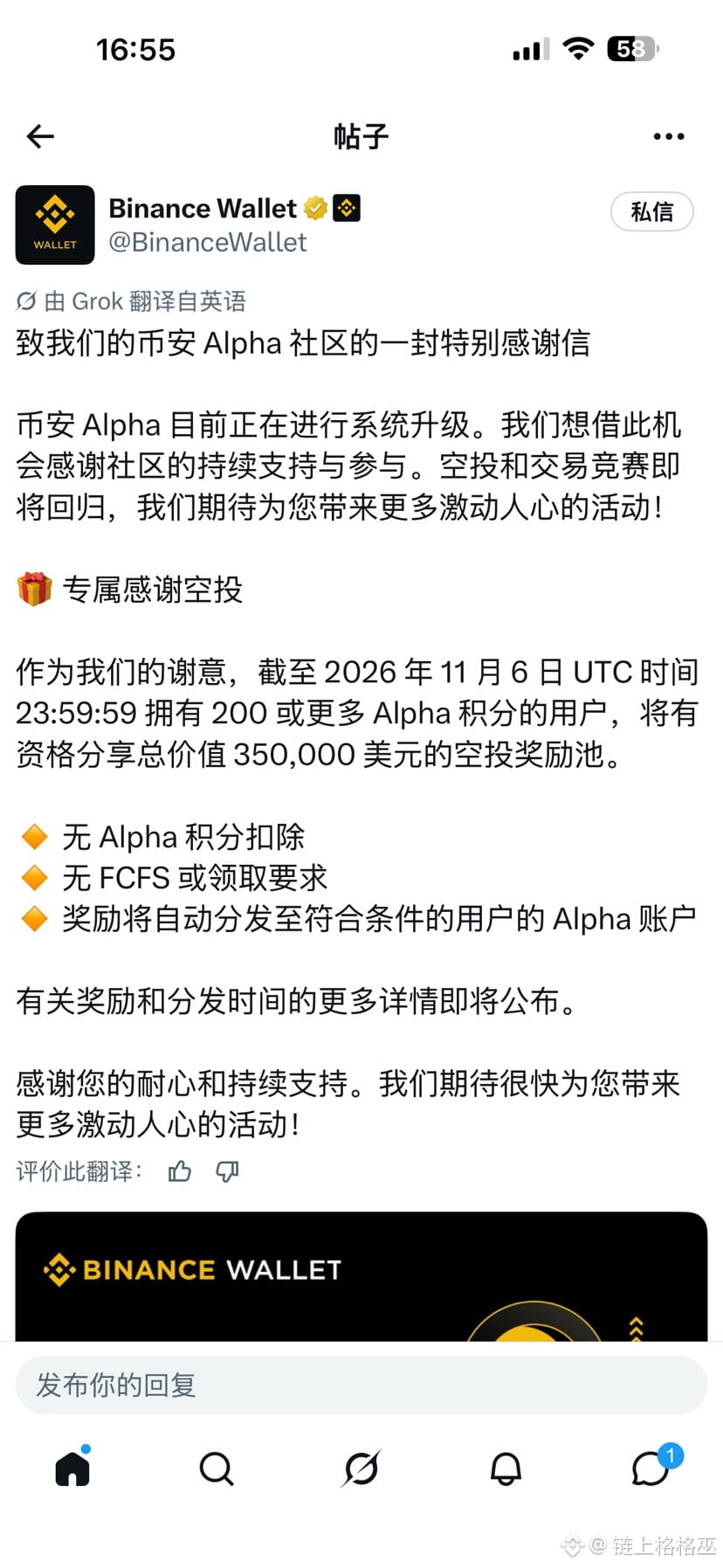
In the extreme conditions of the past few days, with the whole internet scrutinizing Binance under a magnifying glass and FUD flying everywhere, everyone thought Alpha’s progress would be put on hold. Then I saw the tweet: they’re putting up $350,000 in real money to give back to the community!
What I appreciate most is how fair the airdrop rules are: no Alpha points deducted, no first-come, first-served race, and automatic distribution! No need to set an alarm and compete for speed like before, or anxiously spend hard-earned points just to grab a share. If you had 200 points before November 6, you’ll get a direct payout!
I’ve seen so many people stirring things up over the past few days, but Binance has proven through its actions that after passing an unprecedented external security test, its internal operations haven’t ground to a halt—in fact, they’re still accelerating and evolving.
A platform that keeps rewarding users even during a downturn and gets through tough times with them—if you qualify, get ready to claim yours!~#alpha
7
1
7
1.7k
·
--
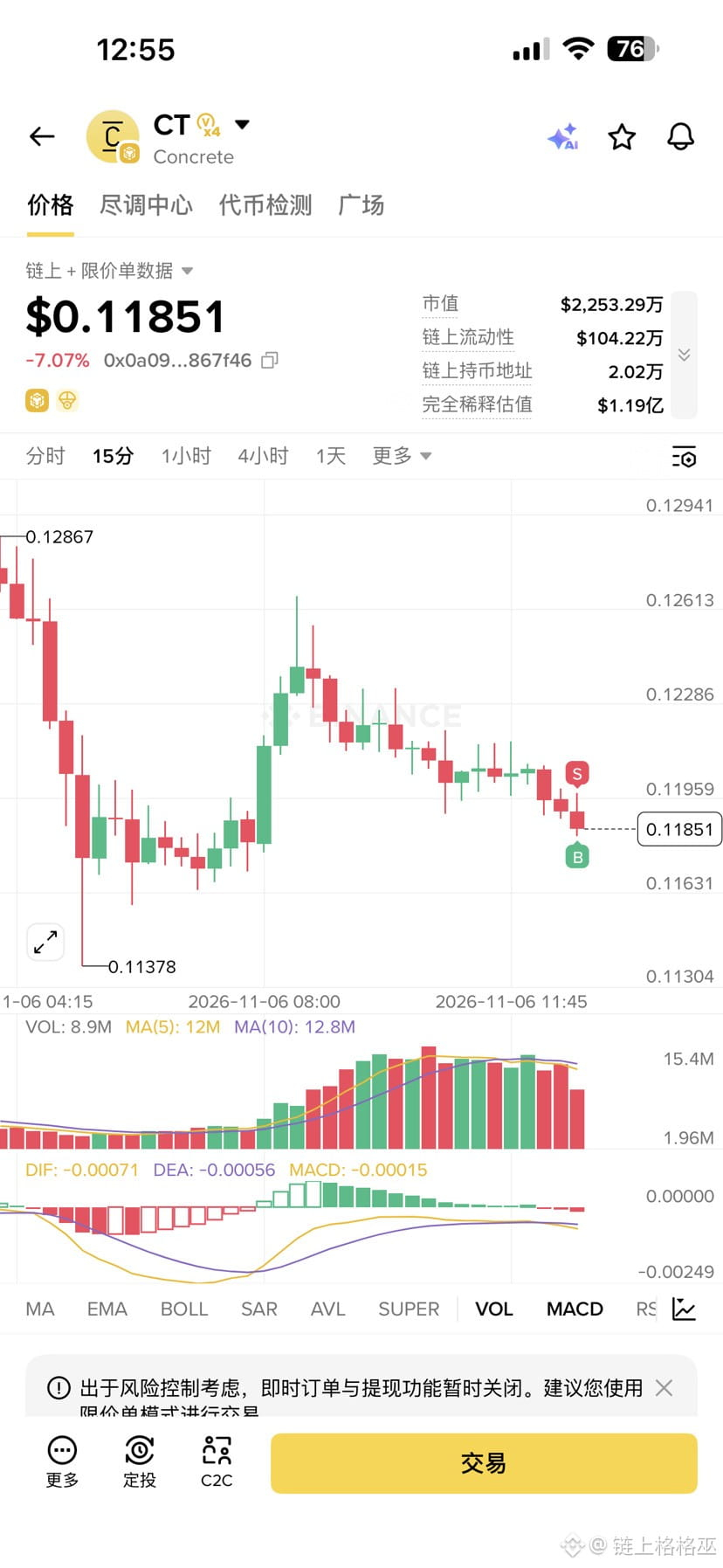
$CT
Today's trading volume: 16k
Loss: $0.76~
Let's stay steady for now and see how things look next week 👀
{alpha}(560x0a092e544da31150b439a1aaa1a3a2214a867f46)
$CT
Today's trading volume: 16k
Loss: $0.76~
Let's stay steady for now and see how things look next week 👀
Today's trading volume: 16k
Loss: $0.76~
Let's stay steady for now and see how things look next week 👀
9
19
3k
·
--
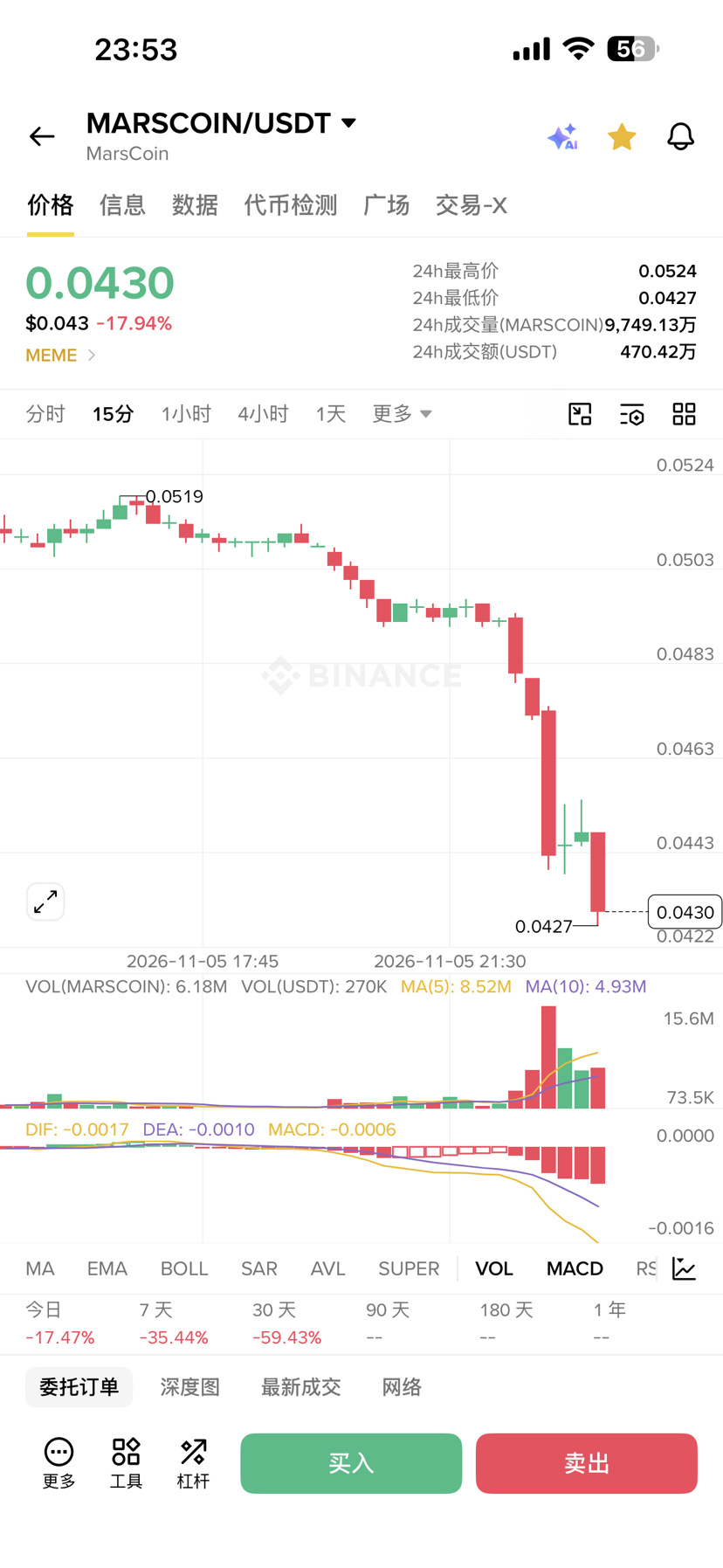
$MARSCOIN
This damn piece of shit
My cost basis is 0.087…
It's dropped by more than half 😑😑😑
Is there any hope?!!!
{future}(MARSCOINUSDT)
$MARSCOIN
This damn piece of shit
My cost basis is 0.087…
It's dropped by more than half 😑😑😑
Is there any hope?!!!
This damn piece of shit
My cost basis is 0.087…
It's dropped by more than half 😑😑😑
Is there any hope?!!!
4
3
3.7k
·
--
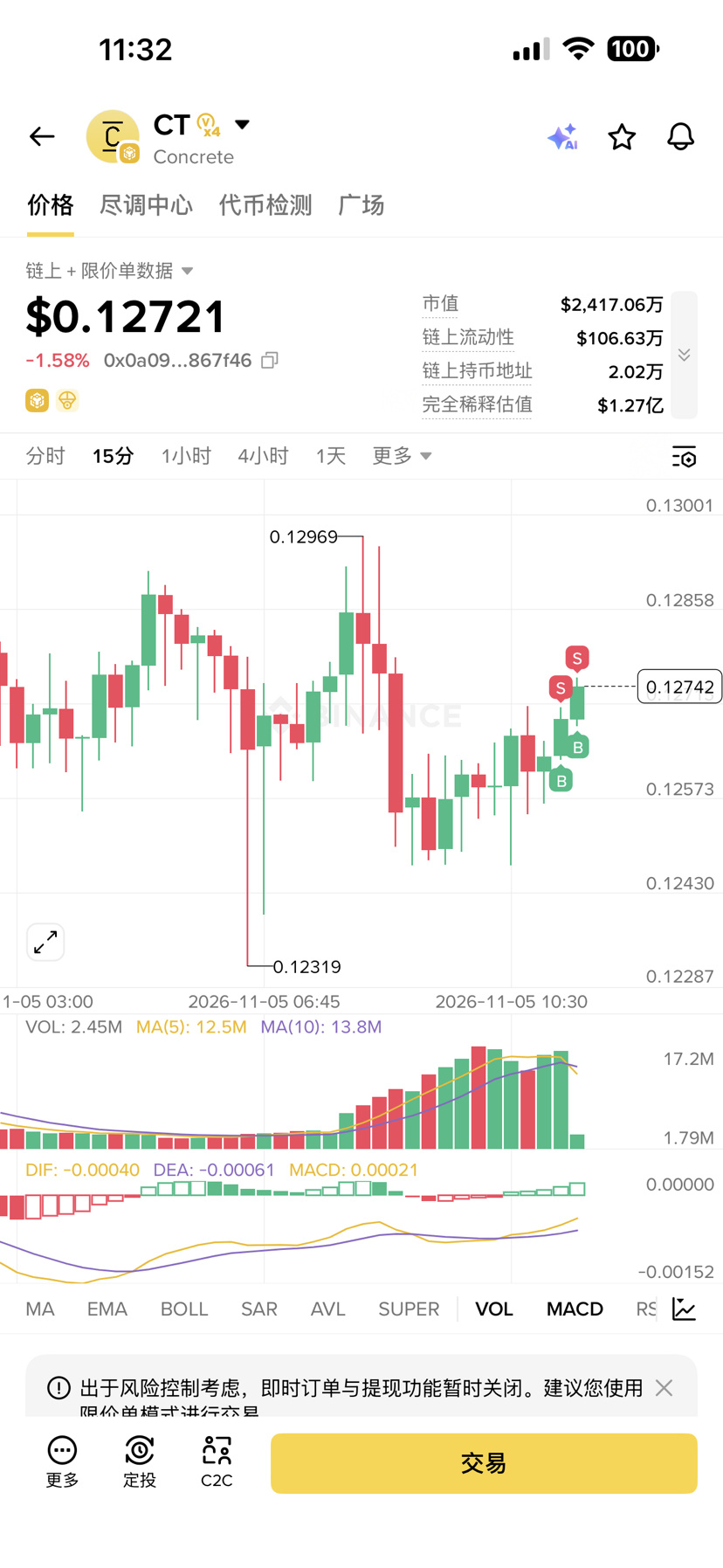
$CT
Today's trading volume: 30k
Loss: $2.17~
Just one more day until the points are returned
Will there be a surprise? 🥸🥸
$CT
Today's trading volume: 30k
Loss: $2.17~
Just one more day until the points are returned
Will there be a surprise? 🥸🥸
Today's trading volume: 30k
Loss: $2.17~
Just one more day until the points are returned
Will there be a surprise? 🥸🥸
14
1
54
6.3k
·
--
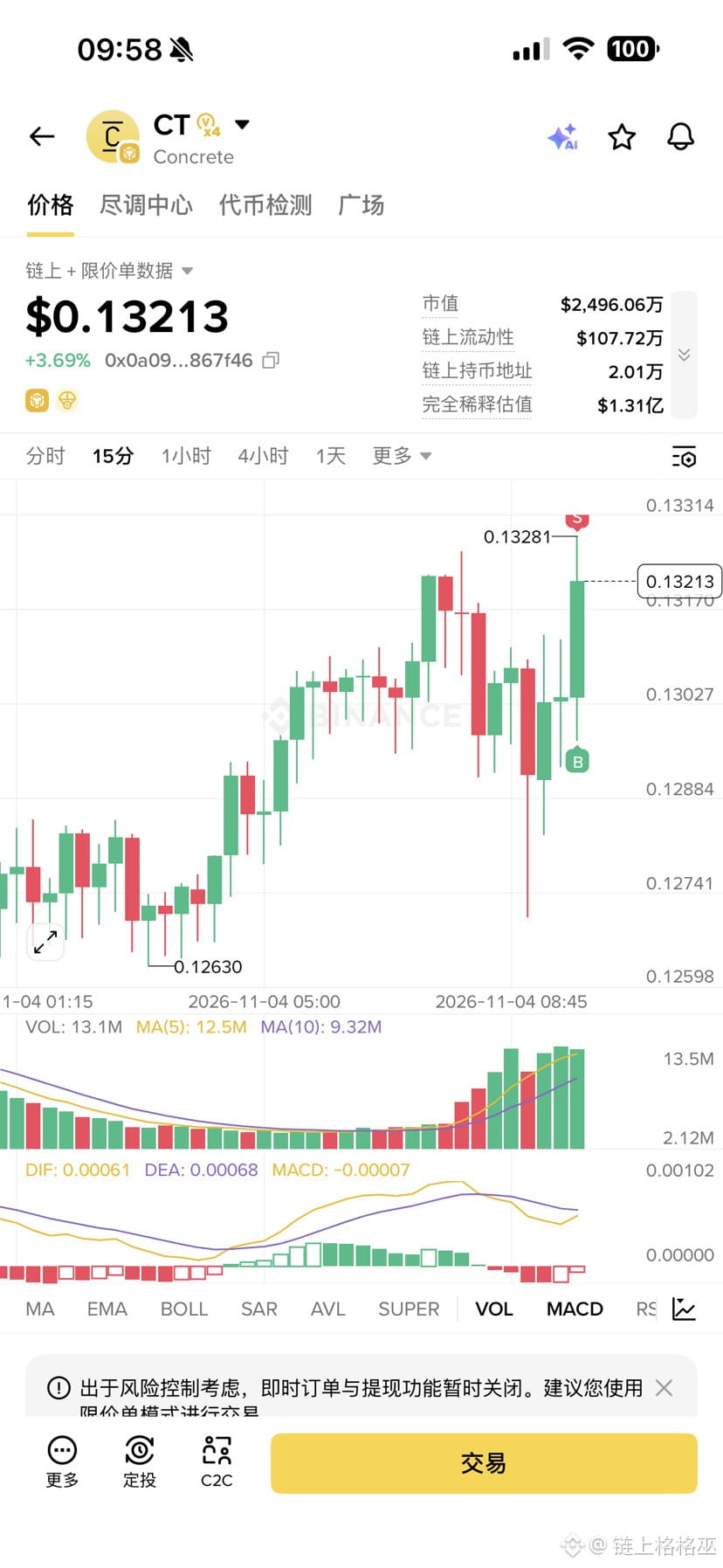
$CT
Today's trading volume: 30k
Losses: $1.95..
Feels like it's really hard to reduce it any further…
Will there be a surprise tomorrow? 🧐🧐
{alpha}(560x0a092e544da31150b439a1aaa1a3a2214a867f46)
$CT
Today's trading volume: 30k
Losses: $1.95..
Feels like it's really hard to reduce it any further…
Will there be a surprise tomorrow? 🧐🧐
Today's trading volume: 30k
Losses: $1.95..
Feels like it's really hard to reduce it any further…
Will there be a surprise tomorrow? 🧐🧐
8
8
2.7k
·
--
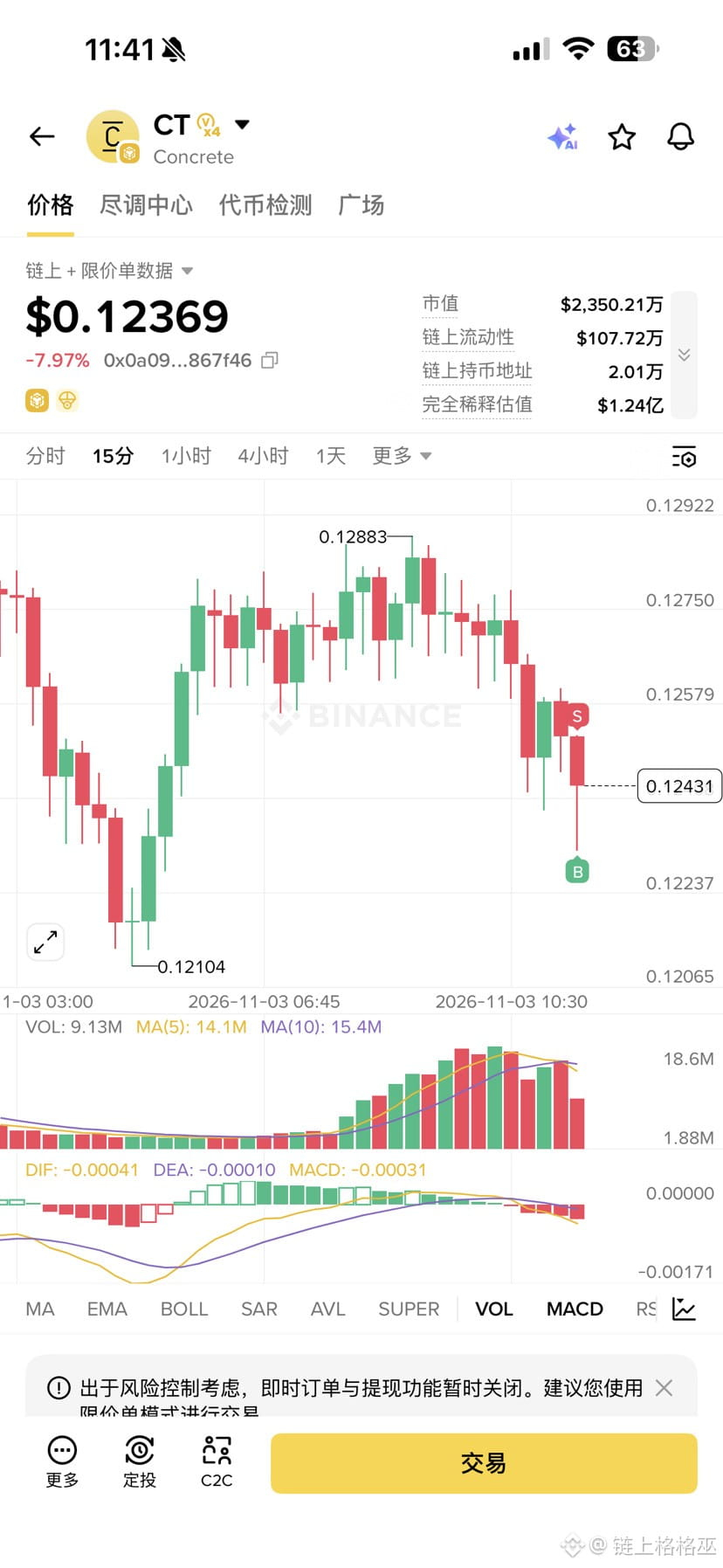
$CT
Today's trading volume: 30k
Loss: $2.17…
The airdrop still hasn't arrived
… this is hard to bear 🙂↔️🙂↔️🙂↔️
$CT
Today's trading volume: 30k
Loss: $2.17…
The airdrop still hasn't arrived
… this is hard to bear 🙂↔️🙂↔️🙂↔️
Today's trading volume: 30k
Loss: $2.17…
The airdrop still hasn't arrived
… this is hard to bear 🙂↔️🙂↔️🙂↔️
3
6
2.1k
·
--
Verified
#币安 The resumption of withdrawals is good news, but the first 60 minutes after the channel reopens are the “golden hunting period” for hackers and phishing groups. Hackers are taking precise advantage of users’ panic after experiencing withdrawal suspensions and their eagerness to get their funds safely into their wallets. They phish using “address poisoning” (fake addresses with matching first and last characters) or “clipboard malware” (silently replacing the copied address). If you take the shortcut of copying an address directly from your history, or confirm without checking the full address, your assets could be stolen in an instant.
🚨 We’ve put together a few safety reminders—save this post
Withdrawal channels are gradually coming back online, but please, please stay calm! This is exactly when you need to watch out for hackers’ “phishing ambushes”!
Hackers are counting on everyone to panic. To keep your assets safe, be sure to follow these steps when withdrawing crypto:
1. Don’t take shortcuts—never copy an address from your “transaction history”!
Hackers create fake addresses whose first and last 4 characters exactly match the real ones, then mix them into your transaction history. If you take the easy route and click an address from your history, there’s a good chance your funds will go to a hacker.
2. Watch out for “clipboard malware”—use the “three-part verification method”
If your computer or phone is infected with malware, the address you paste after copying the correct one may be replaced with a hacker’s address. How to stay safe: Before transferring, visually check the entire 42-character address! We recommend checking the first 5 characters, 5 in the middle, and the last 5. If even one character in the middle is wrong, your money is gone.
3. Test with a small amount first, then withdraw more once it arrives
Don’t withdraw everything at once. First, send a tiny amount and make sure it arrives in your cold wallet or at the destination address. Only then proceed with a larger transaction.
4. Use official channels and never trust anyone claiming to be “customer support”
Anyone who privately messages you offering to “speed up your withdrawal,” “fix a stuck withdrawal,” or asking for your verification code or seed phrase is 100% a scammer! Binance will never proactively message you to ask for this information.
5. Slow is smooth, smooth is fast
In this dark forest, taking an extra thirty seconds to check the address will never stop you from getting out at the top. But if you rush and confirm the wrong transaction, you could lose everything you’ve invested.
There’s no need to rush your withdrawal. Stay calm, double-check everything, and then proceed! Wishing you all safe and sound assets!🔐#币安第一阶段15个网络已恢复提现

5
1
10
6.8k
·
--
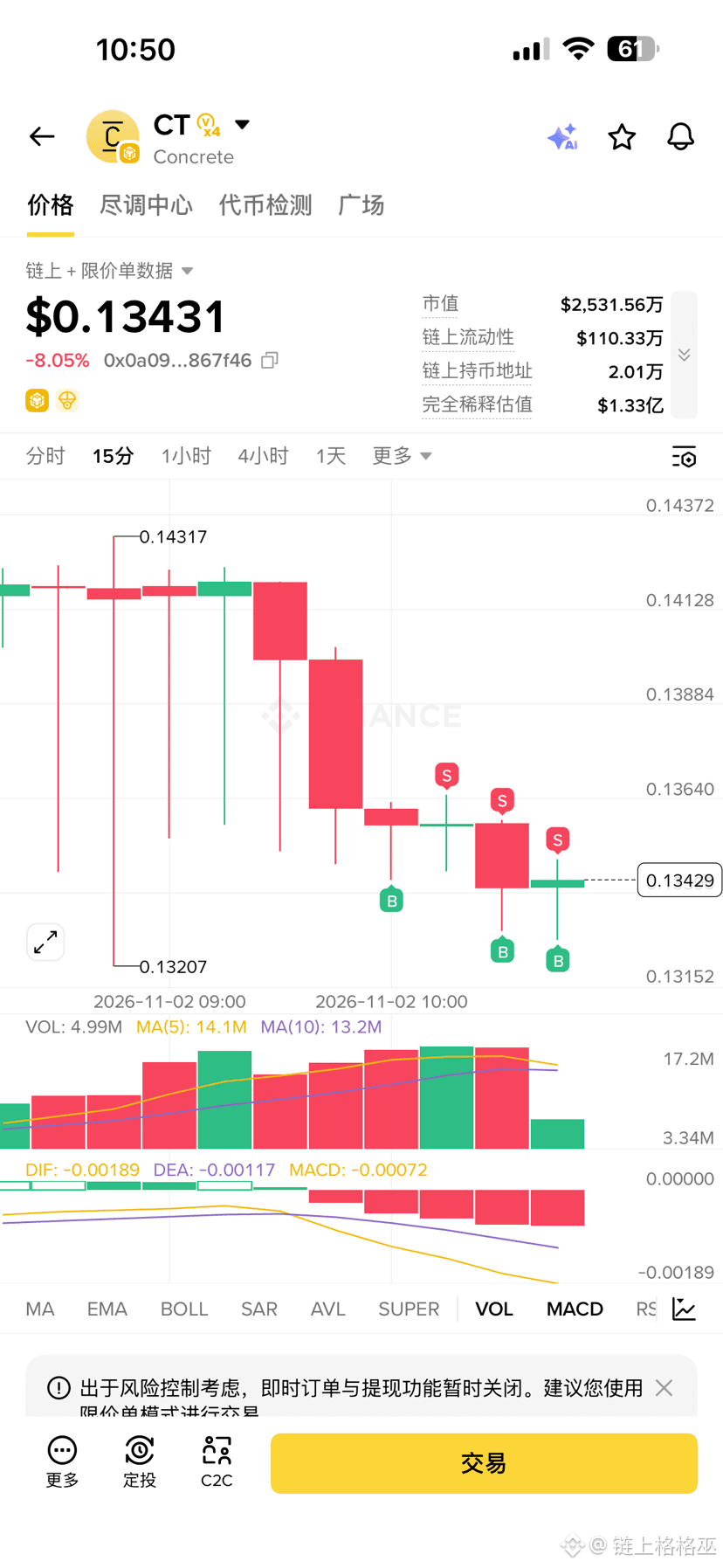
$CT
Today's trading volume: 30k
Loss: $4.41…
This is so hard… sigh 😑😑
Are you still hanging in there? How are your losses? 🙂↔️
$CT
Today's trading volume: 30k
Loss: $4.41…
This is so hard… sigh 😑😑
Are you still hanging in there? How are your losses? 🙂↔️
Today's trading volume: 30k
Loss: $4.41…
This is so hard… sigh 😑😑
Are you still hanging in there? How are your losses? 🙂↔️
46
72
7.4k
·
--
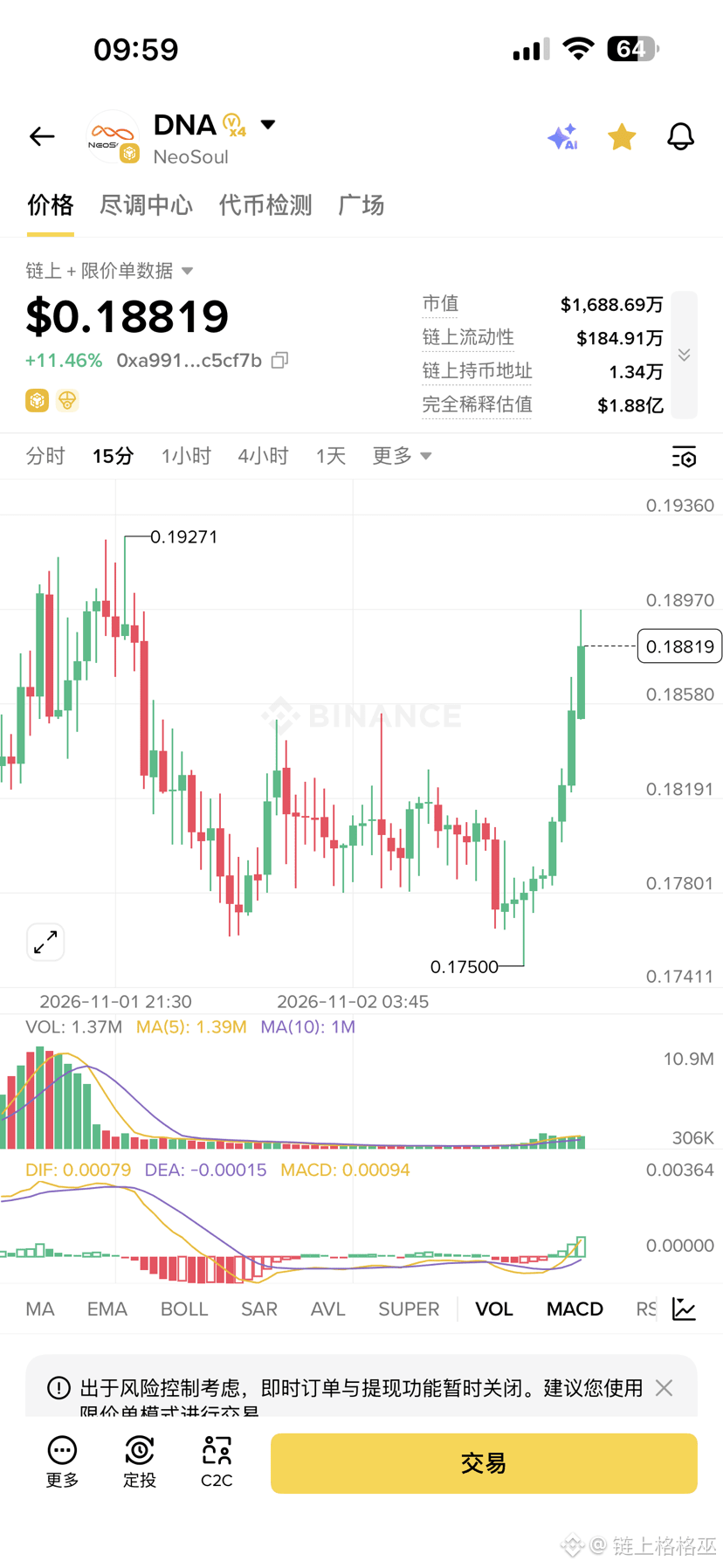
$DNA
This guy finally has a little desire to live
My cost basis is 0.27, and I'm still stuck at the peak catching wind 🌬️
{alpha}(560xa991f61940095aea0724ef54077223b048c5cf7b)
$DNA
This guy finally has a little desire to live
My cost basis is 0.27, and I'm still stuck at the peak catching wind 🌬️
This guy finally has a little desire to live
My cost basis is 0.27, and I'm still stuck at the peak catching wind 🌬️
1
1.9k
·
--
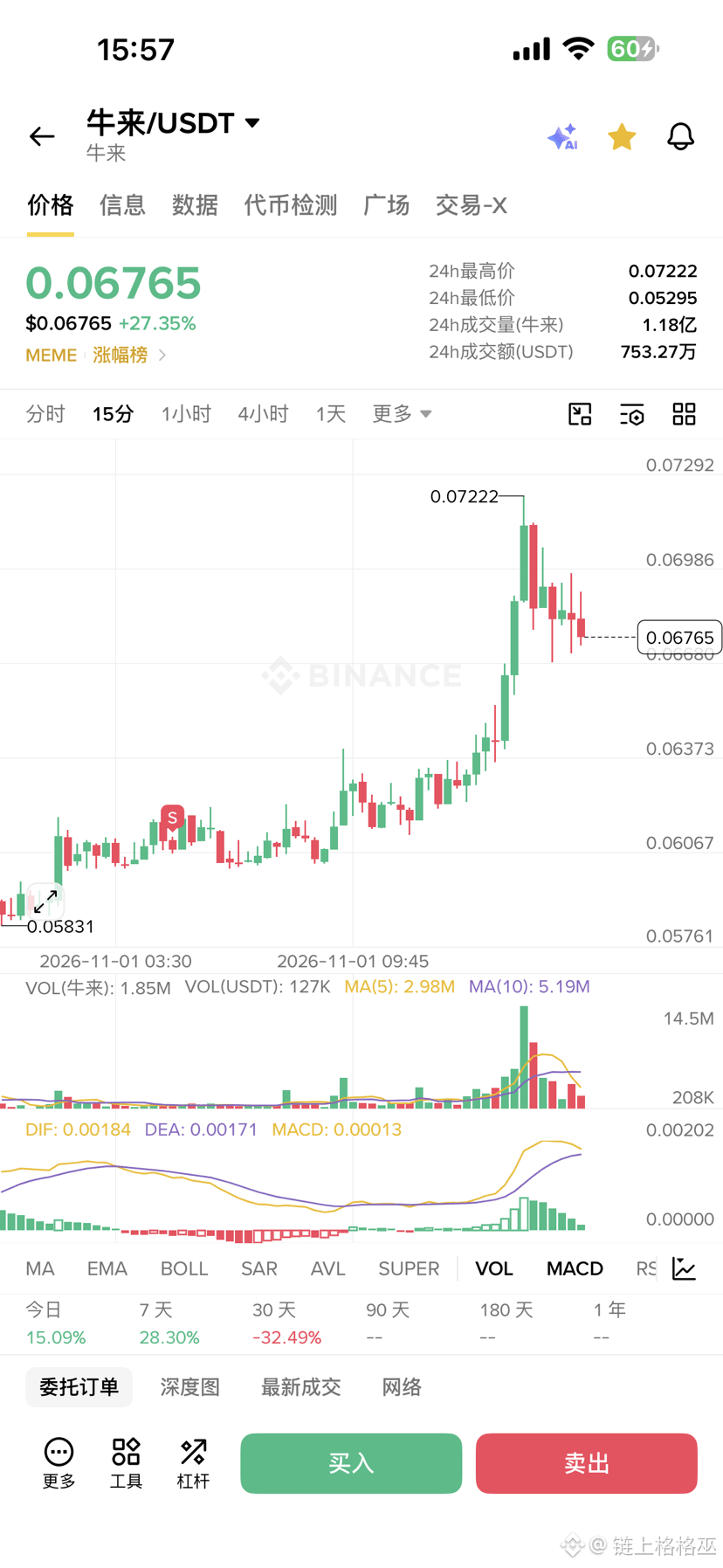
$牛来
Still going strong
It even surged nearly 30 points at this point 😎😎
{spot}(牛来USDT)
$牛来
Still going strong
It even surged nearly 30 points at this point 😎😎
Still going strong
It even surged nearly 30 points at this point 😎😎
链上格格巫
·
--
$牛来
Can still pull in 13 points at this point?
Pretty interesting…🧐🧐
Can still pull in 13 points at this point?
Pretty interesting…🧐🧐
1
2
1.2k
·
--
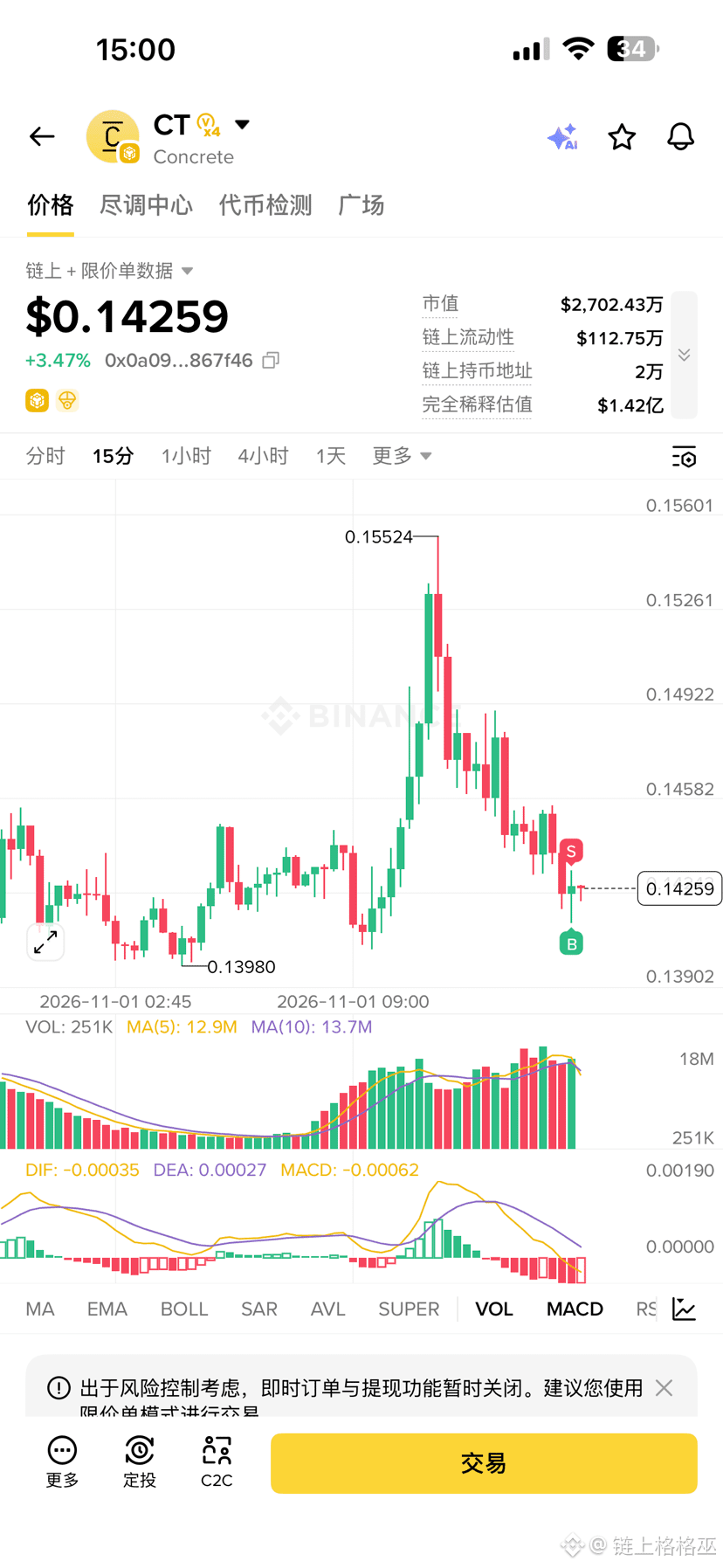
$CT
I claimed 3 airdrops in October,
sold them for $148, and lost $101.
A whole month of work for a $47 profit 😑😑
Today, $60k in trading volume,
with a $2.48 loss…🙂↔️
Are you still sticking with it? 🧐🧐
$CT
I claimed 3 airdrops in October,
sold them for $148, and lost $101.
A whole month of work for a $47 profit 😑😑
Today, $60k in trading volume,
with a $2.48 loss…🙂↔️
Are you still sticking with it? 🧐🧐
I claimed 3 airdrops in October,
sold them for $148, and lost $101.
A whole month of work for a $47 profit 😑😑
Today, $60k in trading volume,
with a $2.48 loss…🙂↔️
Are you still sticking with it? 🧐🧐
15
1
21
2.9k
·
--
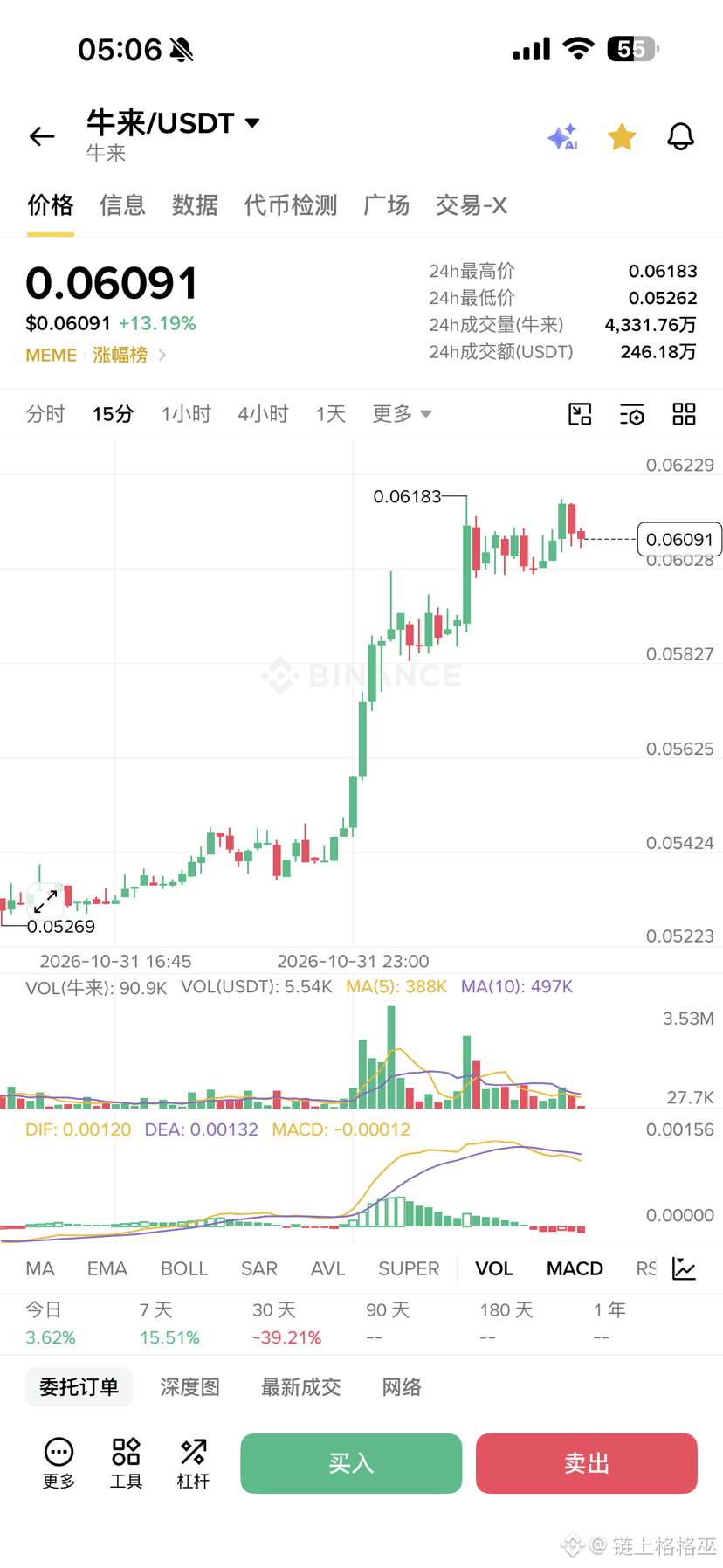
$牛来
Can still pull in 13 points at this point?
Pretty interesting…🧐🧐
{spot}(牛来USDT)
$牛来
Can still pull in 13 points at this point?
Pretty interesting…🧐🧐
Can still pull in 13 points at this point?
Pretty interesting…🧐🧐
1
2
4.2k
Log in to explore more content
Join global crypto users on Binance Square
⚡️ Get latest and useful information about crypto.
💬 Trusted by the world’s largest crypto exchange.
👍 Discover real insights from verified creators.
Email / Phone number
Trending Topics
HotCPIDecemberHikePriced
145,107 views
1,641 Discussing
CPI Market Watch | US CPI Rises 0.4% in October, Hotter Than 0.3% Forecast
Binance News
·28 Likes
·42.1k views
StrategyFaces$2.8BSelloffRiskFromMSCIRemoval
0 views
0 Discussing
AnthropicRejectsIPODelayValuationinQuestion
257,901 views
2,201 Discussing