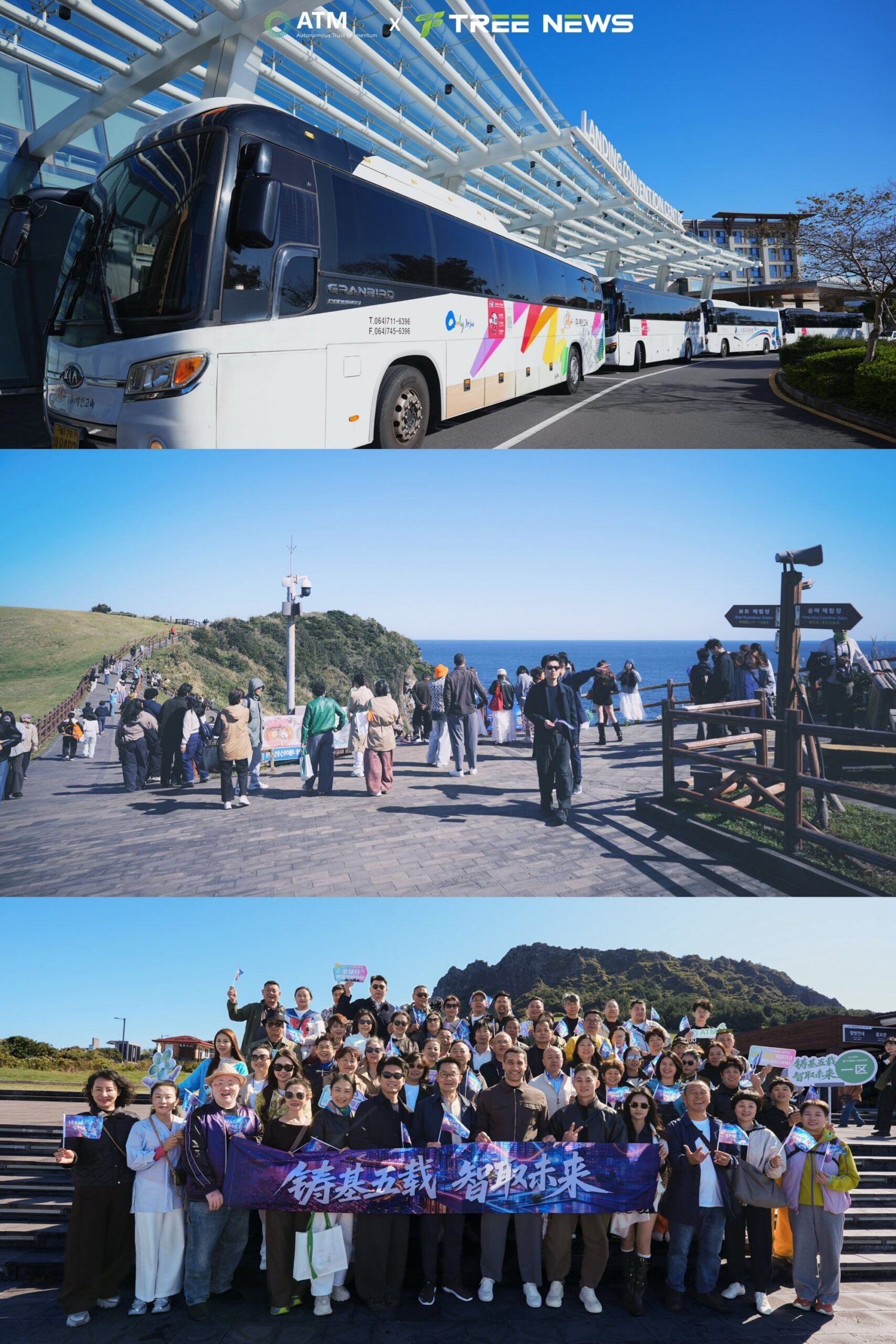

Conversations can begin with presentations on stage and continue along the journey with fellow travelers.
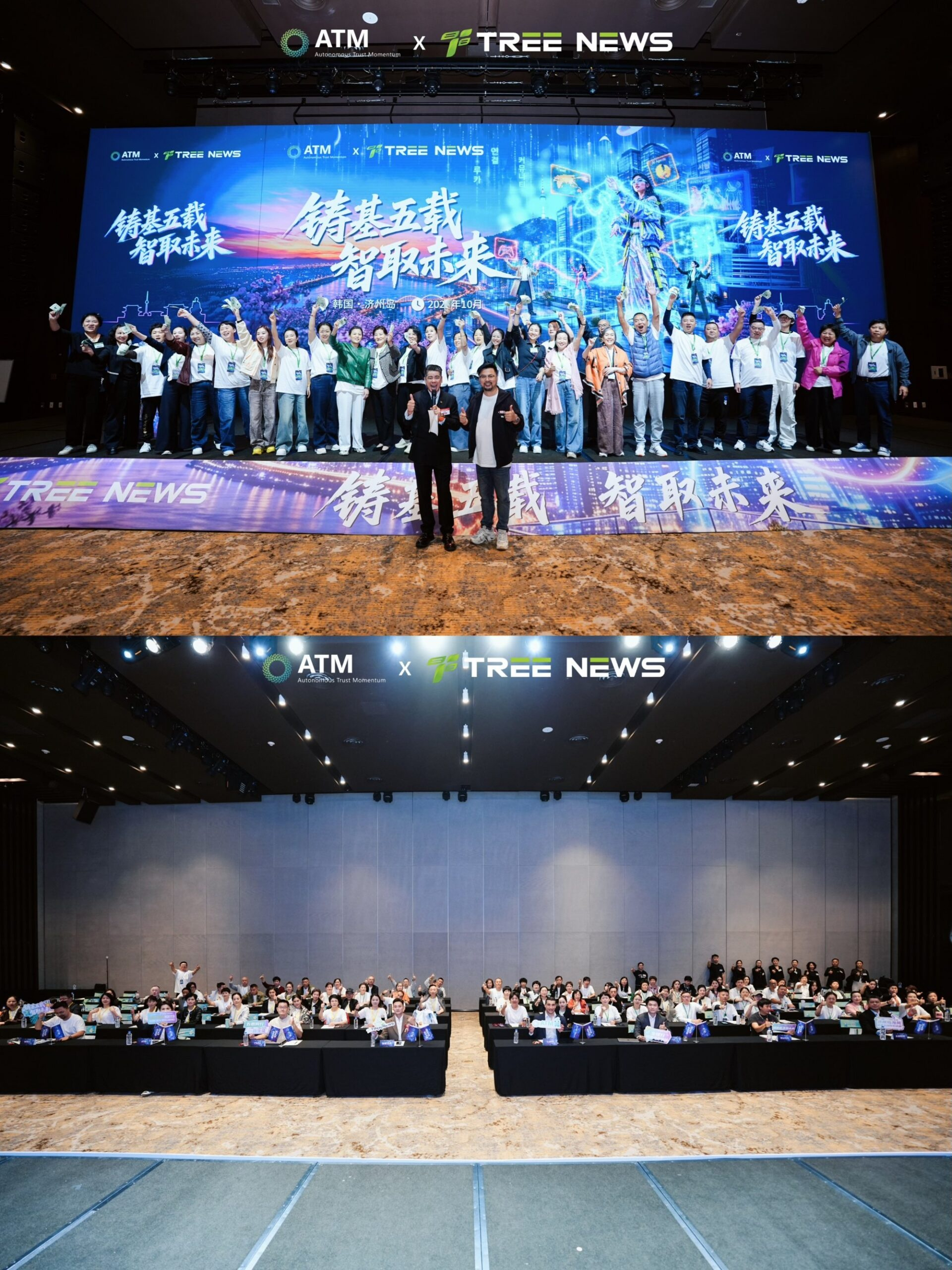
From October 26 to 30, the first stop of the TreeNews & ATM Global Tour took place on Jeju Island, South Korea. In partnership with ATM, the event brought together keynote sessions, community meetups, and island excursions, giving participants time to get to know one another as well as explore technology and products.
Themed sessions on the 27th brought AI applications, the gaming ecosystem, and the agent skills economy into one shared discussion space. The following two days extended conversations to Jeju Island’s coastline and neighborhoods, as well as shared meals.
As TreeNews expands overseas after its earlier tours of universities and cities, it hopes to continue offering content and connections grounded in real needs: going on the ground, listening to specific concerns, and bringing technology discussions together with people’s experiences.
The conference venue offers a chance to share ideas in a focused setting, while several days spent together leave room for ongoing conversation.

I. Going overseas while continuing conversations grounded in real-world problems
During its earlier tours of universities and cities, TreeNews brought industry professionals, builders, and community partners together for face-to-face conversations. People from different backgrounds brought different questions, giving discussions about technology and products more concrete points of reference.
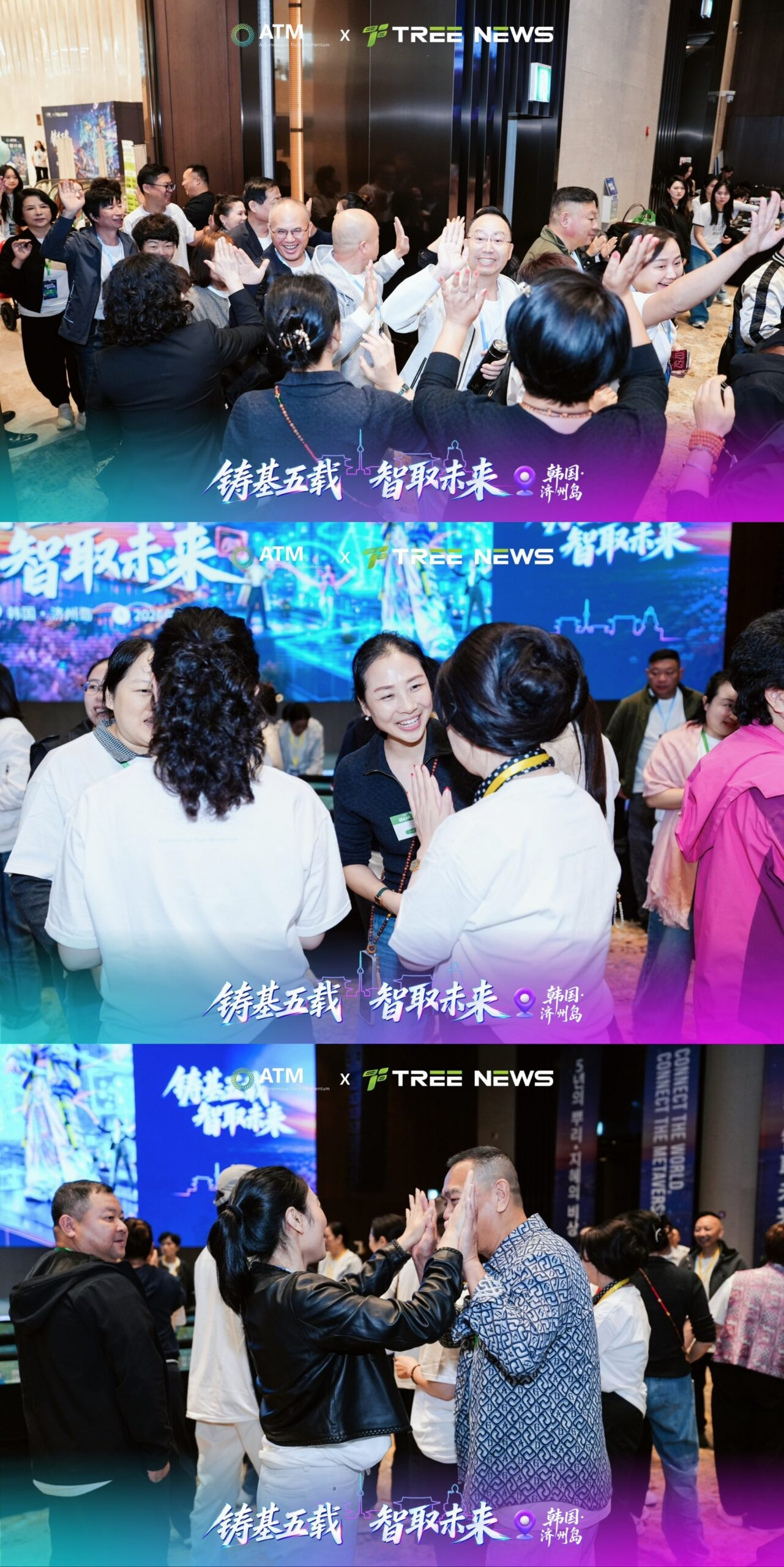
In Jeju, these conversations moved beyond a single conference venue.
The five-day itinerary included both focused presentations and time to explore together and talk freely. Participants could first learn about a team’s direction through presentations, then fill in the background, ask further questions, and gradually understand what mattered to one another as they spent more time together.
This format has a practical rationale: an introduction can communicate a conclusion, but understanding the choices behind it often takes more time.
Why a product serves a particular type of user, why a mechanism is designed in a certain way, and what problems a team plans to tackle next are all difficult to explain in a brief exchange of pleasantries. Spreading conversations across several days of shared experiences gives these discussions room to develop.
For TreeNews, its first overseas stop also continued the connection between media work and in-person exchange. Content helps more people discover ideas, while in-person gatherings bring those ideas face to face with real-world experience and questions. New questions raised in these conversations can then become the starting point for future reporting and coverage.
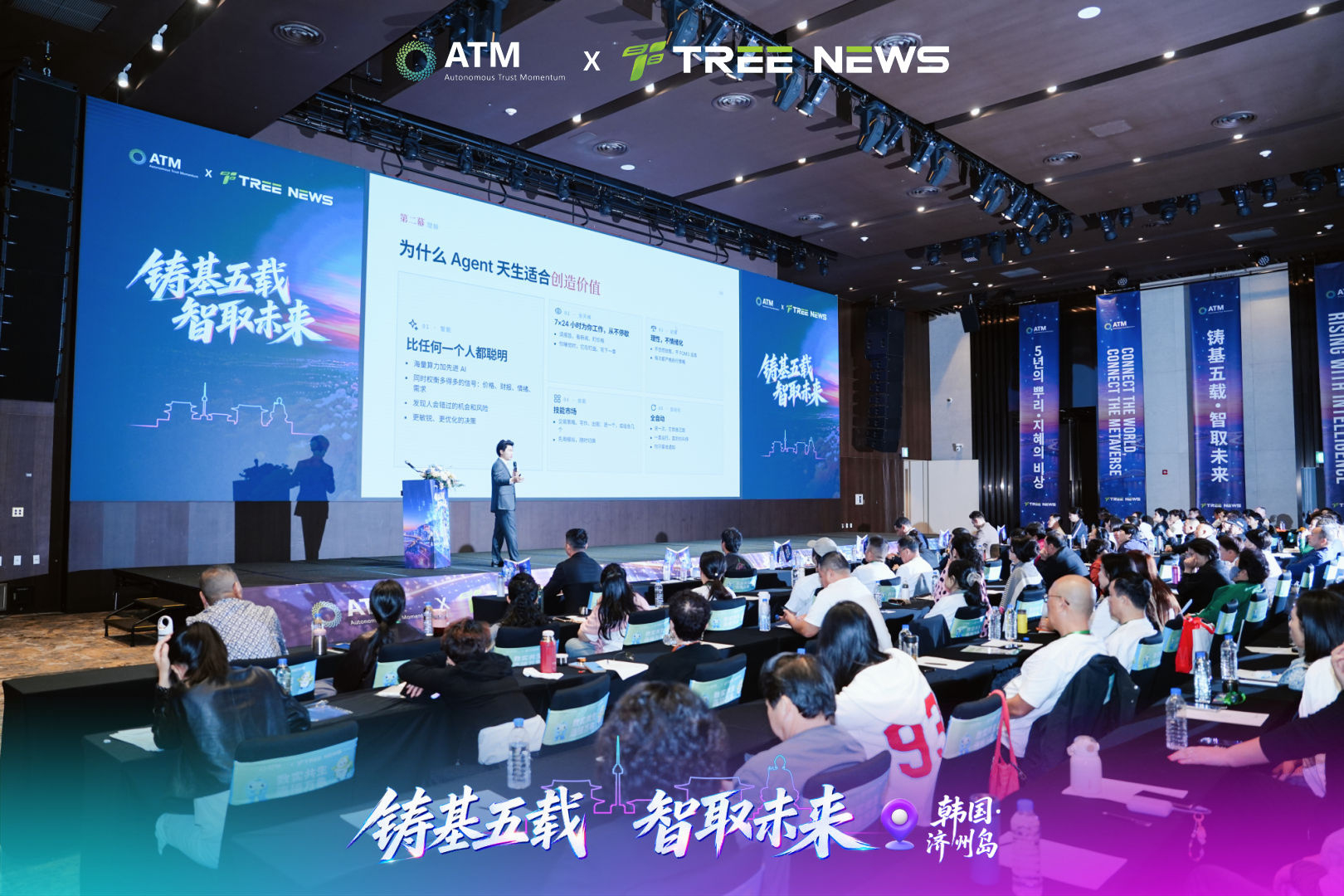
The event opened with brief remarks from a representative of the organizers, who welcomed everyone to Jeju and thanked them for their continued participation and support. The conference then moved into its themed presentations, with discussions spanning industry trends, product progress, and community practice.
II. Crypto Ma Shu: Seeing the changes AI brings—and deciding which problems are worth solving
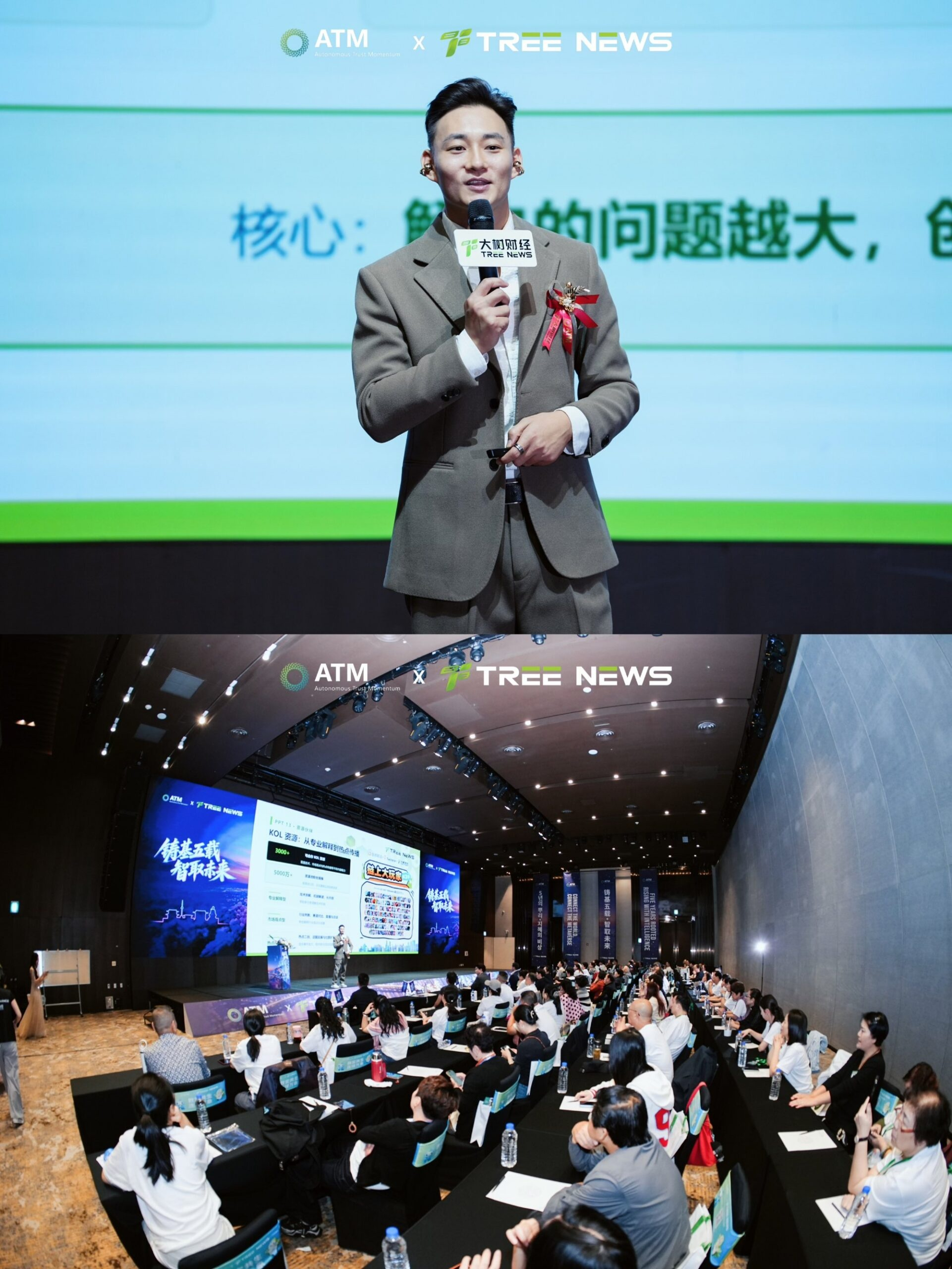
At the themed conference on the 27th, TreeNews CEO Crypto Ma Shu gave a presentation titled (Seeing the Future Unfold in the AI Wave).
His observations come from working on the front lines of media and industry exchange. As AI helps process information, support analysis, and produce content, the efficiency of information handling is changing. At the same time, verifying facts, understanding context, and identifying needs are becoming even more important.
The presentation placed AI applications in specific settings, including content production, pet-care assistance, accessibility services, travel, and gaming. Each area requires different product capabilities, but all must answer a basic question: Who does the technology help, and what does it improve?
Tools can provide capabilities, but the problems worth solving still need to be identified in the real world.
This is why TreeNews continues to visit campuses, cities, and industry gatherings. The project team brings perspectives on technology and products, while participants bring practical experience from work, study, and everyday life. When people in different roles question the same idea, its needs and limitations gradually become clearer.
In Jeju, this approach also provided common ground for the presentations that followed: discussing how AI and Web3 fit together requires a closer look at how they enter applications, how users interact with them, and what remains after they have been used.
III. From operational records to product plans: presentations explored initiatives at different stages
At the conference that day, Chris, a games company executive; community speaker Mike; ATM investor Lottfi; and the Admin team shared perspectives on game operations, community participation, a review of development, and agent applications.
Gaming ecosystem: looking at both usage to date and what comes next
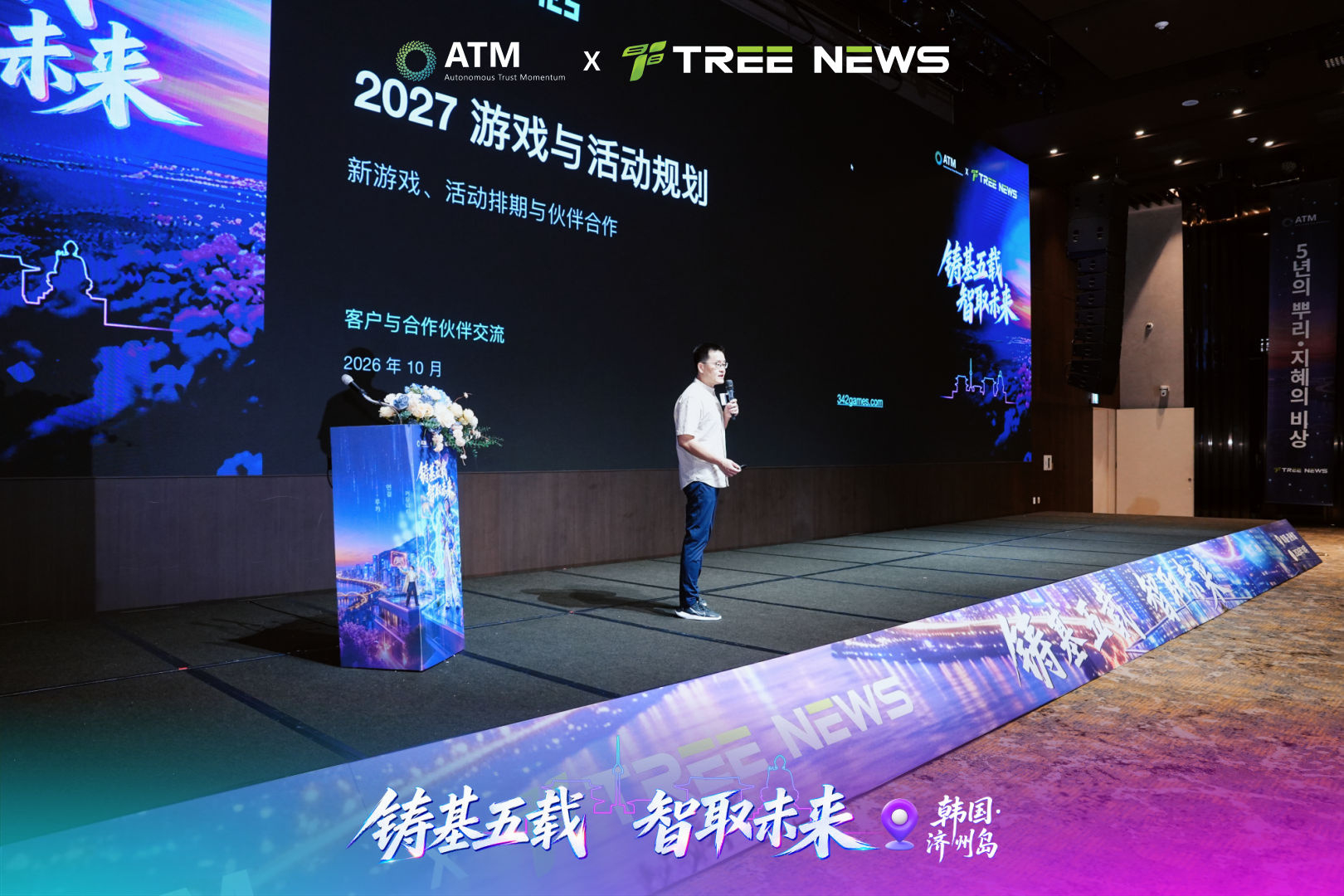
Chris introduced PR Boost’s operations and 342 Games’ plans for games and events in 2027.
The PR Boost report uses a clearly defined reporting period, covering July 18 to October 20, 2026, and presents records such as participating wallets, matches played, recent activity, and token usage. Rather than simply introducing the mechanics, these materials bring the discussion down to how the product operates: Are users continuing to participate? How are different game modes being used? And how are the rules reflected in actual records?
In the report, a “player” is defined as a unique wallet that has completed at least one match, while the total match-entry amount is the sum of all entry fees. Retaining these definitions helps ensure the data is understood accurately.
Looking ahead, Chris introduced development directions including Matrix Prediction and Bingo Market, as well as event plans connecting games, merchandise benefits, and partners.
Matrix Prediction uses simulated sporting events as its first scenario. Bingo Market aims to incorporate product discovery into digital bingo, shopping tasks, and multiplayer collaboration. The presentation also noted that these new games are still in development, and that specific event plans and rules will be announced separately.
Operational records show how a product has been used; plans for the future still need to be validated through delivery.
Community and the fifth-anniversary review: placing participation in a longer-term perspective
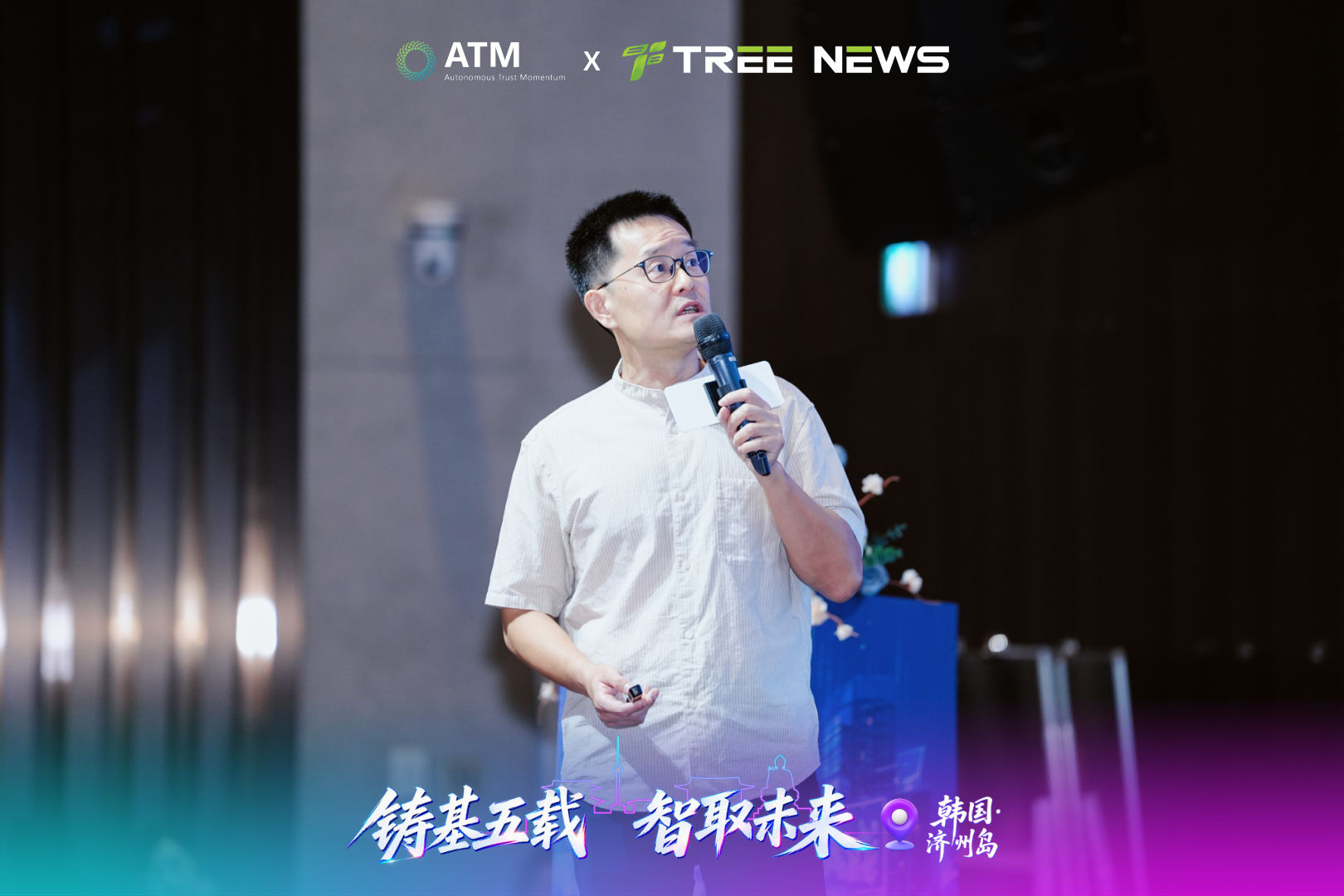
Under the title (ATM · Value Leap), Mike discussed how participants can understand their relationship with the community, looking at platform awareness, capability-building, and ecosystem co-creation.
His presentation shifted attention from short-term results to long-term growth: beyond understanding how the product works, can participants develop new knowledge and judgment? Can they make concrete contributions to the community by sharing experience, responding to questions, and providing feedback on needs?
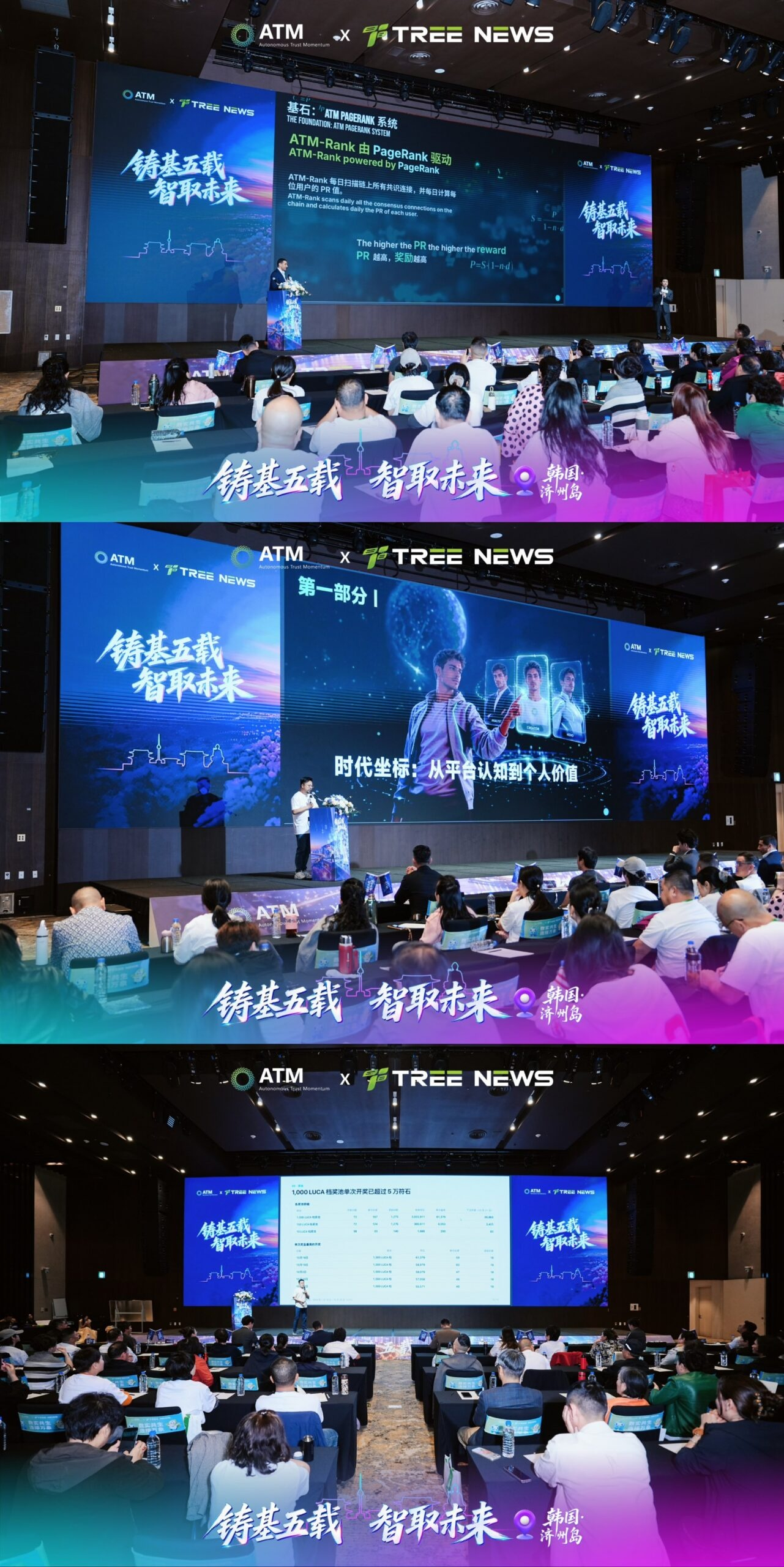
Lottfi used bilingual materials marking the fifth anniversary to review the development of consensus mechanisms, mobile access, gaming, travel, and AI, and to introduce next-stage explorations of the agent skills economy.
One presentation focuses on individuals and communities, while another looks at teams and ecosystems. Together, they offer two perspectives on understanding long-term development: platforms need to keep responding to users’ needs, while participants need to build experience and capabilities they can carry forward.
Agent applications: from calling capabilities to completing tasks and delivering results
The Admin team’s RGST presentation takes the discussion further, exploring how agents can take on specific tasks.
Using scenarios such as executing trading strategies and producing content like e-books and podcasts, the presentation explains the relationship between skill marketplaces, labor marketplaces, task execution, and outcome records.
The skill marketplace provides capabilities that can be installed and invoked, while the labor marketplace connects users with tasks that need to be completed. Users set goals, developers provide skills, agents do the work, and the platform seeks to support the associated review, publishing, and payment processes.
Alongside its introduction to these capabilities, the presentation also explains design features such as user permissions, stop conditions, isolated sandboxes, and record-keeping mechanisms. This takes the discussion beyond “What can agents do?” to “Under what authorization do they act, and how can their results be verified?”
The related examples should also be understood in light of the presentation’s notes: the trading segment is a replay using historical price examples, not a record of actual trades. Content revenue depends on the quality of the work, review, sales, and demand, and should not be presented as a universal outcome.
Bringing agents into practical applications means considering capabilities, permissions, delivery, and verification together.
IV. Beyond the conference venue: sharing the journey on the island brought a different rhythm to the conversations
After the themed conference, the island excursions on the 28th and 29th offered another setting for people to connect.
Presentations on stage usually need to be focused and concise, while time spent traveling together allows conversations to unfold at their own pace. Participants could move from a product question to a discussion of their work, or get to know people they had previously known only by name and role through shared experiences.
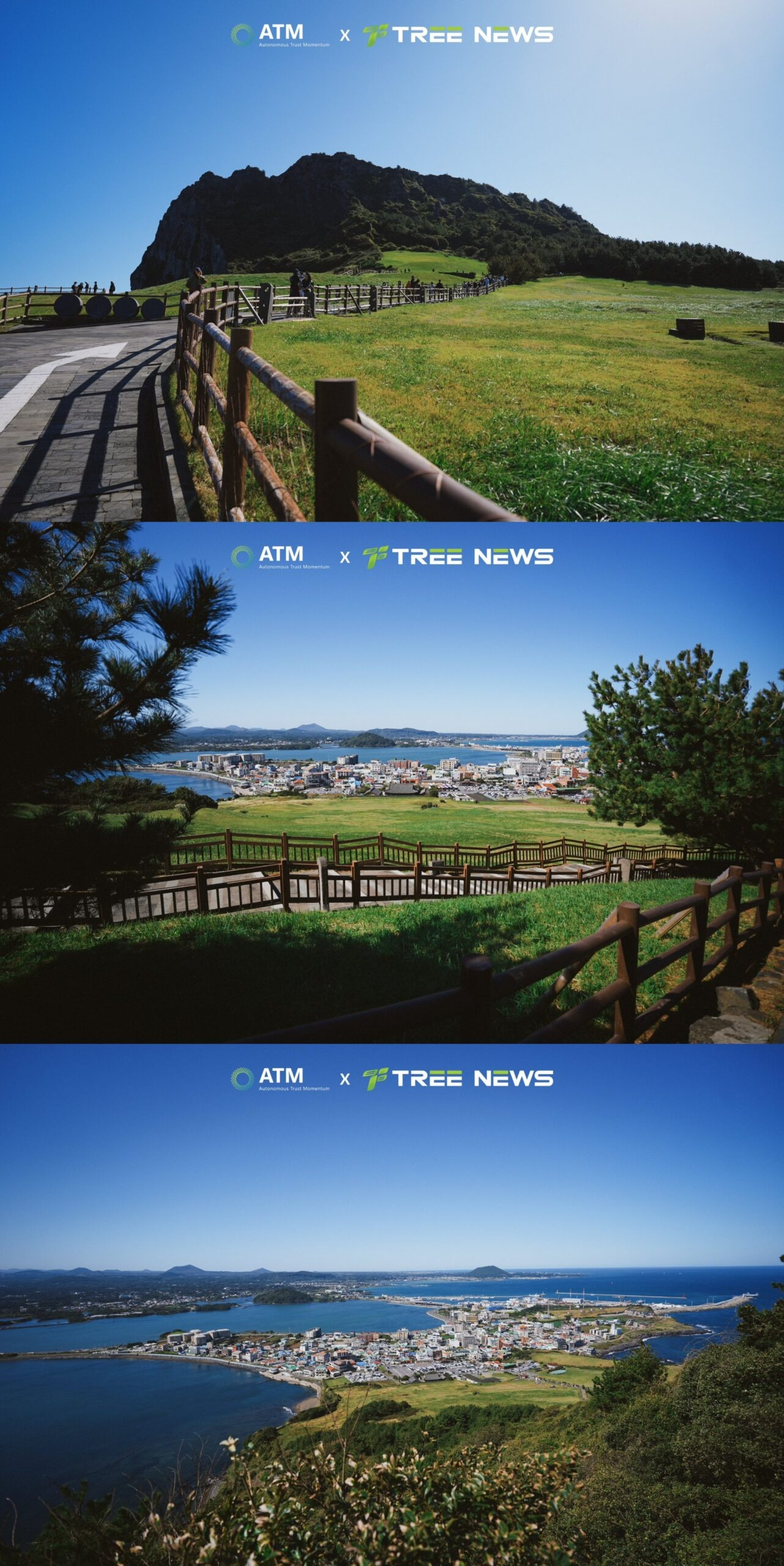
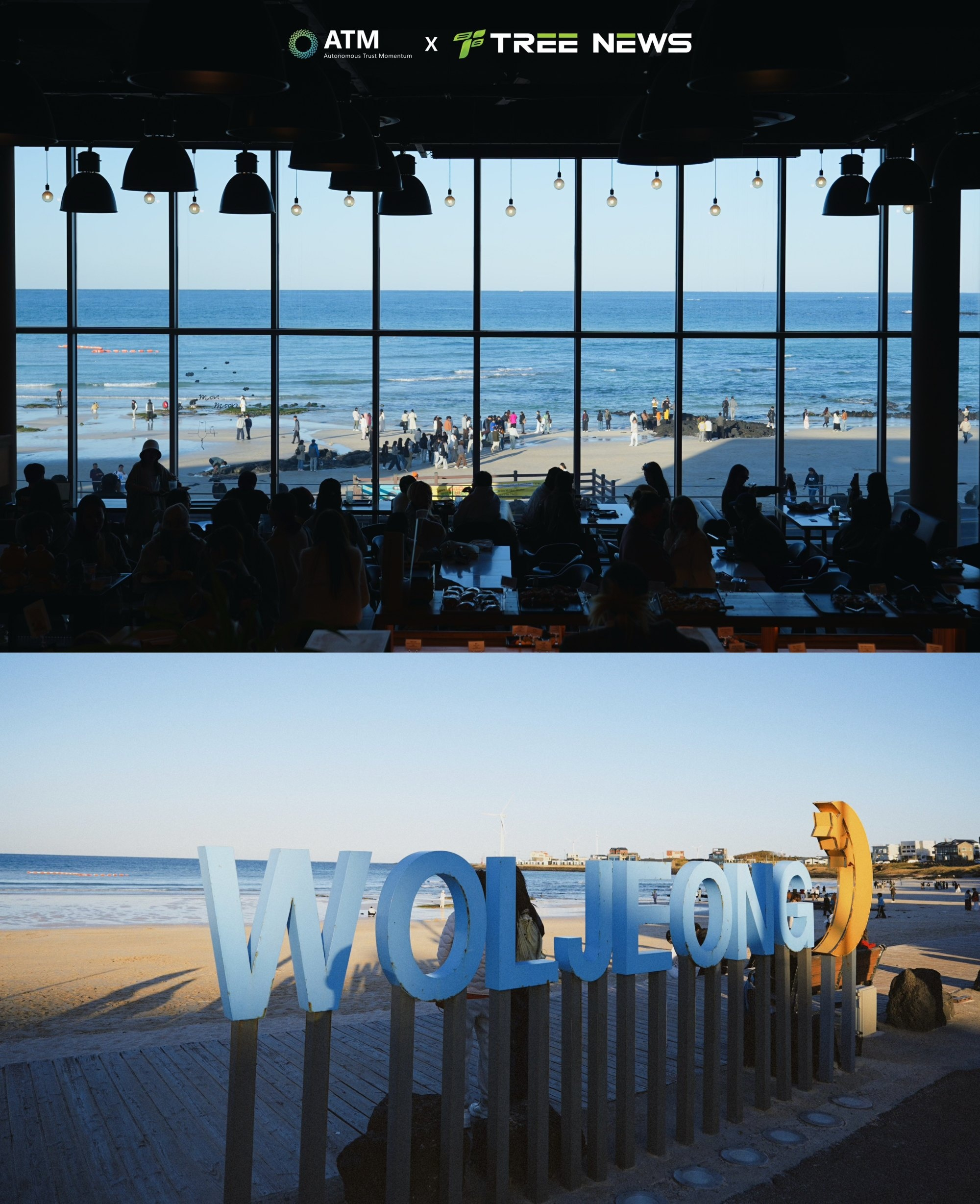
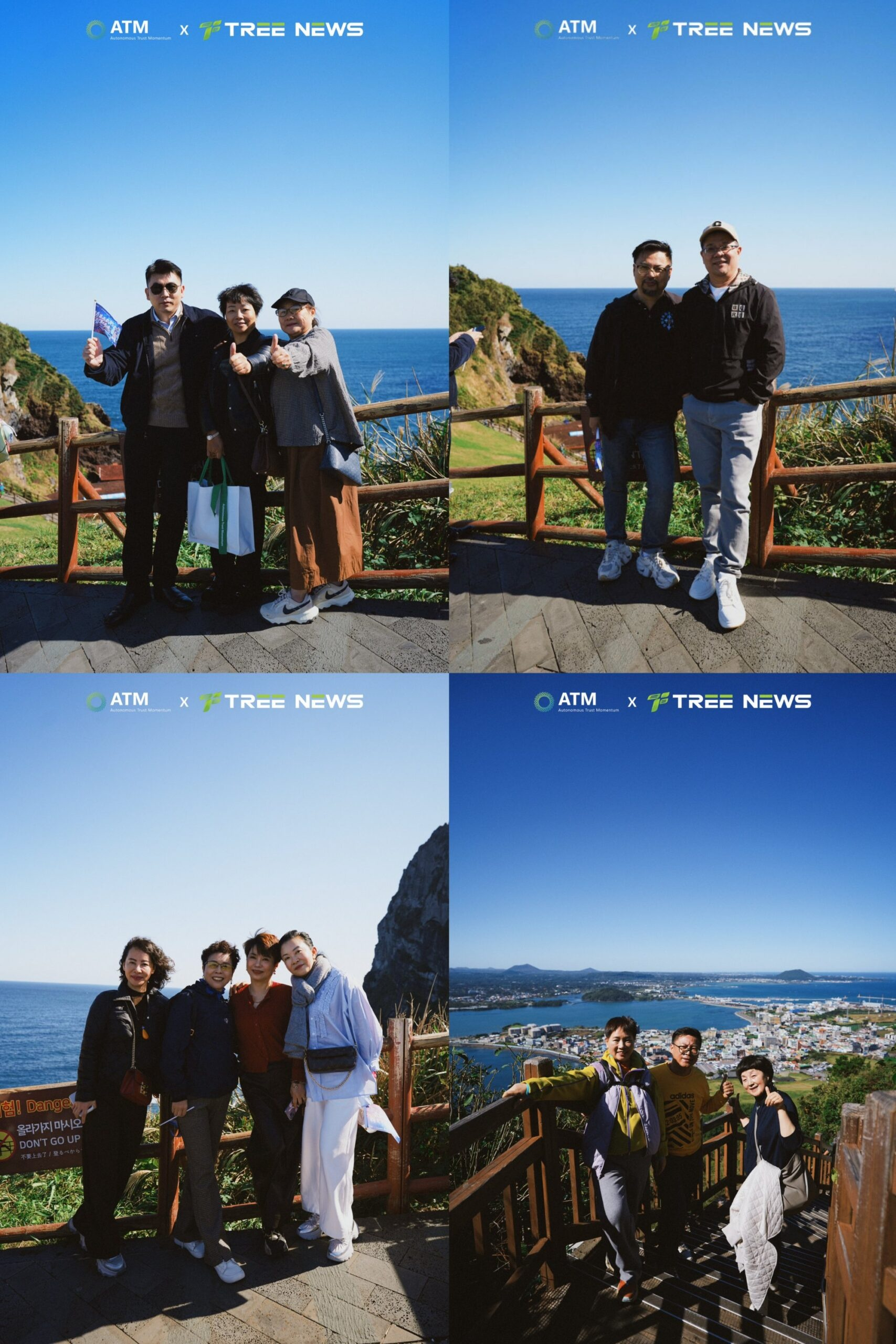
October 28: From Seongsan Ilchulbong to Woljeong-ri
The third day’s itinerary explored Jeju’s eastern coast, linking Seongsan Ilchulbong, Seopjikoji, and Woljeong-ri.
Compared with the tightly scheduled conference days, the island trip offered a slower pace. The mountain, coastline, and casual spaces along the streets provided a backdrop for spending time together, giving participants a chance to step away from talks and screens and get to know one another in a different way.
As the group moved from one place to the next, conversations did not have to rush toward a conclusion. Topics left unexplored at the conference could be picked up along the way, and there was time to understand new ideas through repeated conversations.
This time is valuable for event organizers, too. People attend gatherings not only to gain information, but also to learn who is doing the work, how they think, and whether there is reason to stay in touch.

October 29: From cultural visits to coastal leisure, extending shared experiences
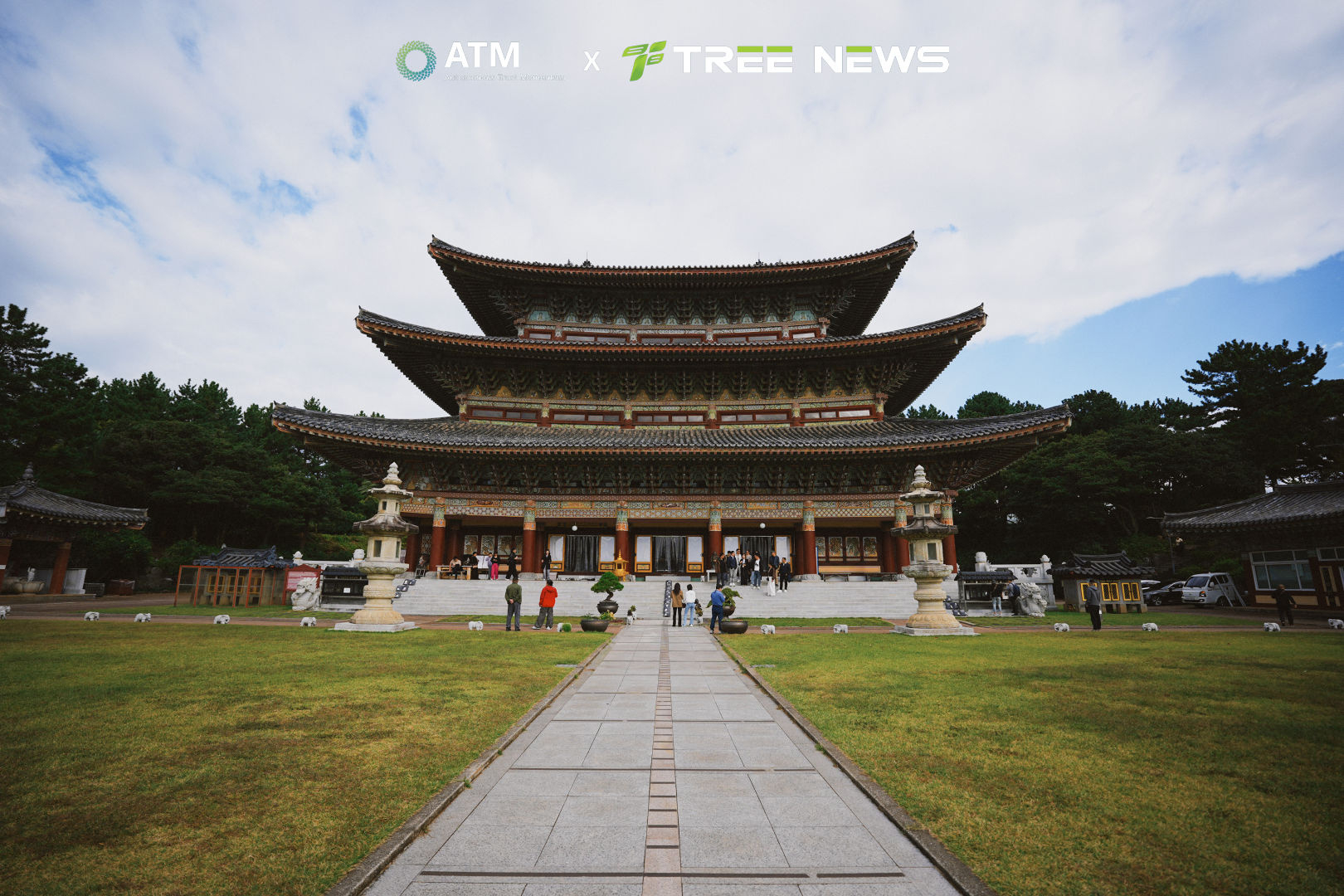
The fourth day’s itinerary combined cultural visits, city life, and time by the coast, with stops including Yakcheonsa Temple, the Korea Ginseng Museum, a local commercial district, and Handam Coastal Park in Aewol.
From relatively quiet visitor spaces to free time in the neighborhood and pauses by the coast, each setting gave participants room to choose how they wanted to connect.
Some people are more comfortable asking questions about specific issues, while others prefer to start with everyday conversation and get acquainted first. The value of spending several days together lies partly in accommodating these different rhythms and letting conversations arise naturally.
At the same time, shared experiences alone cannot replace an assessment of a product or potential collaboration. Getting to know someone can make communication easier, but understanding a specific commitment still requires clarity about needs, capabilities, and responsibilities.
Spending time together makes it easier to start a conversation, but whether collaboration continues depends on the details.
This is also the value of the “themed conference + island trip” format: it combines focused presentations with time for participants to reach their own understanding, continue their conversations, and form their own assessments.
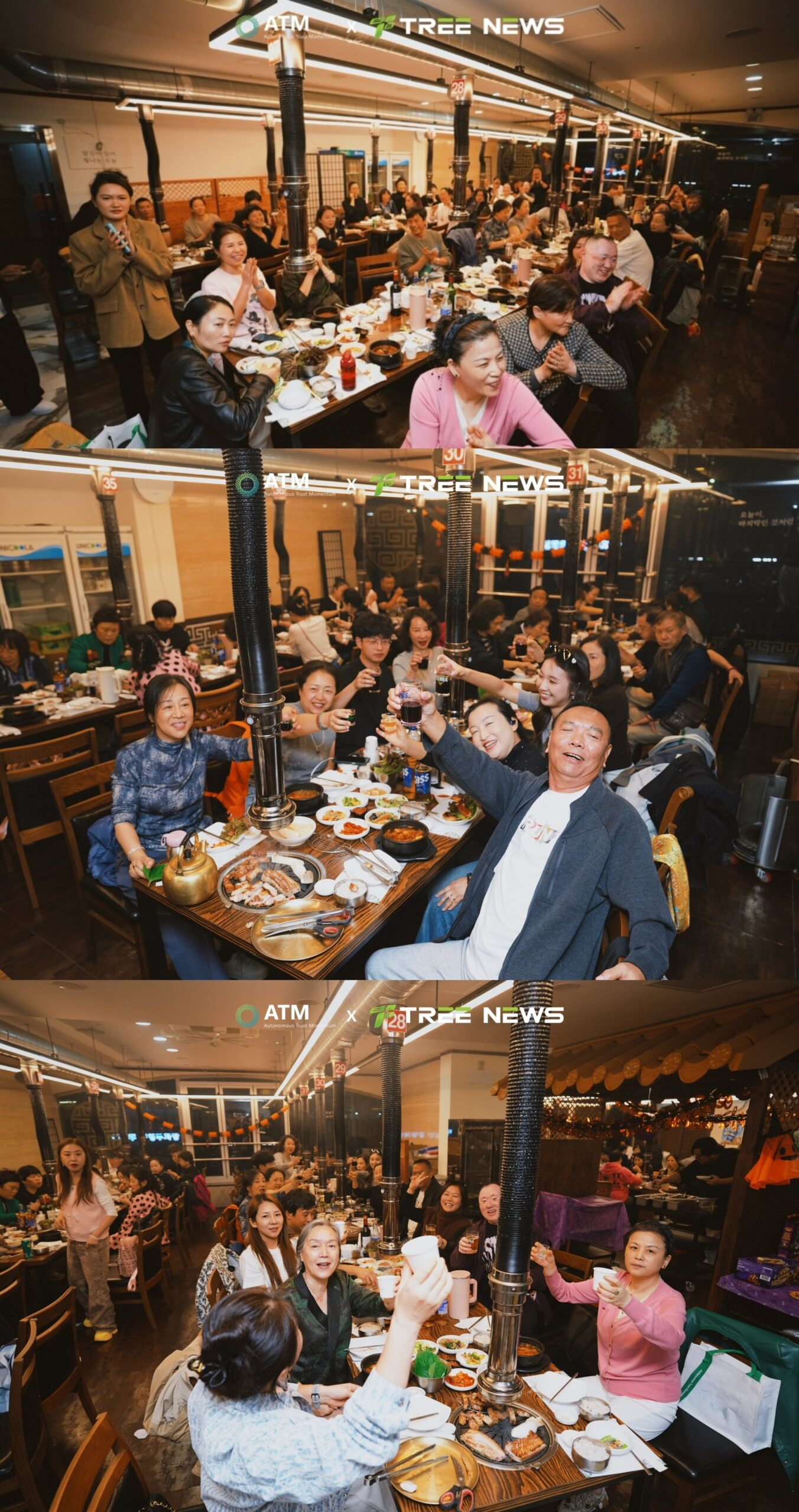
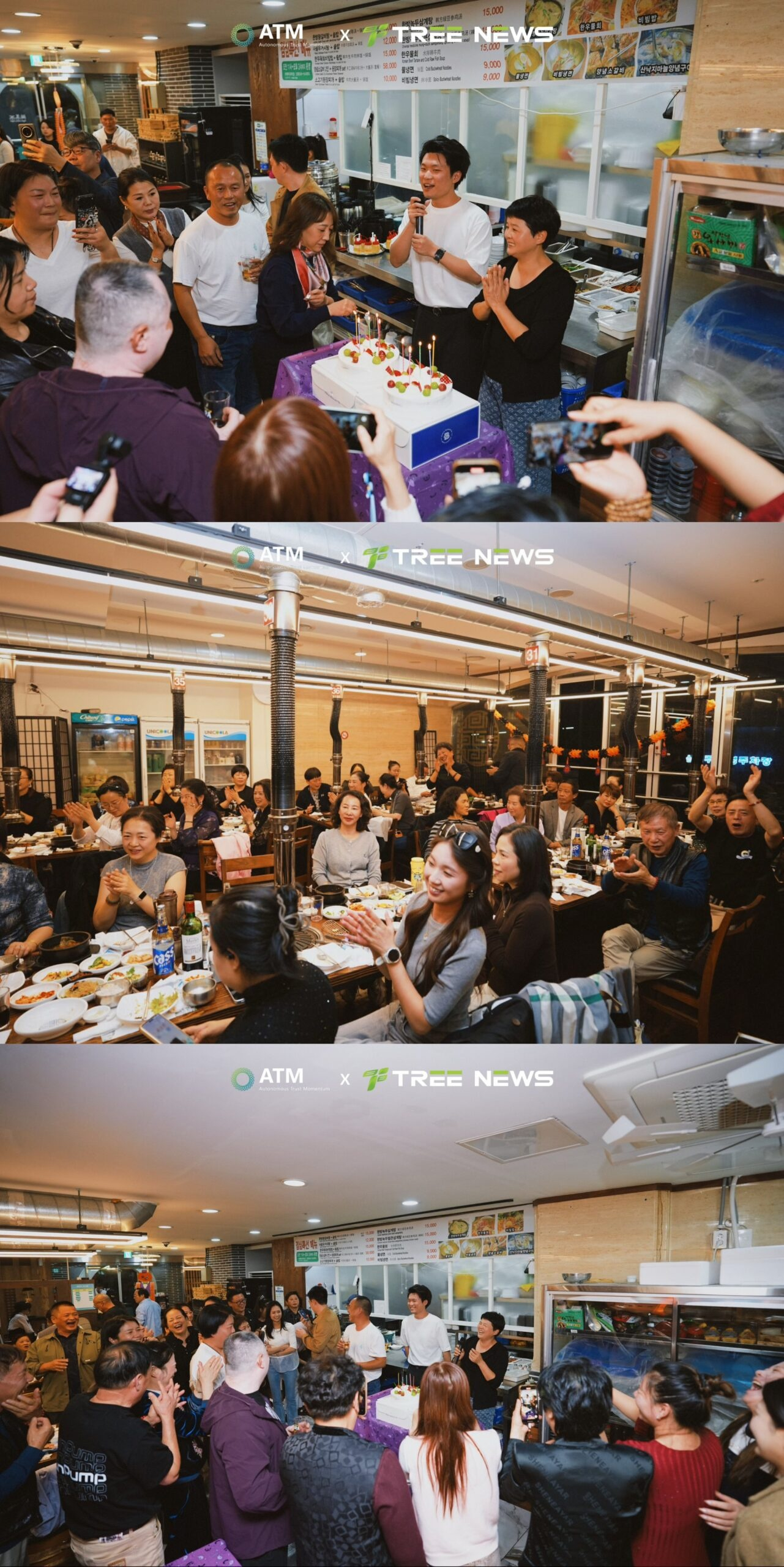
On the evening of the 29th, everyone gathered around the grill, continuing conversations from the past few days over barbecue and drinks. Birthday celebrations and the approaching Halloween festivities made the evening especially lively. Team leaders also took turns speaking and sharing, adding voices from different teams to the gathering.
From daytime excursions around the island to a relaxed evening together, everyone had more opportunities to get to know one another and create a shared memory of their time in Jeju.
V. Setting out from Jeju: helping content and connections continue to grow
From the conference venue to the coast, the Jeju trip showed different sides of industry exchange.
The themed conference gave participants a focused introduction to technology directions, product progress, and team plans. Traveling together afterward brought conversations into a more everyday setting, helping people fill in the background, get to know one another, and make time for topics they had not yet explored.
By bringing content and in-person gatherings together, TreeNews hopes to foster ongoing interaction: bringing developments in the industry to the people on the ground, and bringing questions raised on the ground back into its content.
For participants, the value of an event might be a clearer understanding of a product, someone they can continue to turn to with questions, or a fresh perspective on a particular direction.
Not all of these takeaways become apparent on the spot. Some need to be tested through later use; others require further discussion at a future gathering. A meeting can provide a starting point, but connections endure because of what happens afterward.
“Seeing the future unfold” also means getting closer to the people who are trying new things, understanding the problems they face, and continuing to document the results of their work.
From its earlier tours of universities and cities to its first overseas stop in Jeju, TreeNews will continue connecting builders and community partners from different backgrounds through content, events, and face-to-face conversations. Its aim is to bring more valuable experience to light and create opportunities for new conversations to continue.