

Looking at the on-chain ecosystem today, the vast majority of DApps offer highly similar experiences: DEX trading, staking, and liquidity mining, all using high annualized returns to attract users. Users show up just to farm yields, then leave as soon as returns decline. It’s hard to build a base of genuine users, and projects often have very short lifespans. Many developers are left wondering: beyond trading and mining, what else can DApps do to stand out?
The real strength of DApps has never been conjuring up high yields out of thin air. It lies in several features inherent to smart contracts: users own their assets, rules are fixed and cannot be tampered with, returns are settled automatically, and rights can be freely transferred. Many established projects have already put these capabilities into practice, moving beyond the cutthroat mining race. Let’s take a look at a few notable real-world examples.
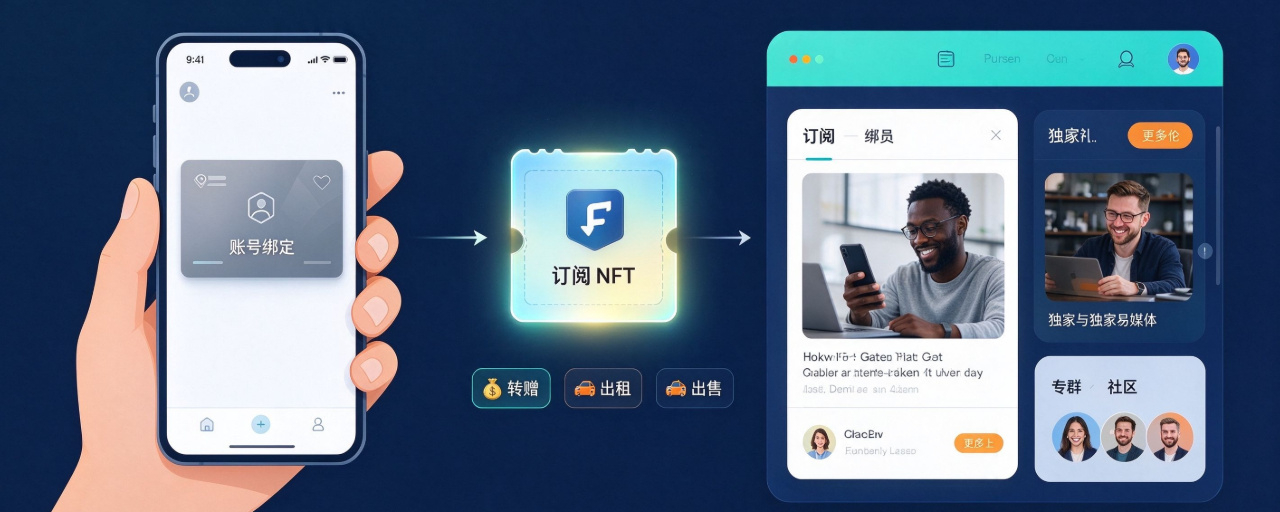
First direction: Token-gated, transferable on-chain memberships that turn subscription benefits into assets. A representative project is Access Protocol, deployed in the Solana ecosystem. The video and publication subscriptions we use every day are all tied to our accounts. They can’t be given away or resold, and they simply expire when the subscription ends. Access Protocol takes a different approach: users stake the platform token ACS to receive an NFT representing subscription access. Holding this NFT unlocks paid publications and exclusive media content. The biggest difference from traditional memberships is that the subscription NFT itself is an on-chain asset that can be gifted, rented, or traded secondhand. If you no longer want to access the content, you can transfer your subscription pass to someone else or list it for sale. Many Web3 media outlets and independent creators are already using this approach to turn paid content into a transferable benefit, so users are no longer just passive consumers. Another project of this kind is DSCVR, a social DApp in the ICP ecosystem. It lets communities set NFT-based entry requirements, so only users who hold a specified NFT can post in certain sections and claim perks, helping build private, community-based spaces.
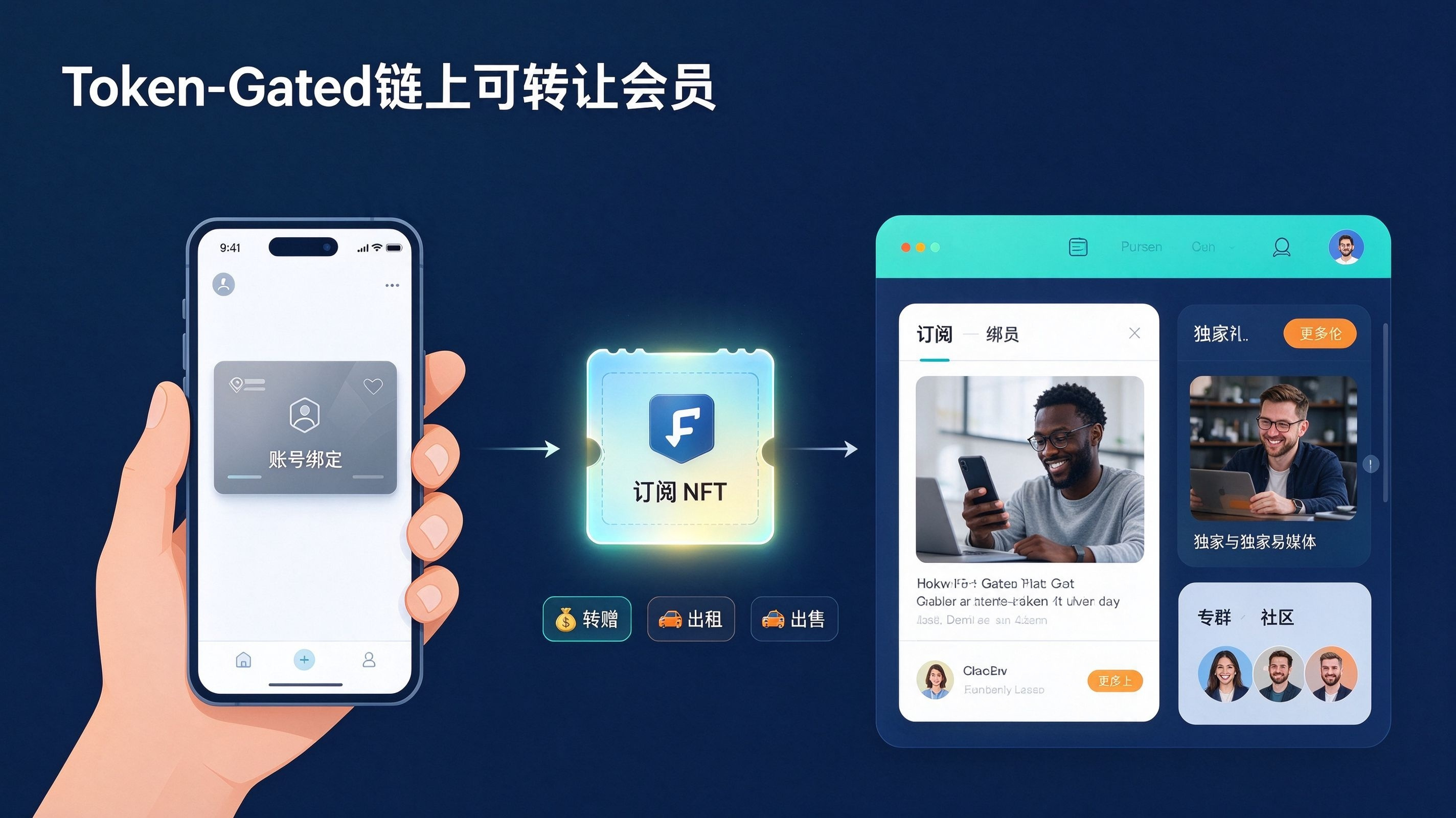
Second direction: Automatic creator revenue sharing, reshaping the content revenue chain. Typical projects include Audius and Mirror. Audius is a decentralized music-streaming DApp. On traditional music platforms, the platform takes most of the revenue share, leaving musicians with limited earnings, while the payment process is cumbersome. On Audius, musicians upload their work directly, bypassing the hefty commissions charged by intermediaries. Creators can also issue their own exclusive tokens. After fans buy the tokens, they can continue to share in the song’s future streaming revenue, which is distributed automatically by smart contracts. The work’s NFT can also be configured with on-chain royalties, so creators receive a share every time it changes hands. Mirror, meanwhile, is a decentralized writing platform where articles are stored on Arweave, a permanent storage network. Authors can mint their articles as NFTs, which readers can collect and tip. All proceeds from tips and sales are divided transparently on-chain, making it ideal for independent bloggers and creators of long-form content.
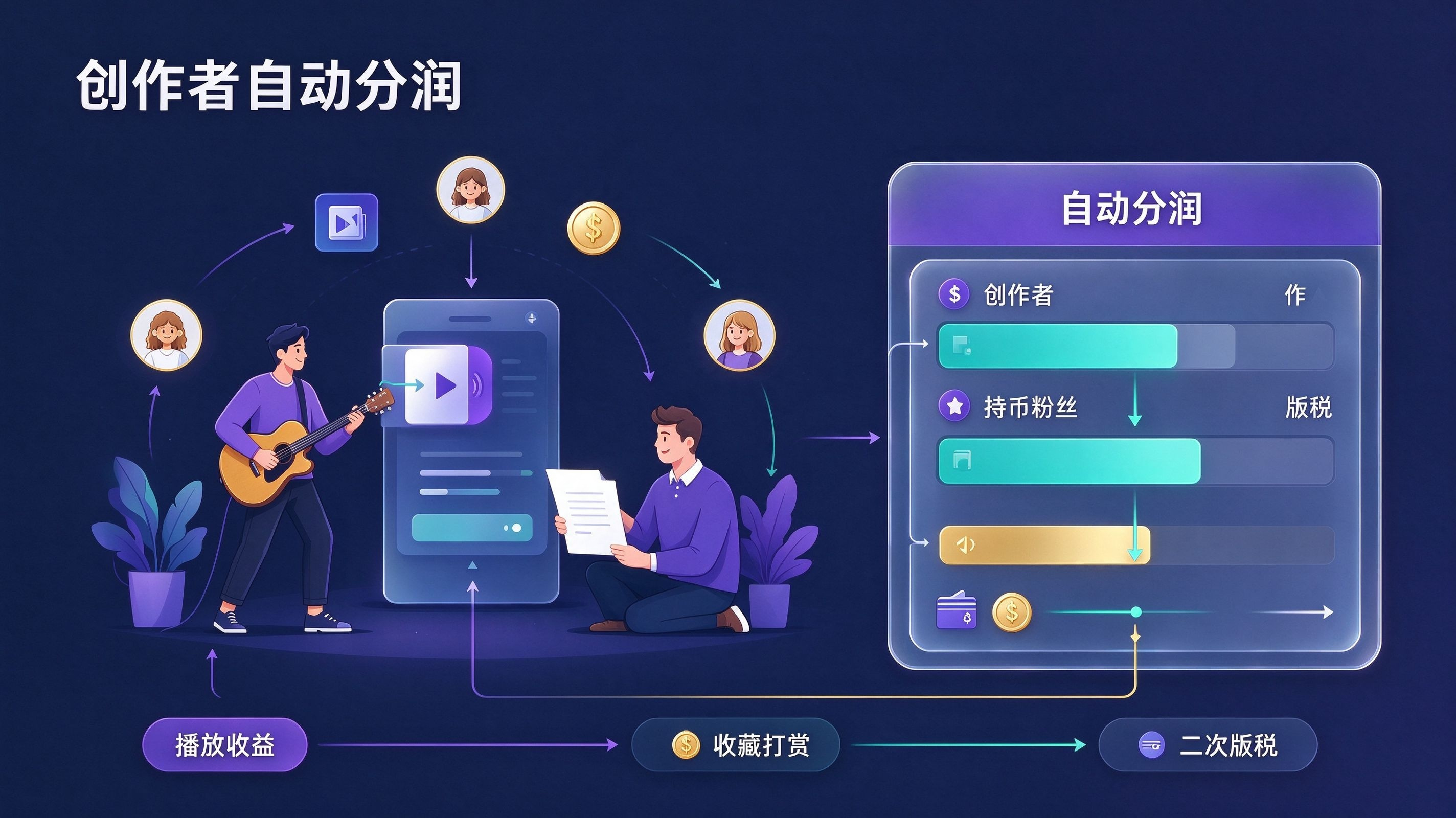
Third direction: Fractionalized RWAs, allowing ordinary people to invest small amounts in high-value assets. A representative project is ArkHive. Fine art, film and television rights, and high-end collectibles have steep barriers to entry, making it difficult for ordinary people to invest in them. ArkHive fractionalizes high-value assets such as paintings and music rights into tokens. Instead of paying for an entire collectible, users can buy a small fraction of it and continue to share in the royalties and auction proceeds the asset generates, in proportion to their holdings. Smart contracts distribute the dividends automatically, eliminating manual calculations and reconciliation. The same approach is also being applied to real estate. Some RWA real-estate demo projects tokenize property rights, with AI agents monitoring rental payments. Once rent comes in, smart contracts automatically distribute the proceeds to all fractional token holders.
Fourth direction: Combining AI and DApps to turn strategies and AI assistants into tradable assets. A representative project is Daimon. Familiar trading strategies and AI assistants are generally tied to an account and can only be used by the account holder. Daimon turns AI trading assistants into NFT assets. Users can train an AI’s trading logic and risk preferences to create their own on-chain assistant, which automatically monitors the market and sends trading alerts. More innovatively, a trained AI assistant NFT can be rented out or resold. It is effectively a mature trading strategy that can be packaged and sold to other users, turning intellectual work into a tradable asset.
Fifth direction: On-chain co-creation and automated revenue sharing. Representative projects include BasePaint and Splits. BasePaint is a fun, collaborative DApp. For a small gas fee, users can draw a single tile on a shared pixel-art canvas. Once the entire canvas is filled, it is automatically minted as a collection NFT. Proceeds from subsequent NFT auctions are automatically distributed among all participating artists according to their respective contributions, using smart contracts to enable collective creation and shared earnings. Splits, meanwhile, is a utility DApp popular with DAOs and creative studios. Teams can set fixed revenue-sharing percentages in a smart contract in advance. When funds are transferred to the contract, the system immediately pays out the preset shares to founders, designers, and partners. Fund flows are public and the rules cannot be tampered with, eliminating the hassle of repeated reconciliations and manual payments.
Looking at these examples, it’s easy to see what they have in common: they don’t attract users through mining with sky-high APYs. Instead, they use blockchain to solve real-world pain points: subscription benefits that are difficult to transfer, creators being squeezed by platforms, high barriers to investing in valuable assets, and the hassle of splitting and reconciling team payments.
Developers should also remember that innovation doesn’t mean blindly piling on features. Whatever kind of DApp you build, smart-contract security is essential, and you should always get an audit before launch and keep administrator permissions separate from treasury permissions. Tokens are just supporting tools. Start by identifying real user needs and building sustainable use cases. That’s how a DApp can move beyond short-term speculation and keep running over the long term.