
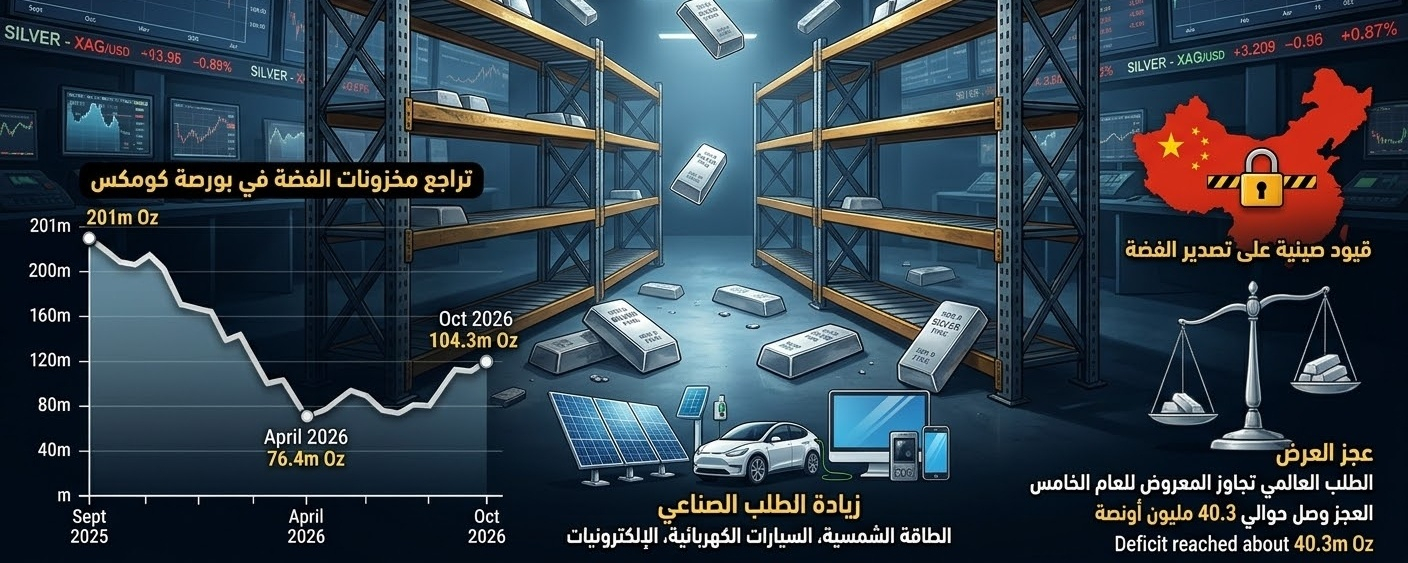




In the silver market, there’s one figure we need to keep a close eye on: the registered inventories at the U.S. COMEX exchange. They fell from around 201 million ounces in September 2025 to 76.4 million ounces in April 2026, before partially recovering to around 104.3 million ounces by the end of October.
So despite the recovery, inventories are still far below their previous levels.
Okay, so why is this number important? ⬇️
Because these inventories are part of the silver that’s certified and available for physical delivery against futures contracts. When these quantities drop significantly, it makes the market worry about any sudden increase in demand for silver.
What makes this even more important is that demand for silver doesn’t come only from investors. Industries like solar energy, electric vehicles, and electronics also consume huge amounts of it.
China, which contributes around 13% of global silver production, also began implementing a new silver export licensing system in January 2026. It has designated only certain entities as eligible to export during 2026 and 2027.
This doesn’t mean China has banned silver exports, but the additional procedures and restrictions could affect the flow of supply available on global markets 🍆
At the same time, global demand for silver exceeded supply for the fifth consecutive year in 2025, with the deficit reaching around 40.3 million ounces. Forecasts point to the deficit continuing in 2026.
But there’s one thing we should keep in mind: declining inventories don’t mean that the COMEX exchange has been unable to deliver silver, and there are no documented cases of delivery failure.
But we should know that the silver market faces a real challenge in balancing supply and demand, and any further increase in demand or disruption to supplies could have a significant effect on prices.
That’s one of the reasons silver tends to move more sharply than gold, both up and down 📈
#USMidtermElections #BinanceRestores28FiatWithdrawals #BinanceProcesses$4.65BWithdrawals 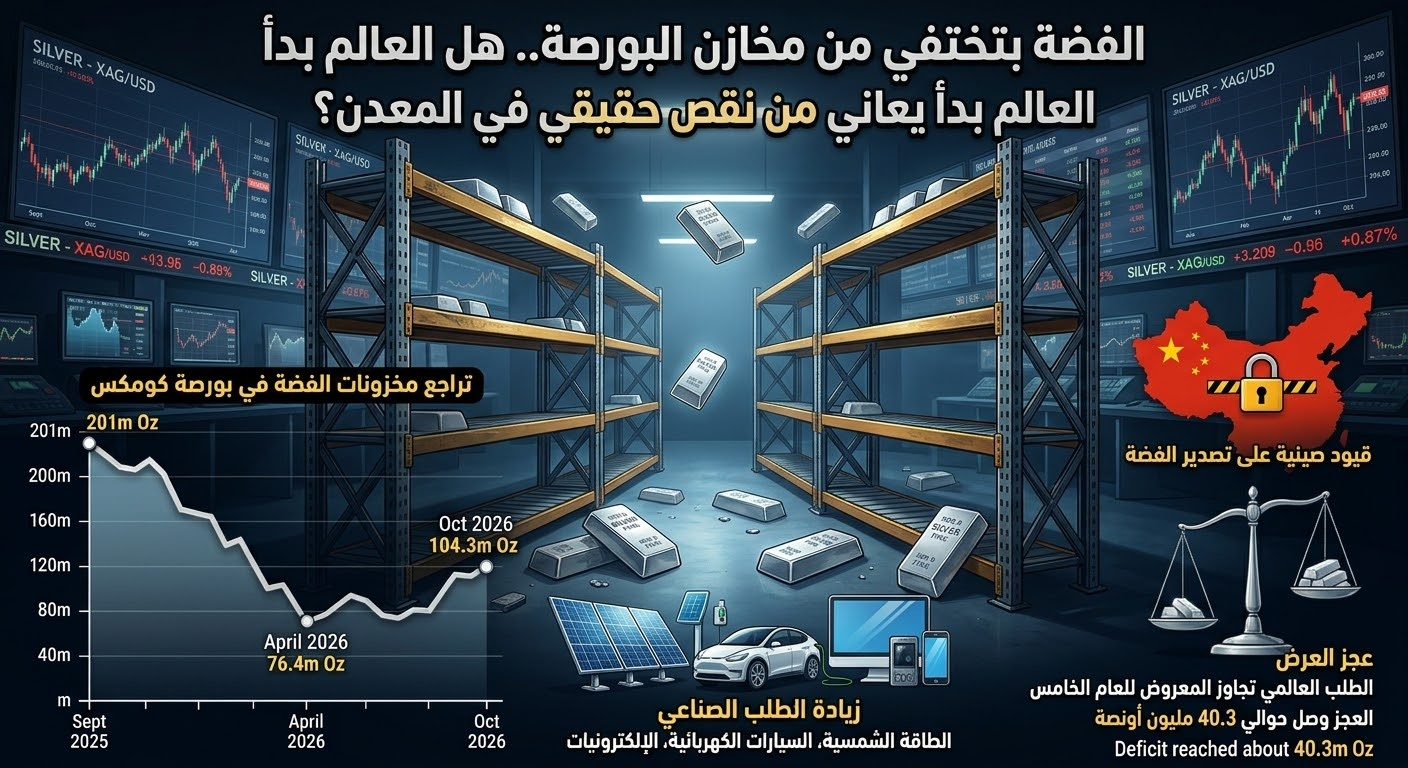
✅@mshabaka