

Sherry长得帅不如跑的快1688
 Square Verified
Price is the surface — conviction wins the game. 13y in the trenches. Hard data, sharp calls, no shilling. I read the next move before the crowd. 📊
Open Trade

BNB Holder
Occasional Trader
7.7 Years
781 Following
31.3K+ Followers
14.5K+ Liked
Posts
Portfolio
All
Quotes
Live

周周1688
·
--
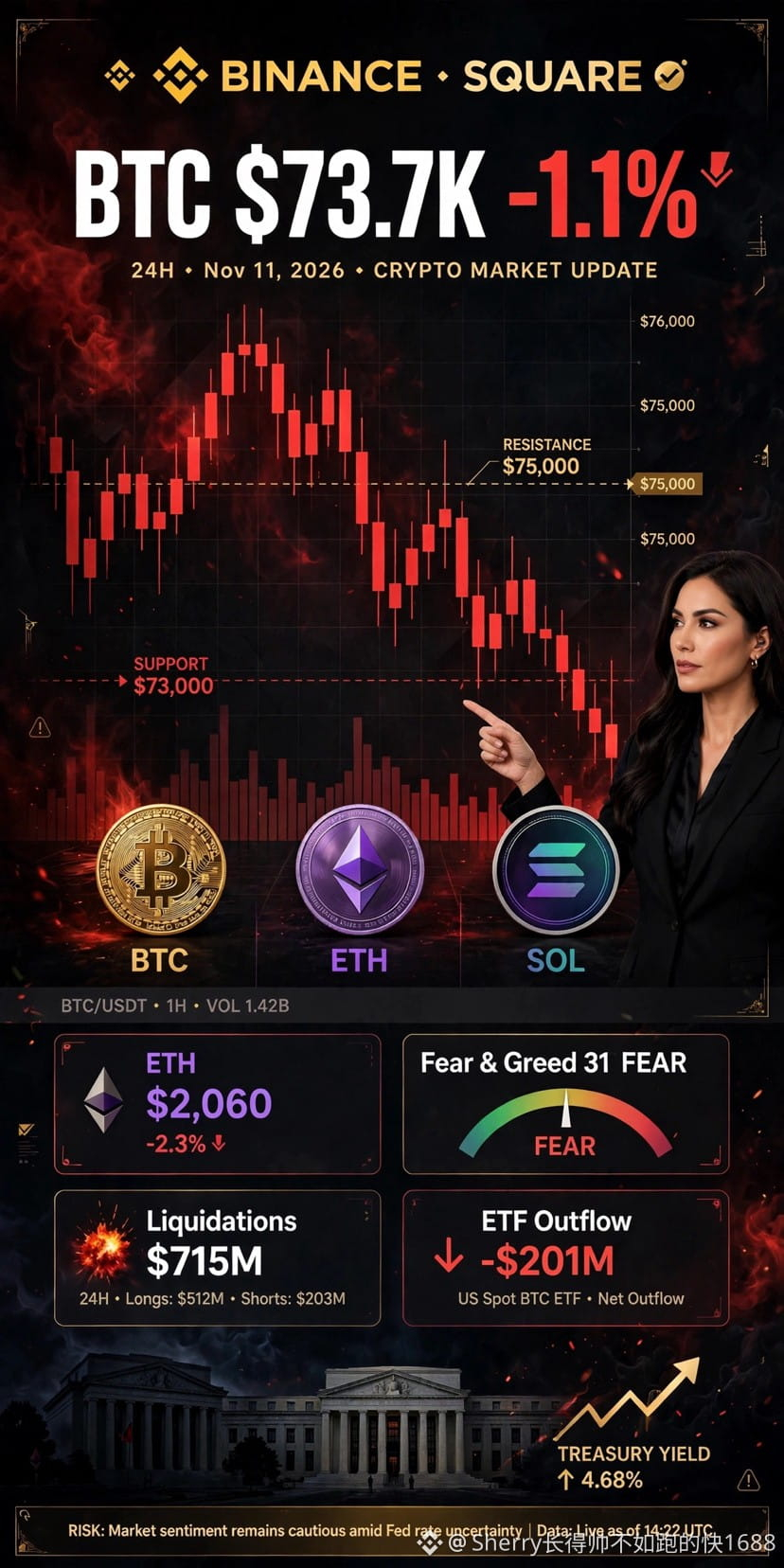
🇨🇳 Nov 11 | Crypto Market Brief
$BNB 🧧
Inflation is heating up again, while market risk appetite continues to cool.
📊 Market Overview
BTC: $73,700–73,900
ETH: $2,055–2,065
SOL: $82.8–83.2
BNB: $679–681
The total crypto market cap is approximately $2.45–2.50T, BTC dominance is around 60%, and the Fear & Greed Index is 29. The market remains in the Fear zone. BTC is holding up relatively well, while ETH and SOL are under greater pressure.
🔥 Today's Highlights
1️⃣ U.S. inflation exceeds expectations; expectations for a December rate hike rise
The U.S. October CPI rose 0.4% month over month, above the market expectation of 0.3%. Core CPI rose 0.3%, also above the expected 0.2%. This marks the third consecutive month of rising core inflation.
Because data for October last year was not collected during the 2025 government shutdown, the BLS was unable to publish this CPI's year-over-year figure.
Inflationary pressure is picking up again, and the market has significantly increased its bets on a December Fed rate hike. Some traders are even beginning to consider the possibility of a 50-basis-point hike. Expectations of higher interest rates are weighing on BTC and other risk assets.
2️⃣ Continued outflows from spot BTC ETFs
On November 10, spot BTC ETFs saw net outflows of about $95M, according to some tracking data, marking a fourth consecutive trading day of outflows. Total net outflows over the past five trading days were about $1.06B.
BlackRock's IBIT was one of the main sources of outflows. ETF assets remain close to $93B, but short-term institutional demand has cooled noticeably.
3️⃣ Bitmine posts huge paper loss but continues betting on ETH
Tom Lee's Bitmine reported fiscal-year results through August 31, 2026, with a net loss of about $6.31B, including approximately $6.23B in unrealized losses on digital assets.
As of the end of August, the company held about 5.9 million ETH, with a fair value of approximately $14.56B, representing about 4.9% of ETH's circulating supply at the time. It is still working toward its goal of holding 5% of the ETH supply.
Note: These are primarily paper losses caused by falling asset prices and do not represent an equivalent cash outflow.
4️⃣ Initia hit by another security incident
Layer-1 project Initia was attacked for the second time in less than three weeks. The attackers used stolen cloud credentials and a command injection vulnerability to transfer approximately $3.27M in crypto assets.
#1688Familyfamily #BlueFriend1688 #Crypto #Binance #BNB


Mahi_玛希BNB
·
--
BearishEthereum is one of those coins I never stop watching. 👀
ETH doesn't always need a big green candle to show its strength. Sometimes the most interesting moves happen when the market is quiet and everyone is waiting for direction.
I'm keeping an eye on Ethereum's next move, especially how buyers react around important support and resistance zones.
One thing I've learned in crypto: patience is just as important as timing.
What do you think? Is ETH preparing for another strong move, or does it need more time to recover?
$ETH $BTC $BNB $SOL $XRP
#Write2Earn #ETH #CryptoCommunity #BinanceSquare #CryptoMarketMoves


白鲨观点VN
·
--
The U.S. stock market is about to hit a broad-based bottom. Get ready within 48 hours!
- Medium-term allocation to U.S. stocks:
$SNDK 630~530
$NVDAB 165~155
=> 50% upside target
- Accumulate positions in the range of $BTC 74.4~72.5 => Long-term target: 200k~300k
#baisha
- Medium-term allocation to U.S. stocks:
$SNDK 630~530
$NVDAB 165~155
=> 50% upside target
- Accumulate positions in the range of $BTC 74.4~72.5 => Long-term target: 200k~300k
#baisha


静静Emily
·
--
Bullish#CPI前瞻,12月利率走向迎关键考验 On the eve of the CPI release, we get news like this—what are they up to?
According to Onchain Lens, BlackRock transferred approximately $318.36 million in crypto assets from its ETF wallet to Coinbase over the past 30 minutes, including 2,252 BTC (approximately $166.94 million) and 72,210 ETH (approximately $151.42 million).
Just my personal opinion: are they getting ready to dump? Can I still hold my $BTC $BNB spot?

Fabi_4043
·
--
Have a great week 🥰🥰
Follow my profile and like 🧧🧧🧧
$BNB
#HotCPIDecemberHikePriced
Follow my profile and like 🧧🧧🧧
$BNB
#HotCPIDecemberHikePriced

Cryptology_7
·
--
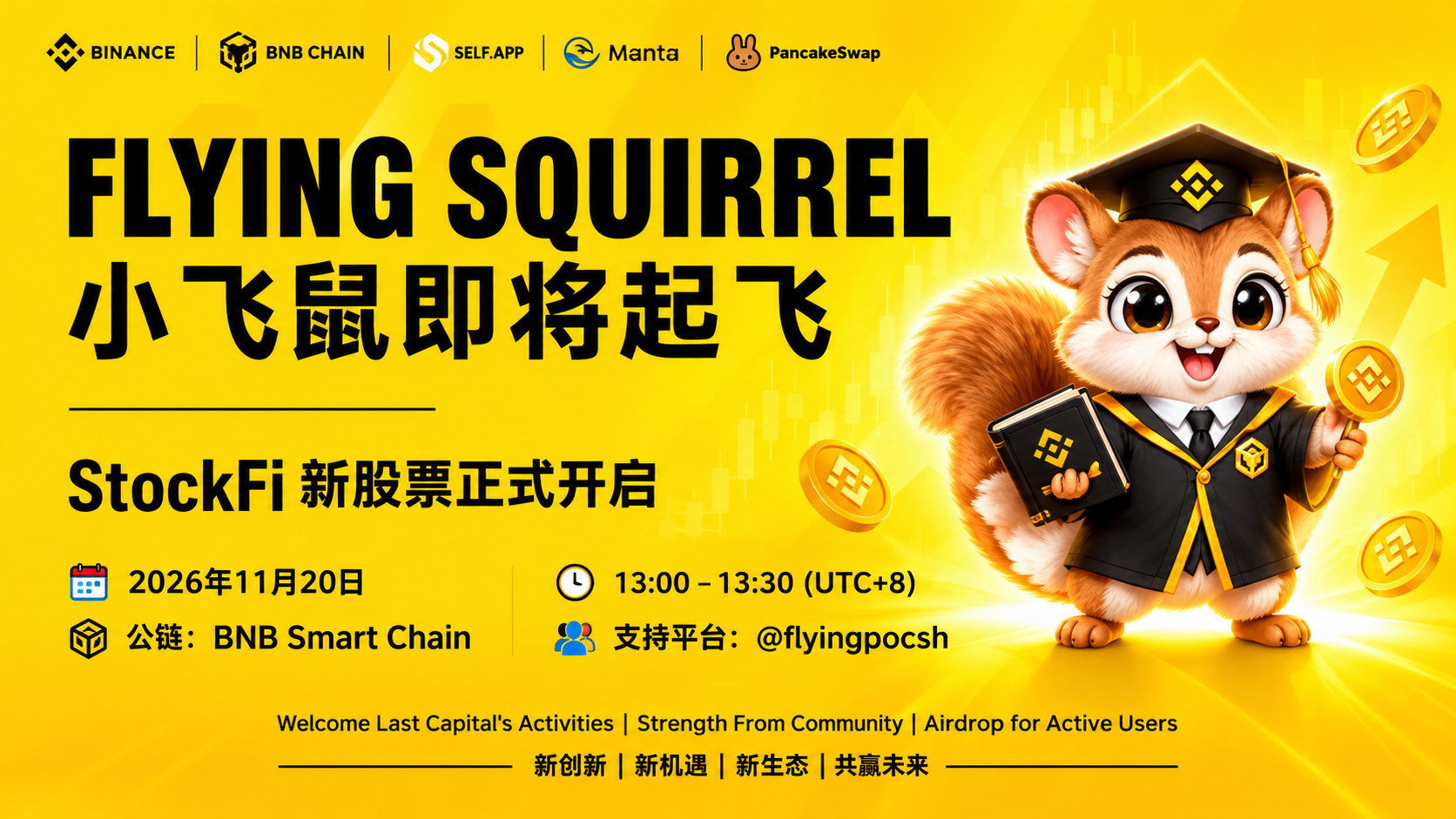
StockFi Begins a New Chapter OF XFS. 🚀
The future of traditional stocks and on chain finance is taking shape. Flying Squirrel is launching on BNB Smart Chain, with its FLAP platform launch scheduled for November 2, from 15:00 to 19:00.
Backed by institutions and capital, the project focuses on strategic development, long-term value, and ecosystem growth.
As a co-building community, Mars Guild continues to bring people together, support talent, and strengthen the ecosystem.
The next chapter of StockFi is beginning.
@火星公会-灵汐 @Eman098 @大丽7613
#binanceWeb3 #Web3Token

王婷-光明社区
·
--
BullishYou don't have to be defined by gentleness; autumn can be cool and fierce too. Face the wind and run toward your own wide-open wilderness.
#CPI前瞻,12月利率走向迎关键考验
#LUCIC
#CPI前瞻,12月利率走向迎关键考验
#LUCIC


Dafoor
·
--
comment 7 to get your bonus. 🧧🎁


E L E X A
·
--
🚨 IT’S LIVE 🚨
Watching is simple… but winners take action 👀
🎁 Want FREE $USDT?
💬 Comment 888
❤️ Like
🔁 Share
➕ Follow
#Crypto #USDT #Giveaway
Watching is simple… but winners take action 👀
🎁 Want FREE $USDT?
💬 Comment 888
❤️ Like
🔁 Share
➕ Follow
#Crypto #USDT #Giveaway


MR-DILJALE
·
--
🎁🎁🎁🎁🎁 BTTC RED PACKET 🎁🎁🎁🎁🎁
COMMENT ON IT
SHARE IT
LIKE IT
TO CLAIM🎁🎁🎁🎁🎁
COMMENT ON IT
SHARE IT
LIKE IT
TO CLAIM🎁🎁🎁🎁🎁


king Gulfam
·
--
Bullish#Futuersiganl
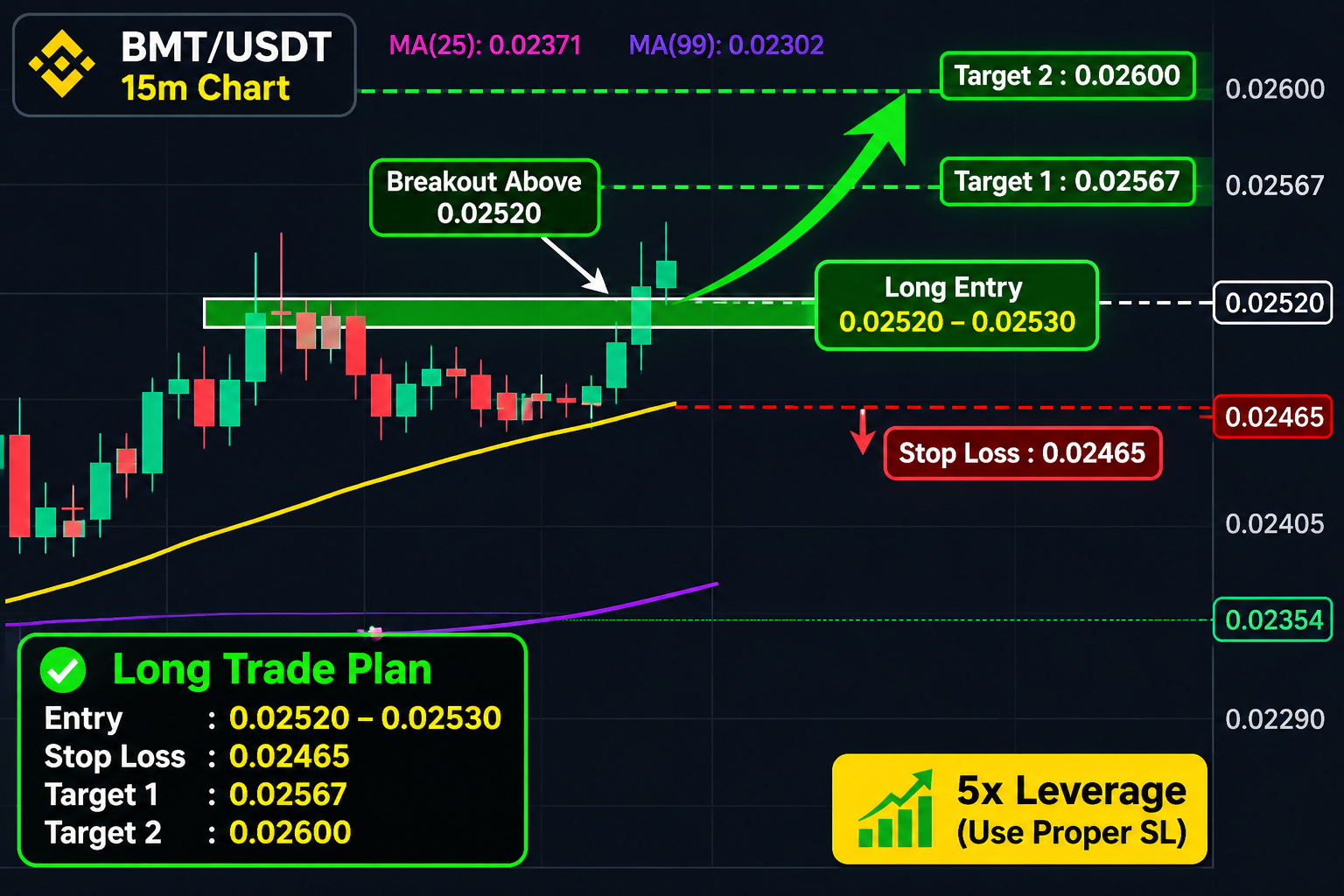
BMT Futures Trade Setup
LONG Setup
Entry: 0.02520–0.02530
Stop Loss: 0.02465
TP1: 0.02567
TP2: 0.02600
Risk Management
Leverage: 3x maximum for a cautious approach.
Risk: Account ka 1% per trade.
Stop Loss zaroor lagayein.
Confirmation ke bina entry na lein.
$BMT
$BNB
$BTC
BMT Futures Trade Setup
LONG Setup
Entry: 0.02520–0.02530
Stop Loss: 0.02465
TP1: 0.02567
TP2: 0.02600
Risk Management
Leverage: 3x maximum for a cautious approach.
Risk: Account ka 1% per trade.
Stop Loss zaroor lagayein.
Confirmation ke bina entry na lein.
$BMT
$BNB
$BTC

AbdullRauf
·
--
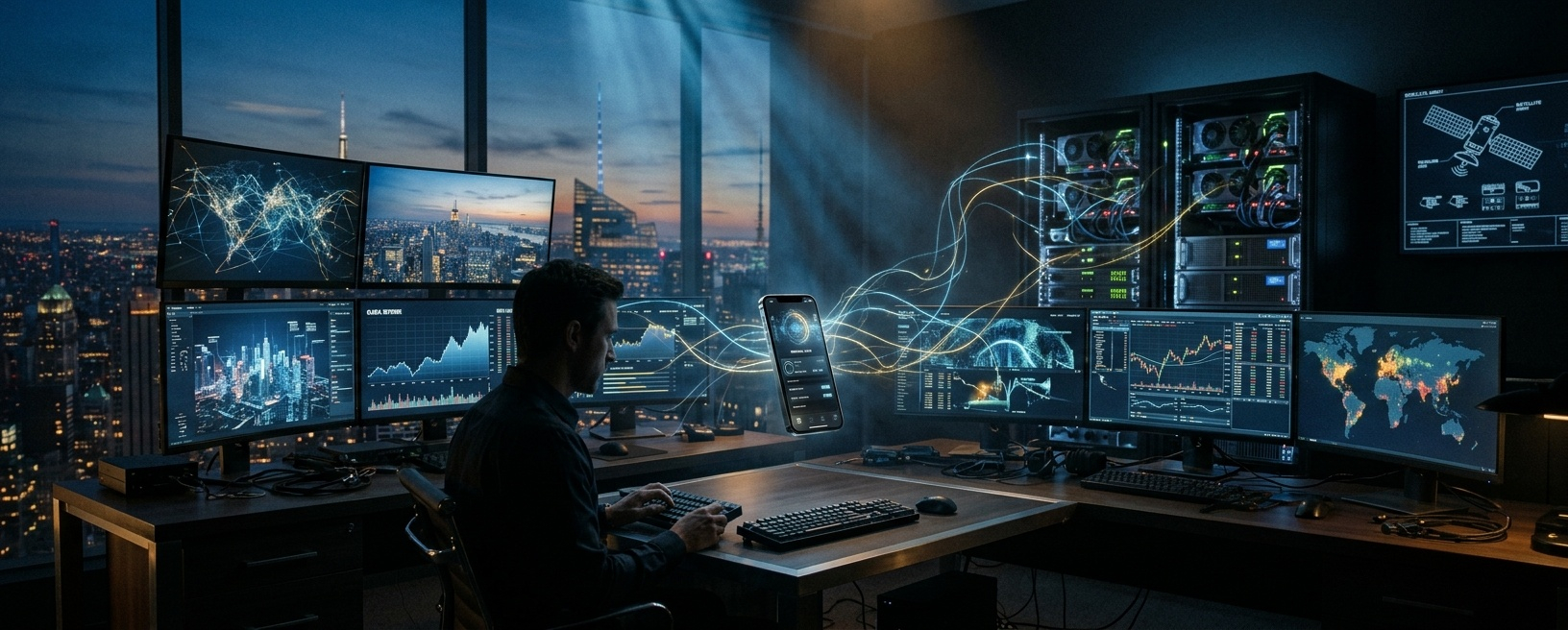
DePIN Mindshare Holds 5.76% as Acurast and Phase Advance Smartphone AI Compute
Fear sits at 29 on the index and the tape still feels heavy. Most traders I talk to are treating every bounce as a chance to lighten risk. Yet infrastructure narratives keep finding buyers. You’ve probably noticed the pattern: pure speculation gets punished while anything tied to real compute demand holds up better than it should. DePIN’s watchlist share is sitting at 5.76%. That is not noise. RENDER is leading the pack at 0.676% share and printing relative strength against the majors. At the same time, Acurast and Phase are pushing smartphone-based AI inference and agent connectivity into production territory. The cost curve for decentralized inference is starting to look different.
Let me explain why this matters right now.
Why the Setup Matters
The broader market is in selective risk mode. Capital is not disappearing; it is simply refusing to fund stories that lack utilization data. ETF flows into majors remain cautious, whale activity is quieter than earlier cycles, and most altcoins are still trading like they need a catalyst just to stay flat. Against that backdrop, DePIN names are behaving like they already have one.
RENDER’s short-term price action has been constructive while Bitcoin and Ethereum chop. TAO and FIL are showing similar relative strength on the mid-cap side. Volume in the sector has not exploded, but it has been stickier than the average altcoin complex. That stickiness usually shows up before larger allocation shifts.
On the fundamental side, two developments stand out. Acurast continues to demonstrate viable AI inference on everyday smartphones, turning idle consumer hardware into a distributed compute layer. Phase’s Proxy mainnet progress is improving agent-to-agent connectivity, which matters if you believe autonomous agents will generate meaningful traffic on decentralized networks. Together they point to a model that does not rely solely on capital-intensive GPU farms. Lower capital intensity changes who can participate and how fast capacity can scale.
Technical Structure and On-Chain Signals
Look at the charts of the mid-cap DePIN names and the picture is clearer than the sentiment. RENDER has held higher lows while majors made lower ones. TAO’s structure remains constructive on the weekly, and FIL has been accumulating rather than distributing. None of these are runaway trends, but relative strength in a risk-off tape is information.
On-chain metrics reinforce the technical read. Active addresses in decentralized compute and GPU networks have been rising even as broader crypto activity cooled. Smartphone-node models are harder to track in real time, yet the early signals from Acurast-style deployments show growing device counts and non-zero inference volume. Network growth that continues while Fear & Greed sits near 30 is the kind of divergence traders eventually notice.
What stands out to me is the quiet persistence. These networks are not posting viral user spikes. They are posting utilization that looks more like infrastructure than speculation. That is a different animal.
Fundamentals and the Cost-Curve Shift
Revenue-linked buybacks are still rare in this sector, but the projects that can point to actual GPU utilization or inference revenue are the ones attracting attention. RENDER’s network activity has been one of the cleaner examples. Higher utilization rates translate into more credible token sinks over time. AI agent traffic routing is the newer variable. If Phase’s progress on Proxy mainnet reduces friction for agents to find and pay for compute, demand becomes less dependent on human speculation and more dependent on automated workloads.
The core shift is the smartphone layer. Pure GPU farms face high fixed costs, power constraints, and concentration risk. Smartphone-powered DePIN spreads that load across millions of already-deployed devices. The economics change: lower marginal cost of capacity, faster geographic distribution, and a different risk profile around single points of failure. Acurast’s demonstrations are not theoretical anymore. They show inference workloads running on consumer hardware at acceptable latency for many use cases. That does not kill GPU demand. It changes the mix.
Tokenomics that align with actual usage will matter more than narrative purity. Projects that can show rising network revenue or sustained utilization have a clearer path than those still selling future capacity.
Risks, Opportunities, and What Traders Should Watch
The risks are straightforward. Utilization numbers can disappoint. Smartphone networks still face questions around reliability, bandwidth variability, and incentive design. Regulatory pressure on decentralized compute is not zero. And if broader risk appetite collapses further, even the strongest relative-strength names will get sold.
Opportunities sit on the other side of those risks. If AI demand continues to grow while centralized GPU supply remains constrained, decentralized alternatives become more relevant, not less. The smartphone model lowers the capital barrier for new supply. That could compress margins for pure GPU plays while expanding the total addressable market for DePIN. Traders who track active addresses, inference volume, and revenue metrics will have an edge over those watching only price.
Practical implication: position sizing should reflect the stage of the cycle. These are not risk-free infrastructure assets. They are mid-cap crypto names with better fundamental tails than most. Scaling in on confirmed utilization data makes more sense than chasing every green candle.
Looking Ahead
DePIN holding 5.76% mindshare while Fear & Greed sits at 29 is not a bullish signal by itself. It is a filtering signal. Capital is still selective. The projects advancing real smartphone AI inference and agent connectivity are the ones clearing the filter for now. RENDER’s relative strength and the early traction from Acurast and Phase give the sector a concrete narrative instead of pure hope.
The data suggests the cost curve is shifting. Whether that shift produces durable returns depends on utilization continuing to climb and token designs that capture it. That is the part worth watching closely. Everything else is noise until the numbers prove otherwise.
$FIL
$TAO
$RENDER

NAJAF_999
·
--
‼️$DOGE 🧧 Reward is here ‼️
I’m sharing $DOGE 🧧 rewards with the community as a Bigger thank-you.
✨ Just claim your reward and enjoy! ✨
Claim it. Get rewarded
@DOGE_ $DOGE #DOGE
I’m sharing $DOGE 🧧 rewards with the community as a Bigger thank-you.
✨ Just claim your reward and enjoy! ✨
Claim it. Get rewarded
@DOGE_ $DOGE #DOGE


苏菲亚 Sophia
·
--
Good morning☕☕🍔🍰
#年年 joins hands with Giggle Academy, bringing stories, education, and warmth to the morning.
Year after year, in morning classrooms, we read stories with children, reinforcing “books, education, and companionship.”
#Niannian #GiggleAcademy
$BNCB $QQQB $TSLAB #BTC☀
#比特币连续五周下跌
#年年 joins hands with Giggle Academy, bringing stories, education, and warmth to the morning.
Year after year, in morning classrooms, we read stories with children, reinforcing “books, education, and companionship.”
#Niannian #GiggleAcademy
$BNCB $QQQB $TSLAB #BTC☀
#比特币连续五周下跌


大鹤1688
·
--
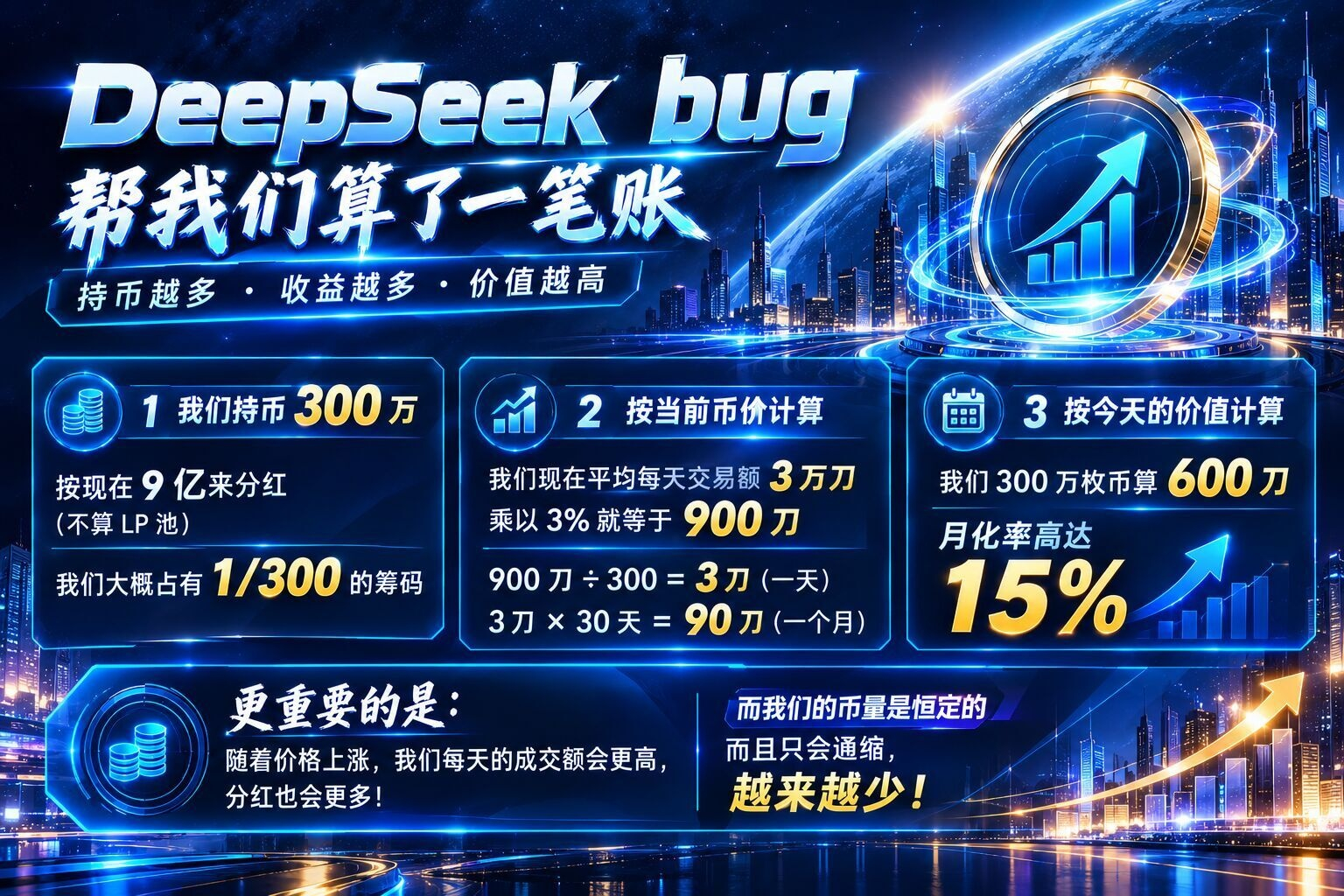
Are you celebrating the holiday today? 1111
#DeepSeekbug wishes you luck finding a partner!!!
Follow me to get red envelopes 🧧🧧🧧🧧 and find a partner!!!
🎁🎁🎁🎁🎁🎁🎁🎁🎁🎁🎁🎁🎁🎁
#DeepSeekbug wishes you luck finding a partner!!!
Follow me to get red envelopes 🧧🧧🧧🧧 and find a partner!!!
🎁🎁🎁🎁🎁🎁🎁🎁🎁🎁🎁🎁🎁🎁


奕泽YIZZE
·
--
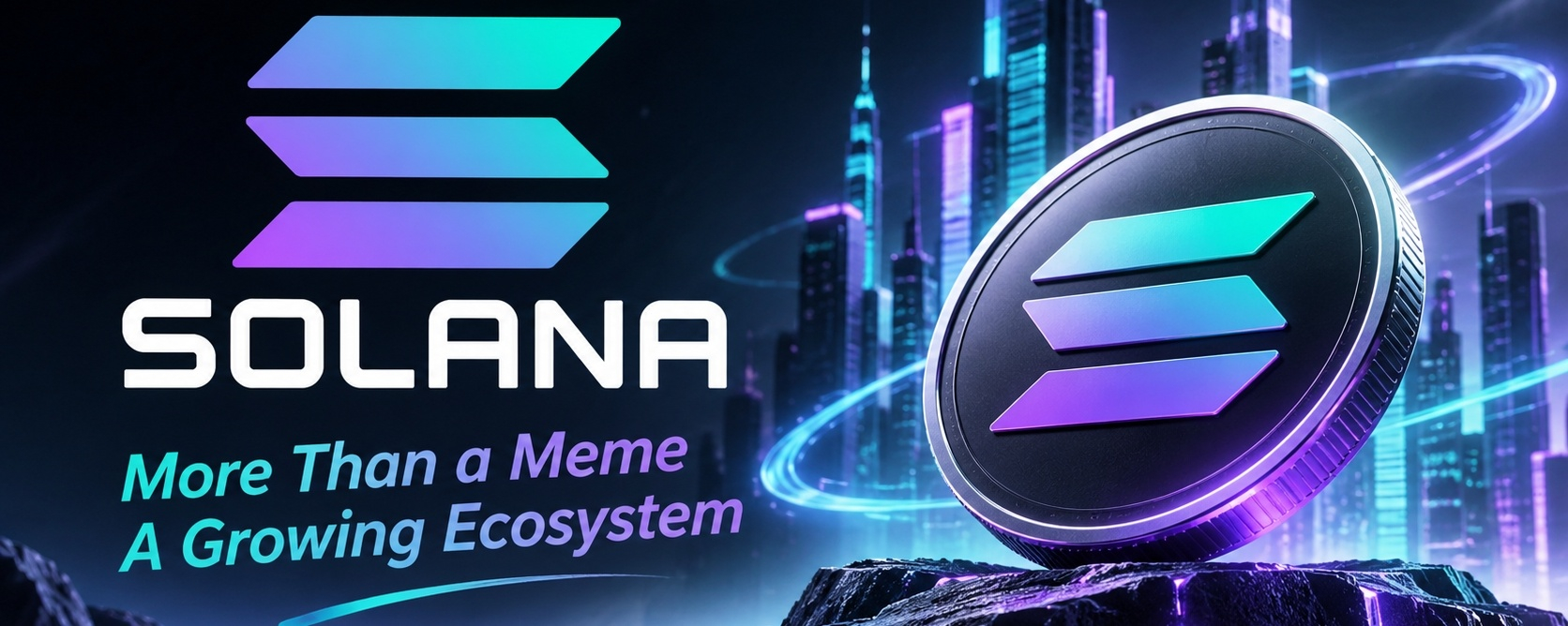
SOL Makes Another Move! Solana Is Looking Beyond Memes and Moving Into Traditional Financial Markets
If you’ve been following Solana, you may have noticed a shift: this blockchain, once widely known for meme coins and on-chain trading, is trying to reach a broader market.
On November 9, the Solana Foundation published a new list of startup ideas, outlining 11 areas worth exploring, including AI-powered financial assistants, stablecoin payments, perpetual futures, real-world asset trading, and digital collectibles.
This sends a noteworthy signal: the Solana ecosystem is looking for more real-world use cases rather than relying solely on short-term market trends.

Syco 疯子
·
--
✨ GOOD EVENING TO YOU ALL✨
I hope you had a beautiful sunny day.
I wish you a sweet evening and a cosmic night.
Kindly ✨
@Syco 疯子 🌹
$BNB $BTC
I hope you had a beautiful sunny day.
I wish you a sweet evening and a cosmic night.
Kindly ✨
@Syco 疯子 🌹
$BNB $BTC


Node知行
·
--
Bullish“Bitcoin is digital gold.” / “Bitcoin is gold, Litecoin is silver.” (Charlie Lee)
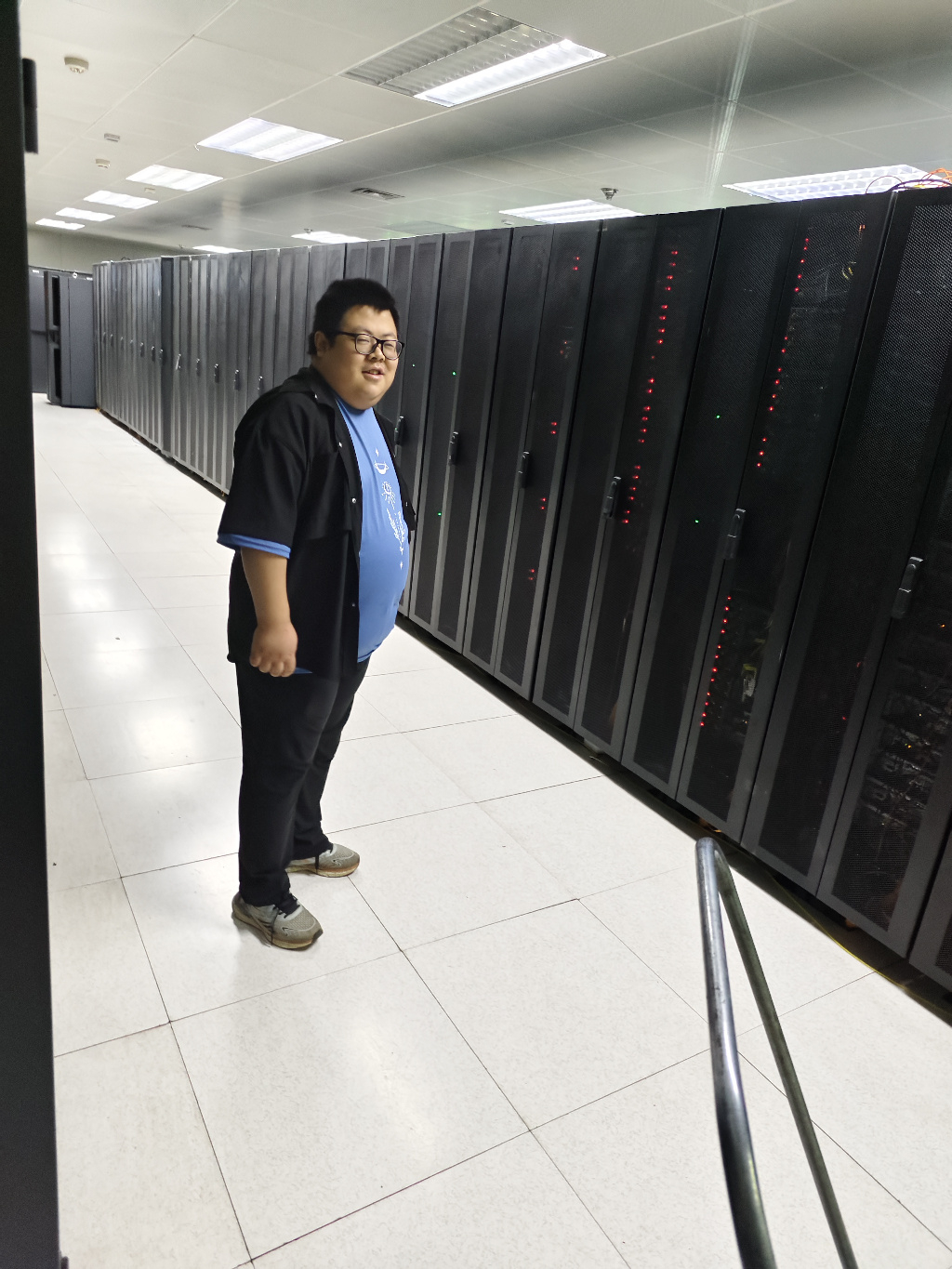
Mining at the office every day makes us all chubby.
Mining at the office every day makes us all chubby.

技委书记
·
--
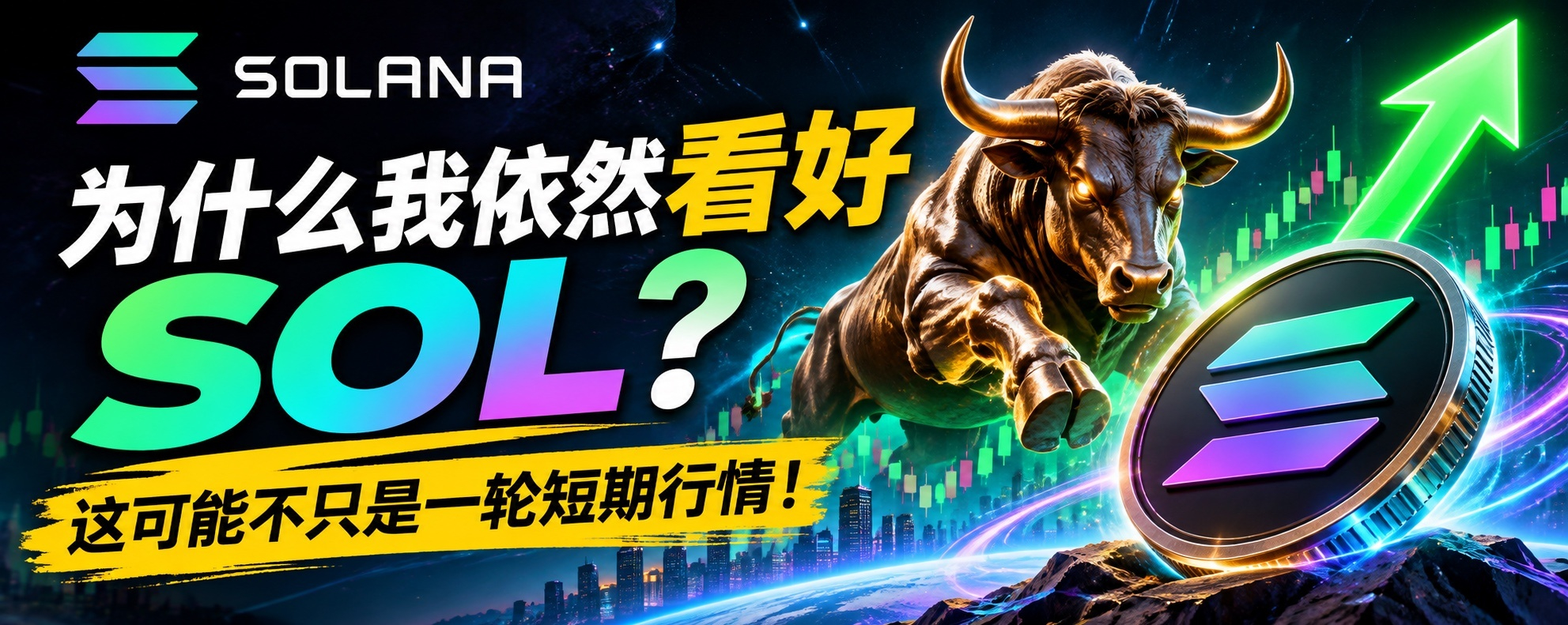
🧧🌹🎁🧧🔥 Why am I still optimistic about SOL? This could be more than just a short-term rally! 🔥🧧🌹🎁🧧
Among the many cryptocurrency projects, SOL (Solana) has consistently been one of the assets I’m most optimistic about for its long-term value.
I’m optimistic about SOL not because of how much it has risen in the short term, but because the ecosystem, technology, and use cases behind it are continuing to expand.
1. A high-performance public blockchain with a competitive edge
One of Solana’s biggest advantages is its high throughput and low transaction costs. Compared with some traditional public blockchains, it can support more frequent transactions and a wider range of on-chain applications.
As network performance continues to improve, Solana has the potential to support more real-world financial and commercial needs.
Log in to explore more content