🚨 Iran puts forward a “two-day plan”! Could reopening the Strait of Hormuz rattle global markets?
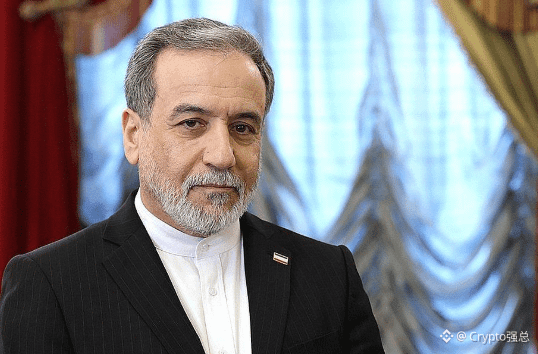
A new signal of negotiations has emerged in the Middle East! Iranian Foreign Minister Araghchi revealed that Iran has agreed to a “two-day plan”: on the first day, the United States takes steps to fulfill its commitments; on the second day, Iran reopens the Strait of Hormuz and maritime traffic returns to normal. Iran stressed that negotiations can only resume if the United States fulfills its commitments first.
The proposed terms cover a lot of ground, including unfreezing Iranian funds, lifting the naval blockade, easing restrictions on oil exports, and addressing regional conflicts and new sanctions. Keep in mind: this is just a proposal on the table and does not mean the two sides have reached a final agreement.
🛢️ Why should crypto investors keep an eye on this? The Strait of Hormuz is a global energy “chokepoint,” with a huge volume of oil shipments passing through it. If passage is disrupted, oil prices could rise, driving up transportation and production costs and adding to inflationary pressure.
📉 For Bitcoin, the logic is simple: if oil prices keep rising and markets worry about a resurgence in inflation, the Fed may have less room to cut rates, putting pressure on risk assets. If tensions ease and energy shipments resume, safe-haven sentiment could cool, providing sentiment support for assets like BTC.
🔥 My take: What really matters for markets next isn’t what either side says, but whether the United States follows through and whether the strait truly reopens to shipping. Middle East tensions affect oil prices, oil prices affect inflation, and inflation affects rate expectations. This chain of events is worth watching closely for crypto investors!