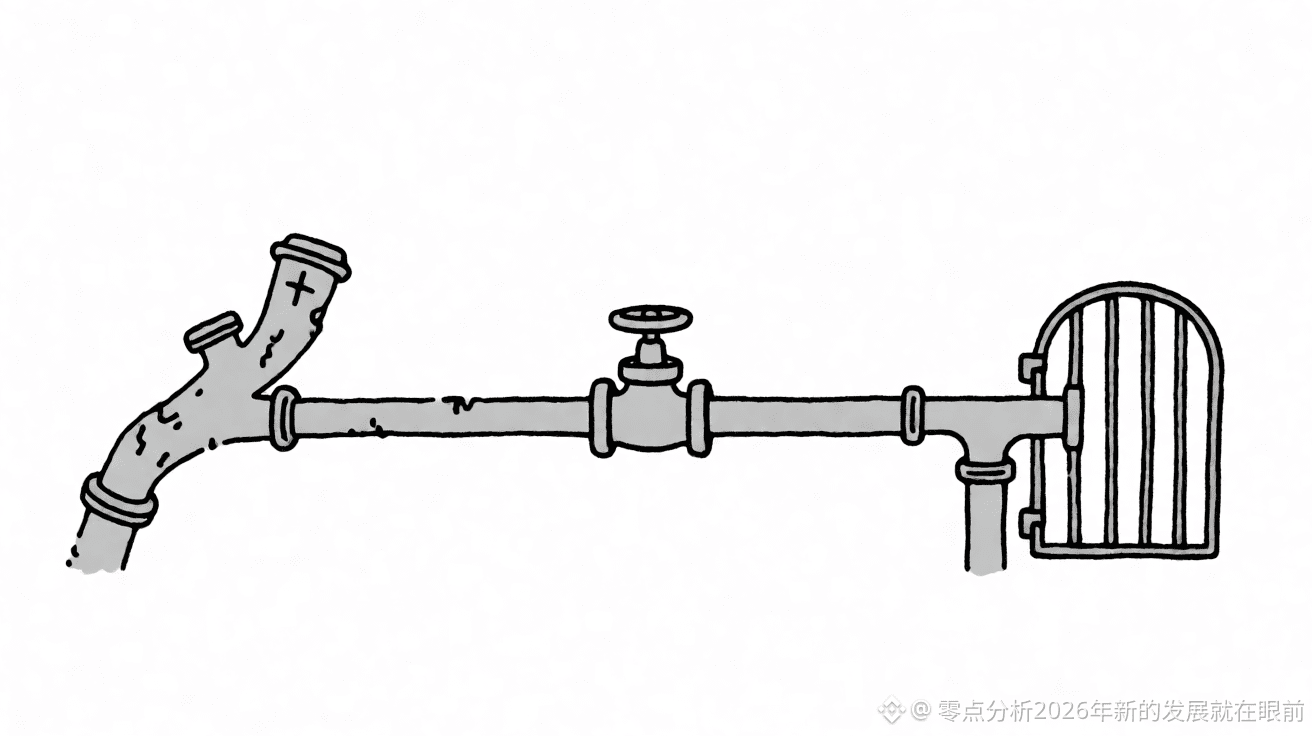
On November 1, a recovery notice numbered Recovery Update #3 completely changed the route used for user withdrawals. Binance stated in the notice that, as part of its ongoing security response, it had updated the list of Proof of Reserves addresses to include a batch of newly generated wallet addresses. From then on, all withdrawal transactions would be sent from these new addresses. This wasn’t just a quick page update—it moved the entire outflow channel involved in the incident onto a new foundation. $XAU
The timeline only becomes clear when you piece it together. The October 31, 00:00 UTC reserves snapshot was taken first; withdrawals were then reopened in stages on November 1, and the new address list was updated that same day. First document the ledger, then open the gates and release the funds—the sequence matters. By the time users’ funds went out, the sending wallets were no longer the compromised hot wallets, but newly generated addresses published on the PoR list. $ETH
The first phase reopened withdrawals for 15 assets, including BTC, ETH, XRP, DOGE, and stablecoins such as USDT and USDC, with access restored gradually across networks. The rest will be prioritized according to user demand over the past week, and made available one by one after passing stability and security checks. $MSFTB
Moving the withdrawal route to new addresses is essentially a vascular transplant for the platform. The stolen funds were in the old hot wallets; changing the addresses means the risk tied to the old channel no longer flows through to users making withdrawals. By publishing this change in the PoR list, Binance is saying that even the route funds take out of the platform can be seen—not just the balances. This step matters as much to restoring confidence as recovering the funds themselves.
What we really need to wait for is progress on both fronts: withdrawals running smoothly from the new addresses, and the full proof scheduled for November 3 being published. Once both are stable, this address change can move from an “emergency response” to “business as usual.” It’s still a little too early to say the security rebuild is complete.
Personal opinion only; not investment advice. You are responsible for your own gains and losses.
#币安更新储备证明地址