#fbi确认朝鲜应对币安被盗事件负责
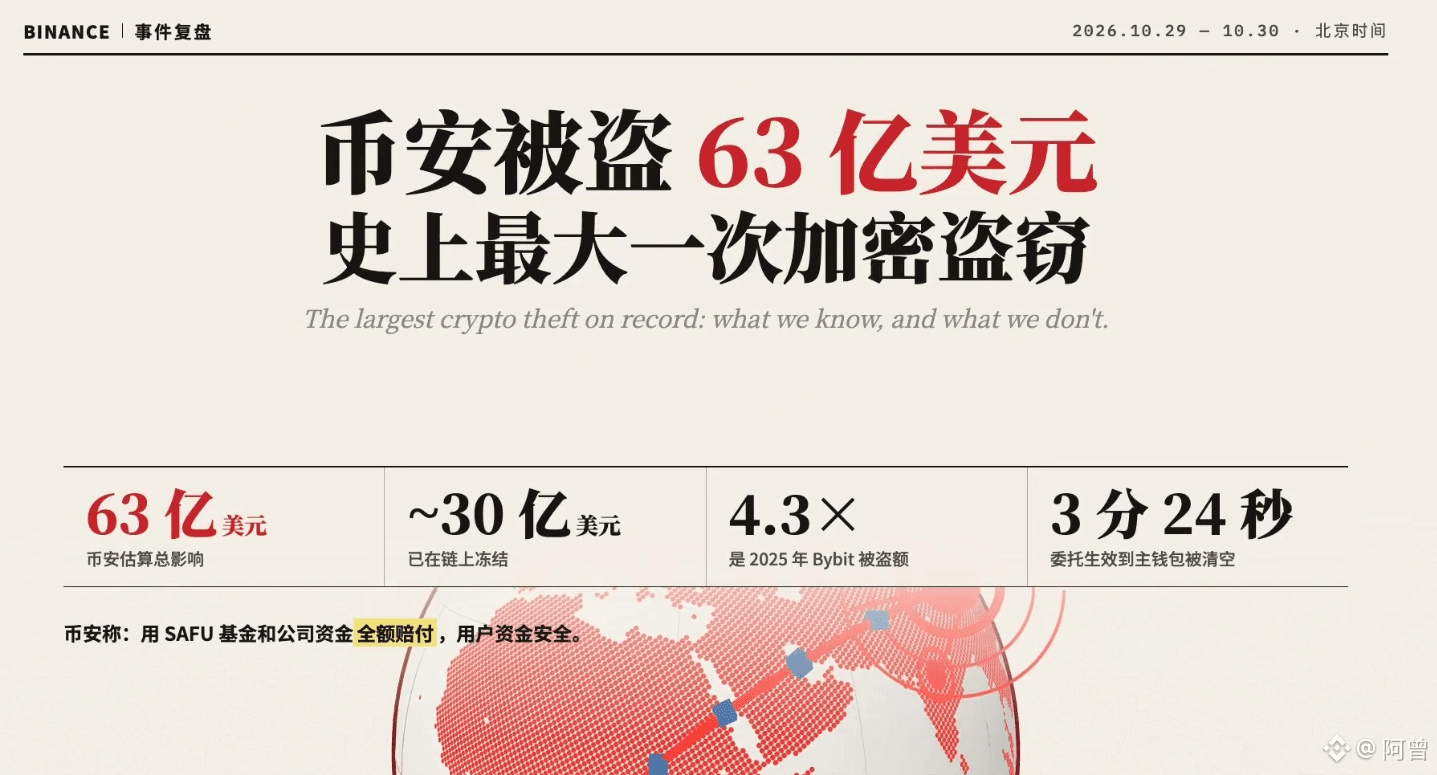
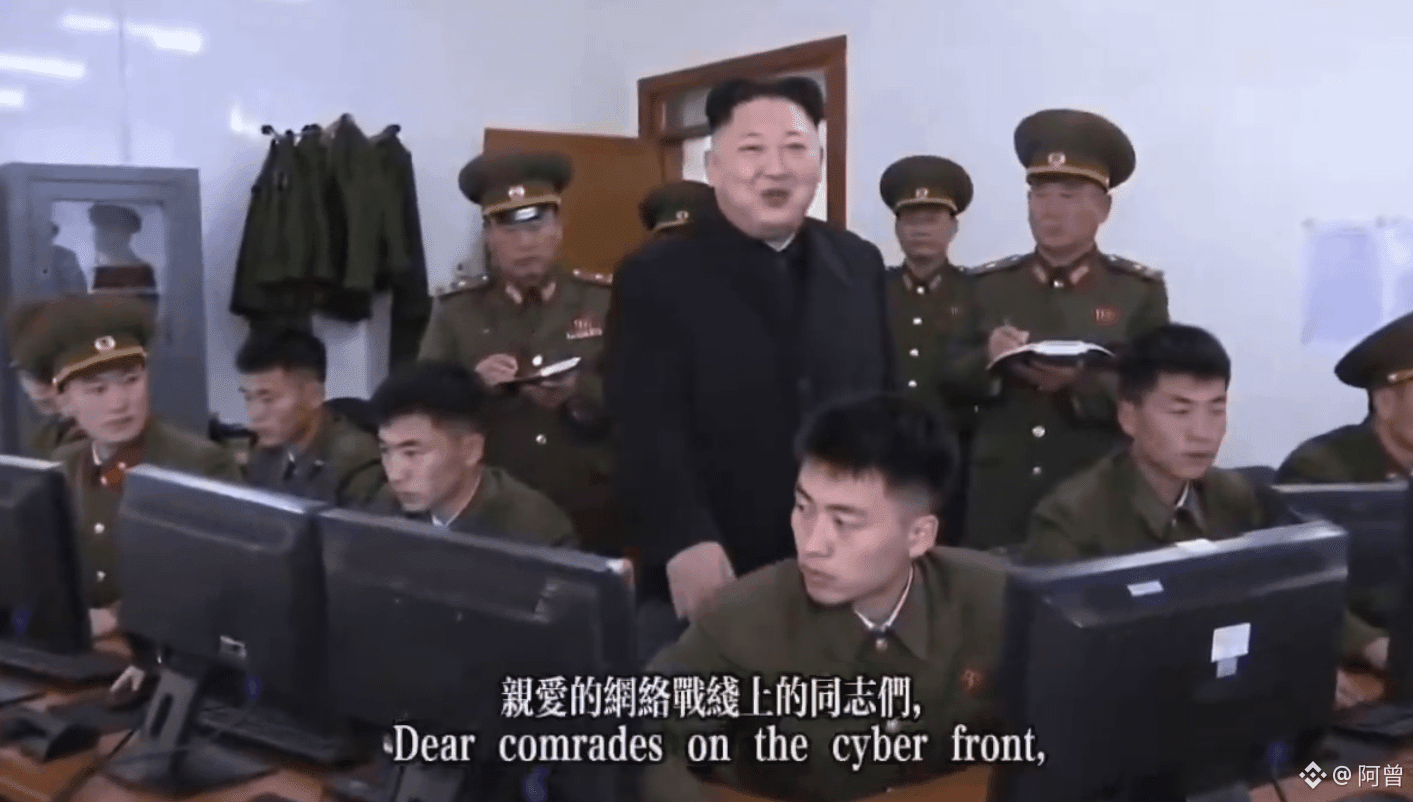
The FBI has officially named North Korean hackers as the culprits behind Binance’s loss of more than $6 billion. They operate under the codename TraderTraitor and are often linked to the Lazarus Group.
It happened around October 29. They pulled it off in just a few minutes, in a record-breaking heist.
As for their methods, most of the stolen funds were first converted into Ethereum $ETH , then shuffled through DeFi, cross-chain bridges, and instant swaps to launder them. Some of the stablecoins have already been frozen (reports put the amount at over $2 billion), but most of the funds are still moving around on-chain.
The FBI has also joined forces with the Secret Service and IRS Criminal Investigation to issue a call:
Exchanges, node operators, and analytics firms need to block those addresses immediately and stop the dirty money from moving further.
The takeaway: This wasn’t an ordinary case of hackers showing off. It looks more like a state-sponsored effort to “steal money to prop up the regime”—North Korea often relies on crypto theft to obtain foreign currency.
Now that the perpetrators have been named, international pressure will intensify:
Address blacklists will grow, regulated exchanges will face tighter scrutiny, and DeFi platforms will also be called on to help.
For Binance: Its image shifts from “paying out of pocket” to “willing to compensate users even after a state-sponsored attack.” That could boost trust in the short term, but regulators will keep a closer eye on it.
For ordinary users: The main thing is whether your platform makes you whole. Stay away from airdrops, cross-chain transfers, and obscure exchanges of dubious origin. If your funds touch a tainted address, they could be frozen.
In short: The FBI has confirmed “who did it,” but the money is still being tracked;
Binance being able to pay is one thing. The industry’s next challenge is defending itself against state-level attackers.