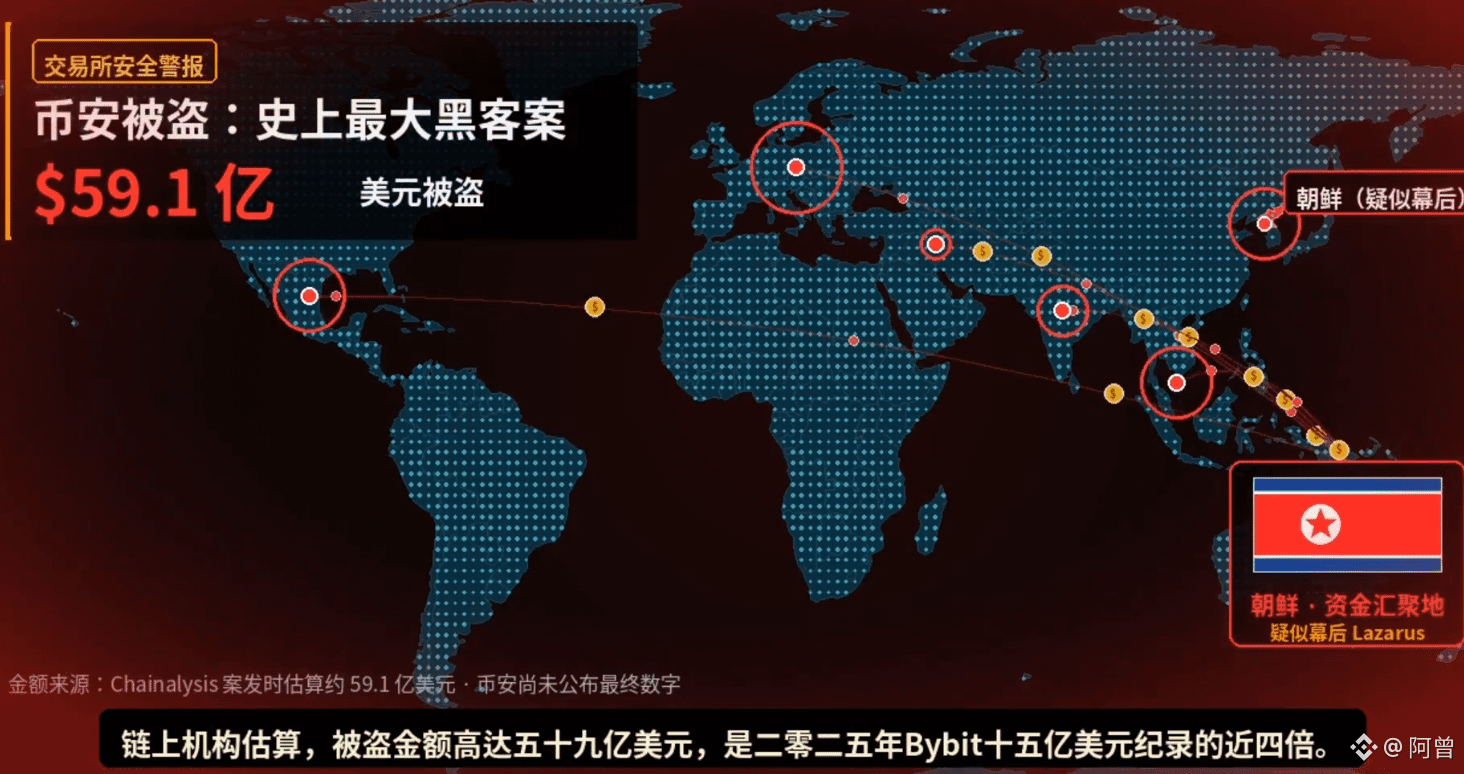
#币安已回填九成受影响资产 Binance was hacked for approximately $6.3 billion this time—a record—but its official response was: “We accept responsibility for users’ losses and will cover them ourselves.”
By October 31, about 90% had already been replenished. Major cryptocurrencies and stablecoins such as $BTC , $ETH , USDT, $BNB , SOL, USDC, and XRP had essentially all reached 100% reserve coverage, so users’ balances in these currencies were theoretically back to normal.
The remaining roughly 10% consists of less popular, illiquid coins that are difficult to buy up all at once on the market, so replenishing them will take a while longer.
Where is the money coming from? Mainly from the SAFU insurance fund and futures insurance funds, along with Binance’s own money—not from splitting the bill among users.
The company has also taken a new snapshot for its proof of reserves, with the full report expected on November 3. Withdrawals are also scheduled to resume around November 1.
What to make of this: In the short term, Binance is using real money to stem the bleeding and preserve trust. Fast reimbursements, prioritizing major coins, and restarting withdrawals are all intended to reassure the market.
In the medium term, the slow replenishment of less popular coins and the fact that the proof will take a few more days show that pressure remains. The security breach itself has also not been fully put behind them.
For ordinary users: The major coins in your account are probably fine, but you may have to wait longer for less popular ones. Once withdrawals resume, don’t rush to withdraw all at once; check your balance and the announcements first.
In short:
Replenishing 90% shows they’re “willing to compensate,” but it doesn’t mean they’re “safe enough”—being able to pay is good, but preventing breaches is what really matters.