$BTC
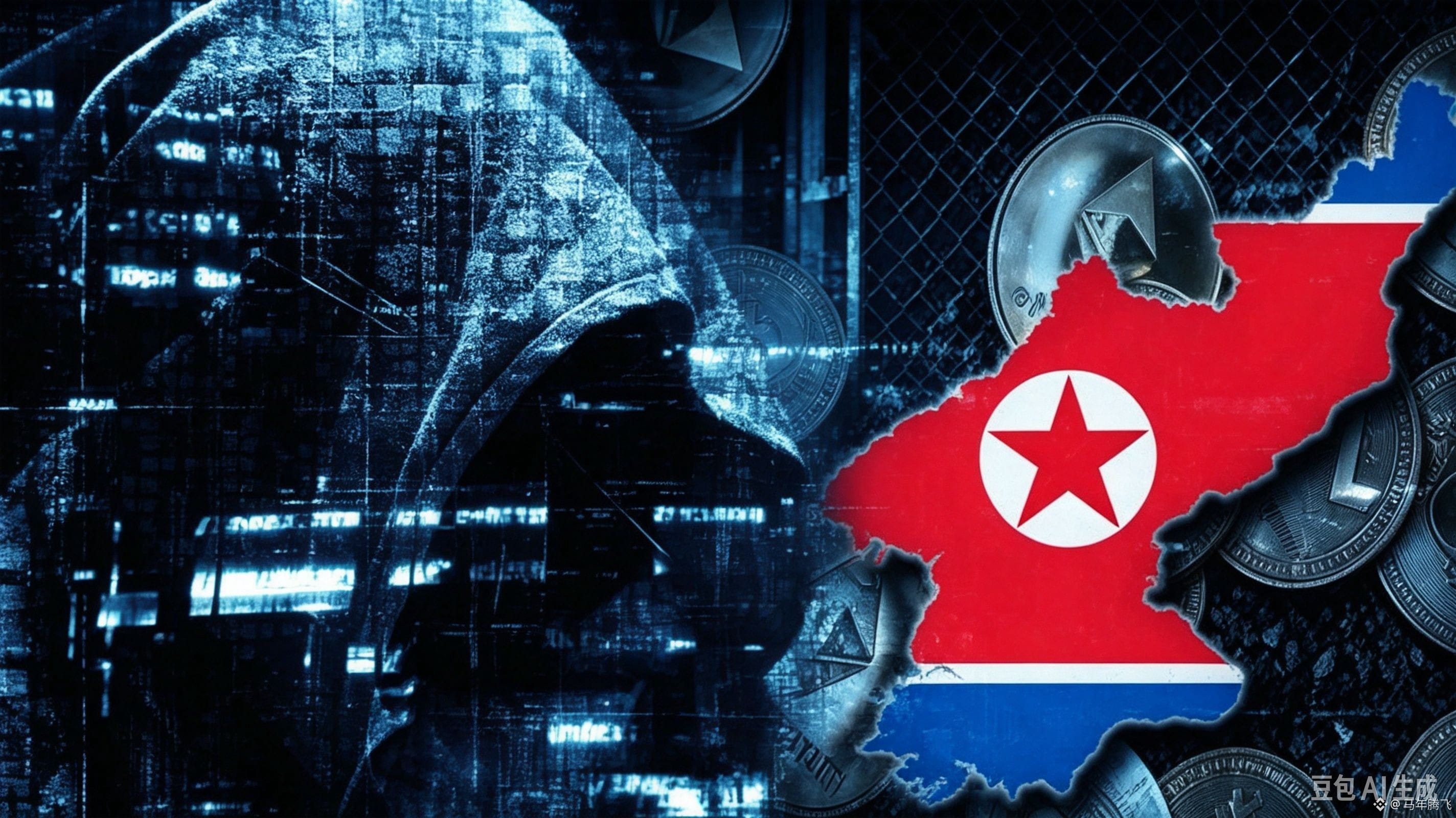
Why are North Korean hackers so formidable? Before you focus on their technical skills, take a look at their “national ledger” and you’ll understand.
Under global sanctions, they can’t get foreign currency through legitimate channels. Building missiles is expensive in every way; running a hacking operation? A few computers and some coffee will do. One successful hack can bring in billions, equivalent to half the country’s annual foreign currency earnings. If you were in their shoes, you’d make it a top priority too.
This is clearly being developed as a “national project”: promising students are selected through math competitions in elementary school and sent straight to a closed-off school in Pyongyang. At university, they’re not tested on homework—they’re tested on breaking into real networks in Europe and the US. Since power cuts are common at home, many are sent to Shenyang, Russia, and Southeast Asia.
Their daily lives are deeply split: by day, they’re well-regarded contract engineers working for Web3 projects; by night, they hunt for system vulnerabilities or pose as recruiters on LinkedIn, sending lucrative job offers to lure exchange tech staff into clicking on malware.
Rough estimates suggest they’ve stolen more than $13 billion since 2021. The amount stolen this year alone exceeds the total for the previous four years. They’re carrying out fewer attacks, but each one brings in more and more.
What we see as crime is, in their eyes, simply a national business with very low costs and extremely high returns.
#疑似朝鲜攻击占加密黑客损失近89%