
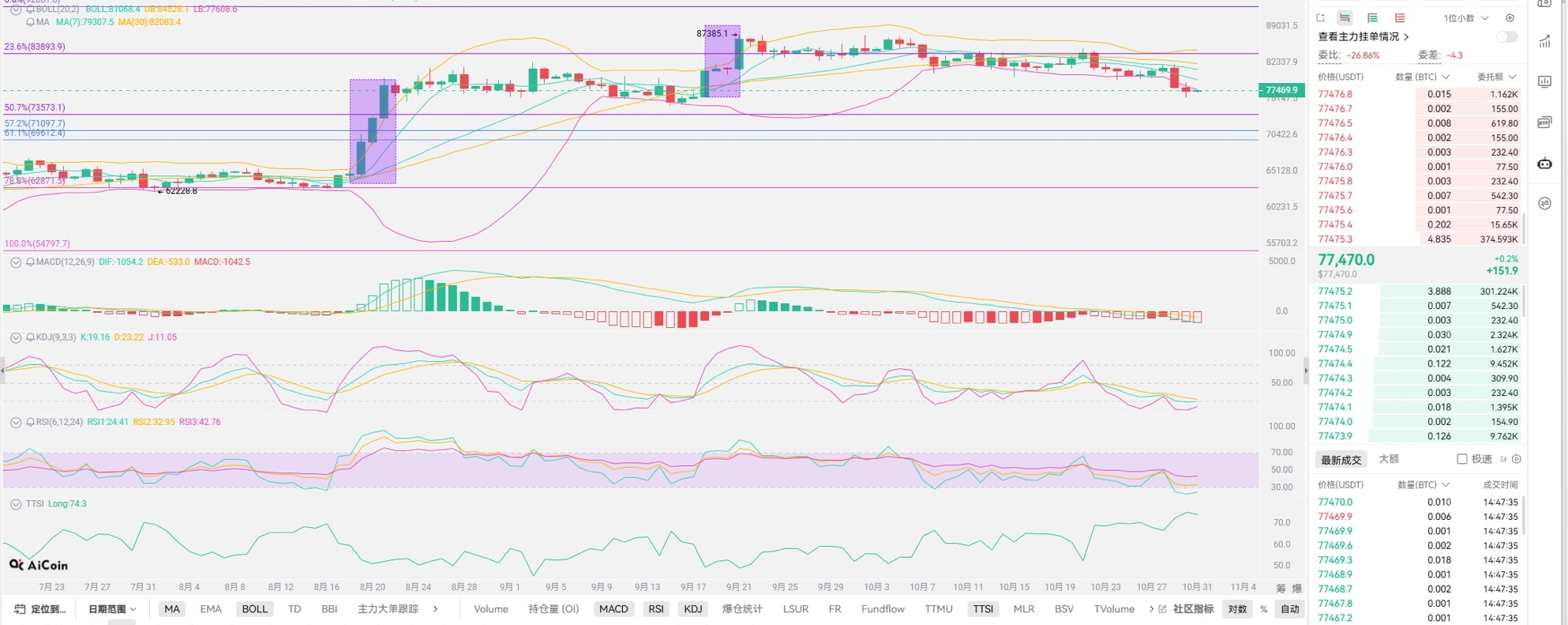

Bitcoin rebounded yesterday to 78,776, but the recovery was clearly too weak. Never mind the 80,000 level—it couldn't even break through the resistance at 79,000. The main reason is that it continues to follow the direction of U.S. tech stocks, with the two markets showing too much overlap. Many people also think much like Americans: they can't keep their investment focus and I don't know why everyone's attention has turned to the Binance hack. Trump's mainstream has shifted its focus to North Korea. From an investment perspective, who the hacker is doesn't matter; a downtrend only needs one reason. In Lao Cui's eyes, this kind of news is just a smokescreen, intended to cover up the crypto market's funding problems. Whether or not the news is true, the market will still decline. If you've been following Lao Cui long enough, you should be able to make your own assessment. In this situation, the more important questions are: when can the trend reverse, given the bearish outlook, and what kind of news might trigger that reversal?
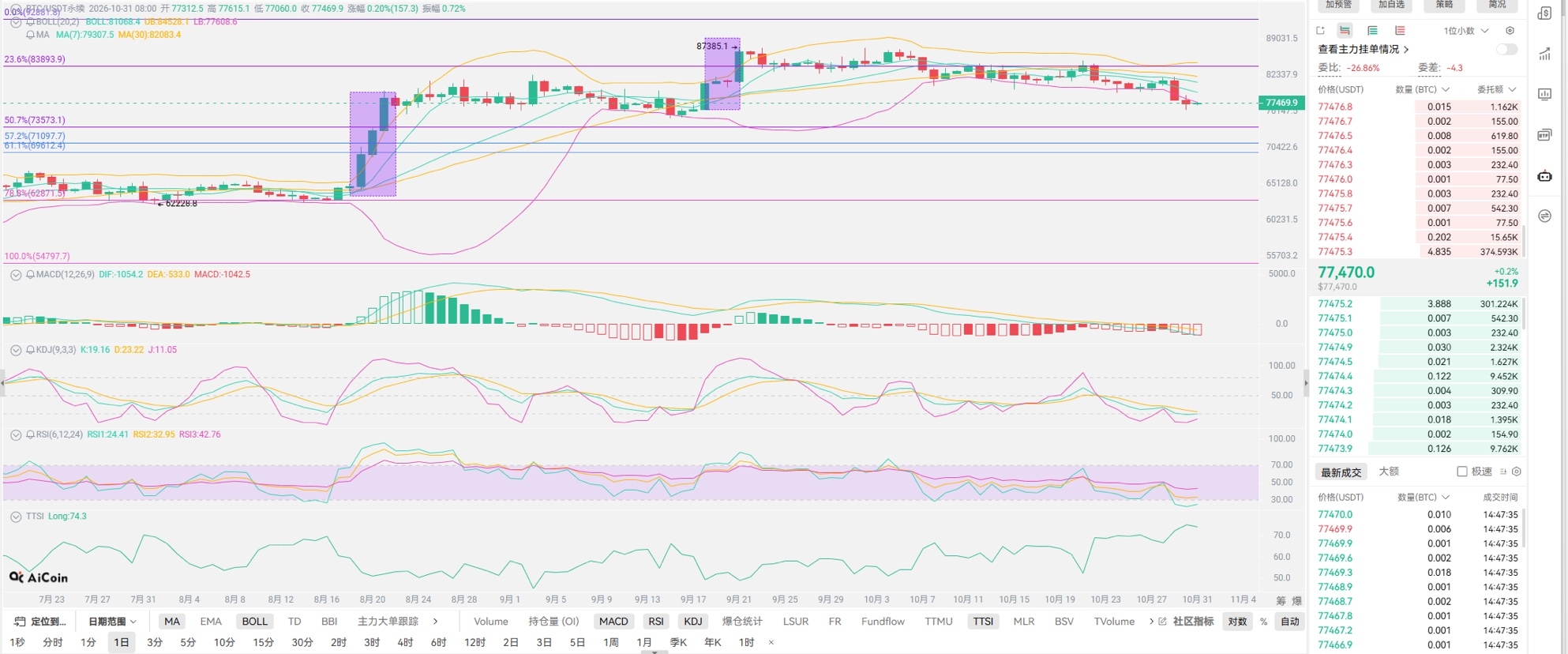
To put it plainly, it's unlikely that we'll see major bullish news this year, so the idea that “once all the bad news is out, that's bullish” doesn't apply. This is also an argument in investing circles that makes very little sense. For the bad news to be fully priced in, we have to wait until all the news has come out before a rebound can happen. Whether it's the rate-hiking cycle or issues with U.S. stocks and bonds, the worst-case scenarios have yet to unfold. These bearish factors keep piling up, so anyone expecting prices to rise this year clearly knows nothing about investing. This includes Trump's so-called pledge to keep oil prices under control. That's just a slogan to lay the groundwork for the midterm elections. His remarks also suggest that he himself knows defeat is highly likely. (As emphasized two days ago, the president has veto power.) With the rate-hiking cycle coinciding with a midterm election loss, the question everyone should be considering is not how the crypto market will perform this year, but whether it can rebound over the next 1–2 years. Lao Cui thinks it will be very difficult for it to get back above 100,000.
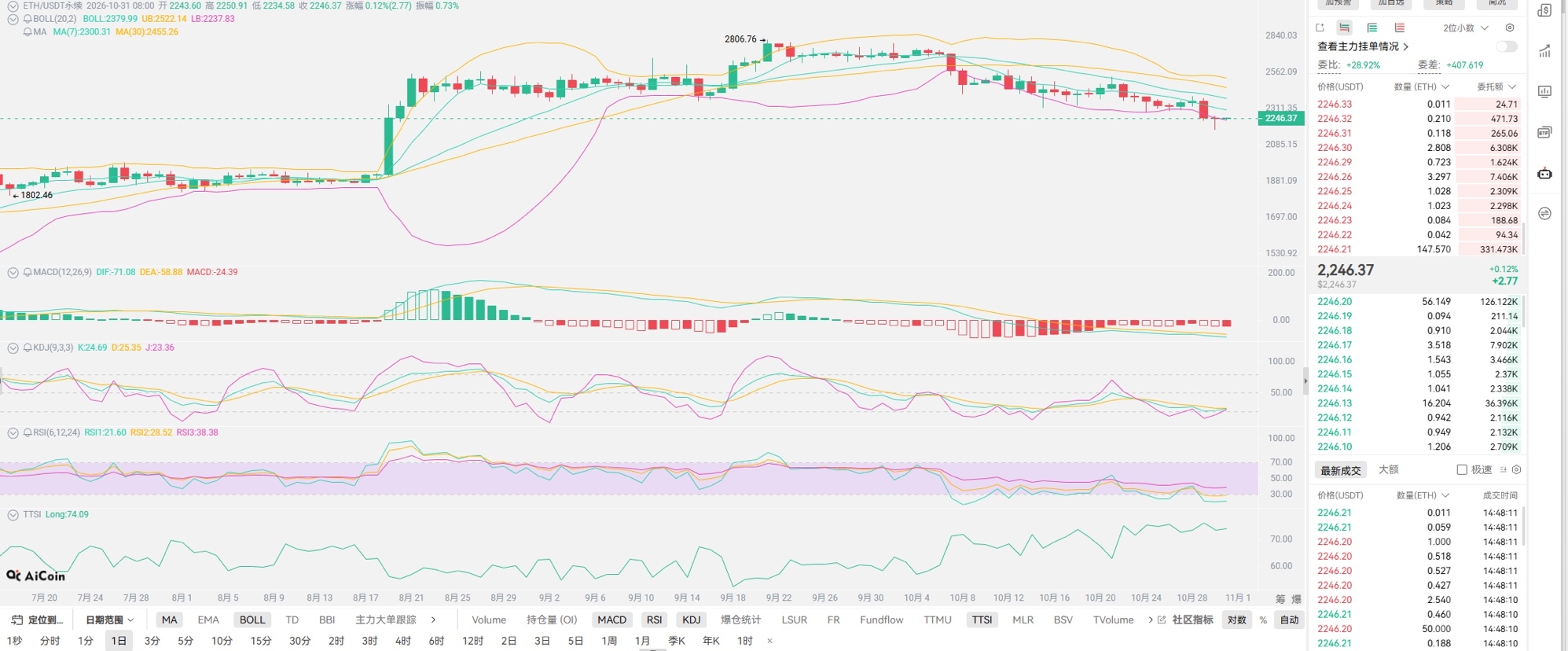 .
This is not a conclusion, but an analysis based on the current news. Over the next year, the short term will be affected by the midterm elections. A loss would affect progress on crypto legislation. That means if implementation of the legislation is delayed next year, the consequence will be a delayed bull market. One concern is that users who have been in the crypto market for a long time may develop a misconception: Bitcoin is extremely volatile, so they may think that stabilizing above the 100,000 level will be relatively easy. Having seen Bitcoin's ability to break through resistance can shape one's expectations, making it seem as if a 10,000-point drop in a single day would be no big deal. You need to abandon this way of thinking. The market is different in scale now than it was before. From a long-term investment perspective, a drop from 126,000 to below 60,000 can be seen as a change of hands, forcing retail investors out. This assumes that the news environment remains restrictive. At this stage, the crypto market's ability to absorb shocks is not strong, and it is still in the phase of realizing the promises Trump made before the election. He put forward two goals: one was legal compliance, and the other was government investment and support.
Both of these goals are still being implemented. Until then, even if new slogans emerge, capital will continue to assess whether they can be realized. Any projection of a bull market naturally needs to take into account the extent of that support. Anything can happen in U.S. partisan politics; between Democrats and Republicans, each side will only do what benefits itself. Don't underestimate this connection: losing the midterm elections could completely reverse the balance of power. A Democratic victory could use the power it holds to reject Trump's initiatives. Factors favorable to the president could also carry over to the next Democratic administration, while the Republicans' role would be completely reversed. If the next Democratic presidential candidate wins, Republicans will become like today's Democrats, doing everything they can to reject Democratic proposals. The crypto market is small and can easily become a sacrificial lamb. In Lao Cui's view, this is the biggest uncertainty facing crypto. This outlook will become clearer over time. If an agreement can be reached next year and both sides can come to terms on their interests and pass the legislation, the crypto market will still have a chance to catch its breath. If that doesn't happen, things may unfold as Lao Cui expects: prices could remain below the 100,000 level for a long time, or even fall lower.
Lao Cui's summary: As the flowers bloom, they can dazzle the eye. You need to think about these issues from an investment perspective. Who is this hacker? It doesn't matter to us. As investors, we only need to remember to ask: Under the pressure of the broader trend, how long will this continue? How much can we make? Those are the core questions. Judging solely by the current news, we should wait for the price to fall to 74,000 and watch MicroStrategy's performance. This is a strong support level. If neither MicroStrategy nor BlackRock steps in to rescue the market, Bitcoin could fall further. For us, the opportunity to enter a second wave of short positions will come around again. At the same time, once this second wave takes shape, the next support level may be around 60,000, and support will grow weaker and weaker. Lao Cui expects this scenario to play out this year. The first thing to watch is the upcoming midterm elections. Barring surprises, this wave could break through 74,000. You must focus on positioning for short trades; there's no opportunity to go long. Trust Lao Cui's judgment of the trend—it won't be wrong!