What’s the difference between CEX and DEX?
Centralized exchanges (CEXs) hold users’ assets on the platform. Trades are matched in the platform’s internal order book, so not every trade is recorded on-chain. Every swap on a DEX is an on-chain transaction and requires paying gas fees on that chain.
Anyone can create a liquidity pool on a DEX, and the barrier to listing tokens is low. Fake tokens with the same name are also more common, so be sure to verify a token’s contract address.
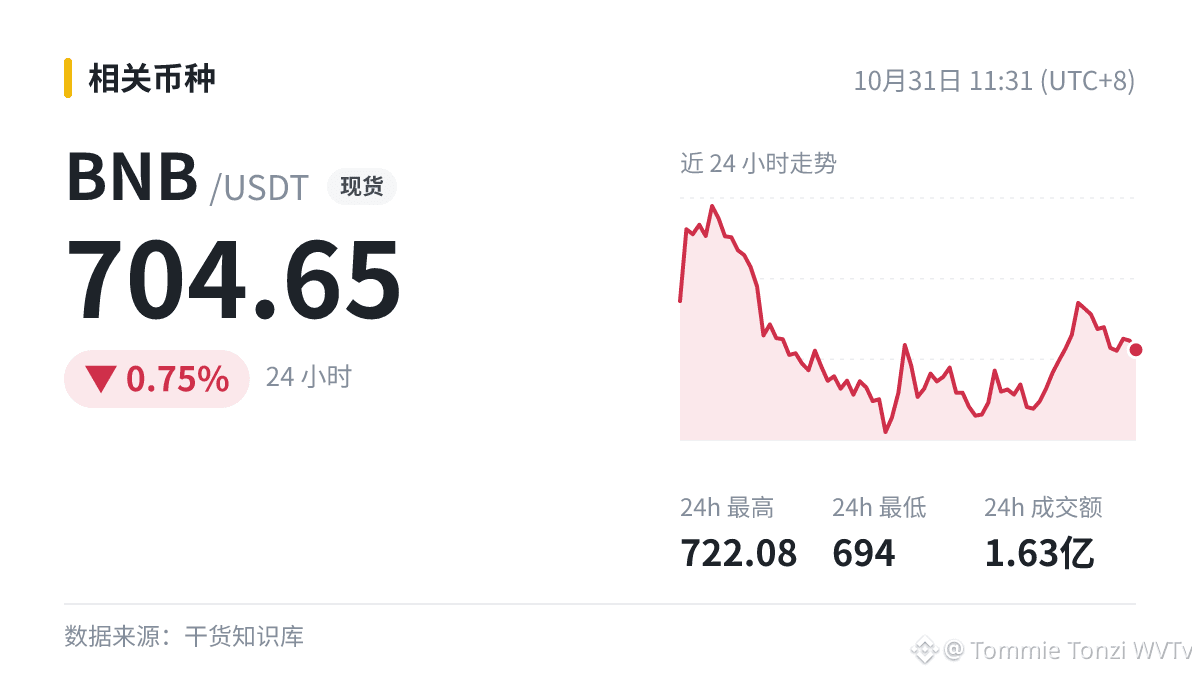
$BNB is the main token of the Binance ecosystem and the native token used to pay gas fees on BNB Smart Chain.
#BNB