8 crypto updates (2026-10-31
1. Binance sets the tone on security incident: A sophisticated attack targeted its hot wallet, affecting about $6.3 billion in assets. Around $3 billion has been frozen on-chain, leaving net exposure of about $3.3 billion. SAFU and company funds will cover the losses; withdrawals are expected to resume within 42 hours, followed by a technical postmortem and proof of reserves.
2. Multisig and EIP-7702 risk controls backfire: The attacker allegedly forged transaction digests to deceive multisig signers and exploited the EIP-7702 authorization mechanism. The industry is reassessing the permission boundaries of “delegated signing + smart-agent wallets.” This wasn’t a leaked private key—the “signing system was tricked into opening the door.”
3. Stablecoin freezes move on-chain: Tether froze 1.56 billion USDT, Circle froze 800 million USDC, and Ripple helped freeze about 200 million RLUSD. The “revocable settlement” feature of centralized stablecoins has become crucial for containing the crisis, forcing a compliance rethink of machine-payment narratives.
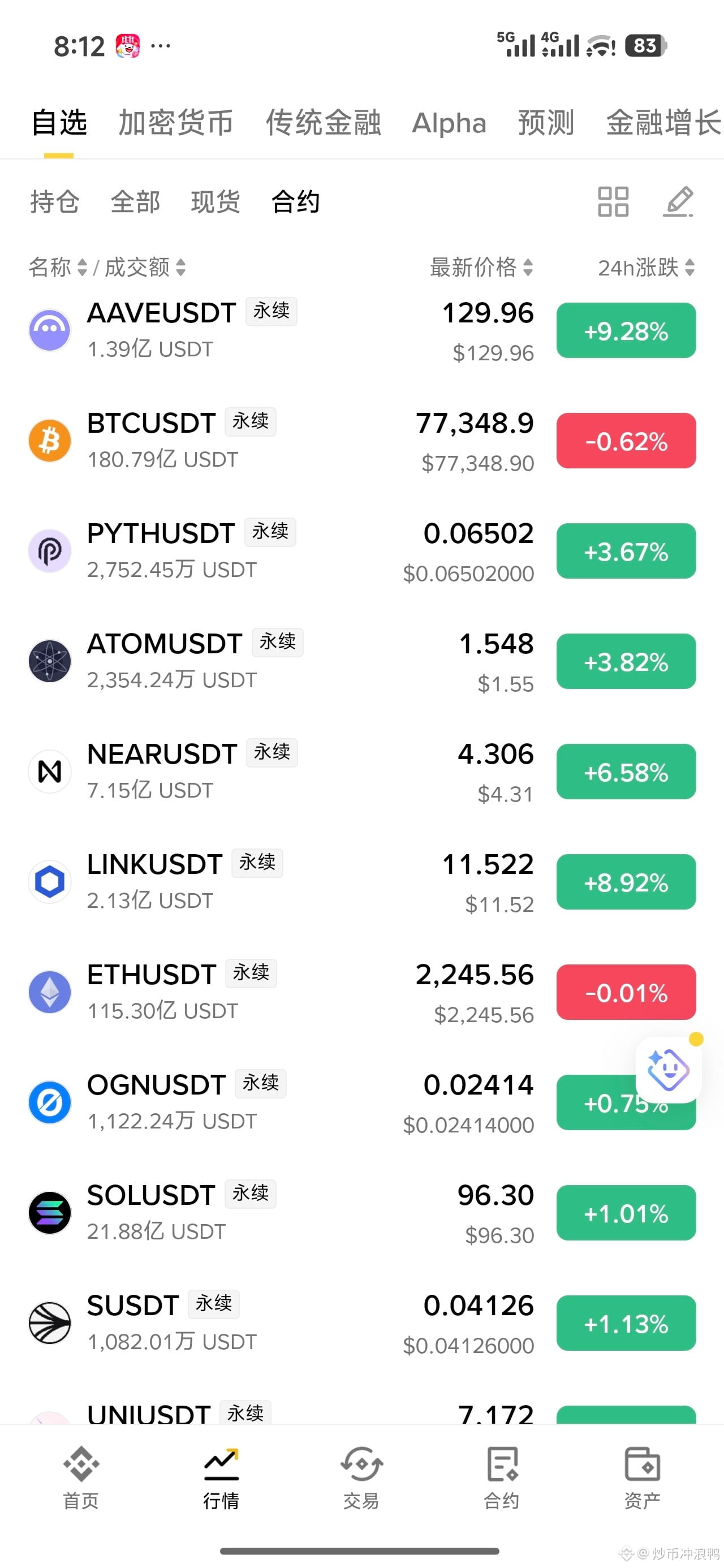
4. BTC sells off amid panic: After the news spread, BTC fell below 77,000, ETH dropped more than 6%, and BNB fell over 8%. Long positions across the market were liquidated, and short-term liquidity shifted from “consolidating at highs” to “repricing for risk aversion.”
5. Coinbase bets on agents + prediction markets: Q3 net income rose 66% year over year. The company launched Coinbase for Agents and event contracts, while annualized prediction-market revenue topped 200 million. Exchanges are evolving from “back ends for crypto trading” into “operating systems for agent trading.”
6. GenLayer-style adjudication layers gain traction: AI agent contracts need “non-deterministic judgment + dispute arbitration.” Infrastructure for the agent economy is expanding beyond wallets and payments to on-chain adjudication layers. Q4 TGE projects are focusing more on real usage than AI-themed hype.
7. Macroeconomic variables shift: The Fed held rates steady (3.75%–4%), while leaving the door open to further hikes if inflation warrants. The market’s pricing focus has shifted from “rate-cut expectations” to “tech earnings + AI capital expenditure,” with crypto tracking U.S. equities as a risk asset.
8. Custody security becomes an institutional requirement: Following a string of major incidents involving Bybit and Binance, institutional due diligence is shifting from TVL to “multisig isolation, verifiable Merkle proofs, SAFU reserves, and AI operations permissions.” Compliant custody and key-management HSMs are becoming key Q4 infrastructure themes.
#美国中期选举倒计时,美股博弈窗口已开启?
Hot-token analysis and recommendations: $GENIUS
Instead of competing on “agent chat/payments,” the focus is on “how agents arbitrate with one another and verify orders”—a missing layer at the intersection of AI and smart contracts.
- Catalysts: As Binance’s Agentic Wallet gains traction, the number of on-chain agents is growing, driving a sharp rise in demand for contract-dispute resolution and intent-execution verification. With the Q4 TGE window approaching, capital is seeking AI projects with real mechanisms rather than pure hype.