
1️⃣ What happened
On October 29, a hacker drained around $6.36 billion from Binance wallets across ten blockchains—the largest attack in crypto history. Most of the funds were moved in about twenty minutes. According to Binance, the attack originated from an engineer’s compromised computer.
2️⃣ Who was behind it?
Chainalysis attributes the attack to the North Korean group TraderTraitor. There has not yet been an official attribution.
3️⃣ Market impact
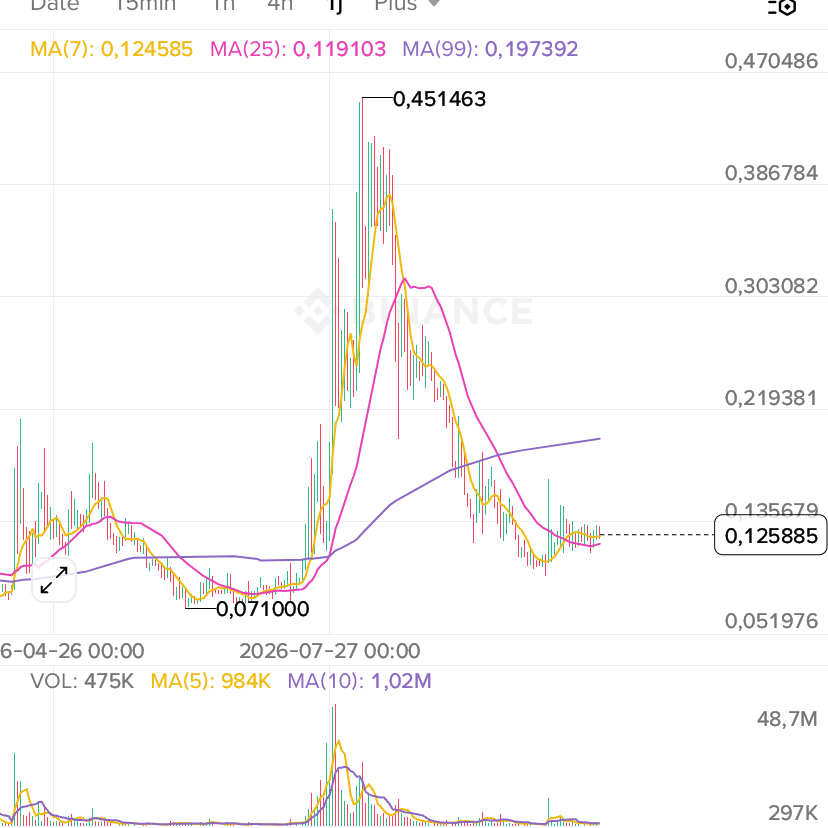
📉 $BTC fell back to around $77,000. $BNB lost about 8%.
4️⃣ Binance’s response
✅ Binance says it will absorb the loss, not users, through its SAFU fund and treasury.
✅ More than $6.34 billion has already been set aside, covering around 80% of the affected amount.
🧊 Around $3 billion has been frozen, and Binance is working with law enforcement and blockchain analytics firms to recover it.
🔓 Binance plans to resume withdrawals this weekend and says it has found no private key leaks.
⚠️ Note: “80% covered” does not mean “80% recovered” from the hacker. These are Binance’s claims, to be verified against its forthcoming proof of reserves.
5️⃣ Market context
The hack adds to other concerns: the Fed’s decision, a possible rate hike in December, and Alphabet’s (Google’s) 12.6% drop on Thursday, which revived fears about AI.
6️⃣ My take
The market is very volatile. I’m not trading this week. Protecting your capital comes first.
🛡️ Security tips:
• Enable 2FA and an anti-phishing code.
• Follow official announcements only.
• Watch out for fake “refund” messages: never share your recovery phrase, password, or a code.
💬 What about you—are you keeping your funds on Binance or withdrawing them? Let us know in the comments!
For informational purposes only, not financial advice. DYOR
