


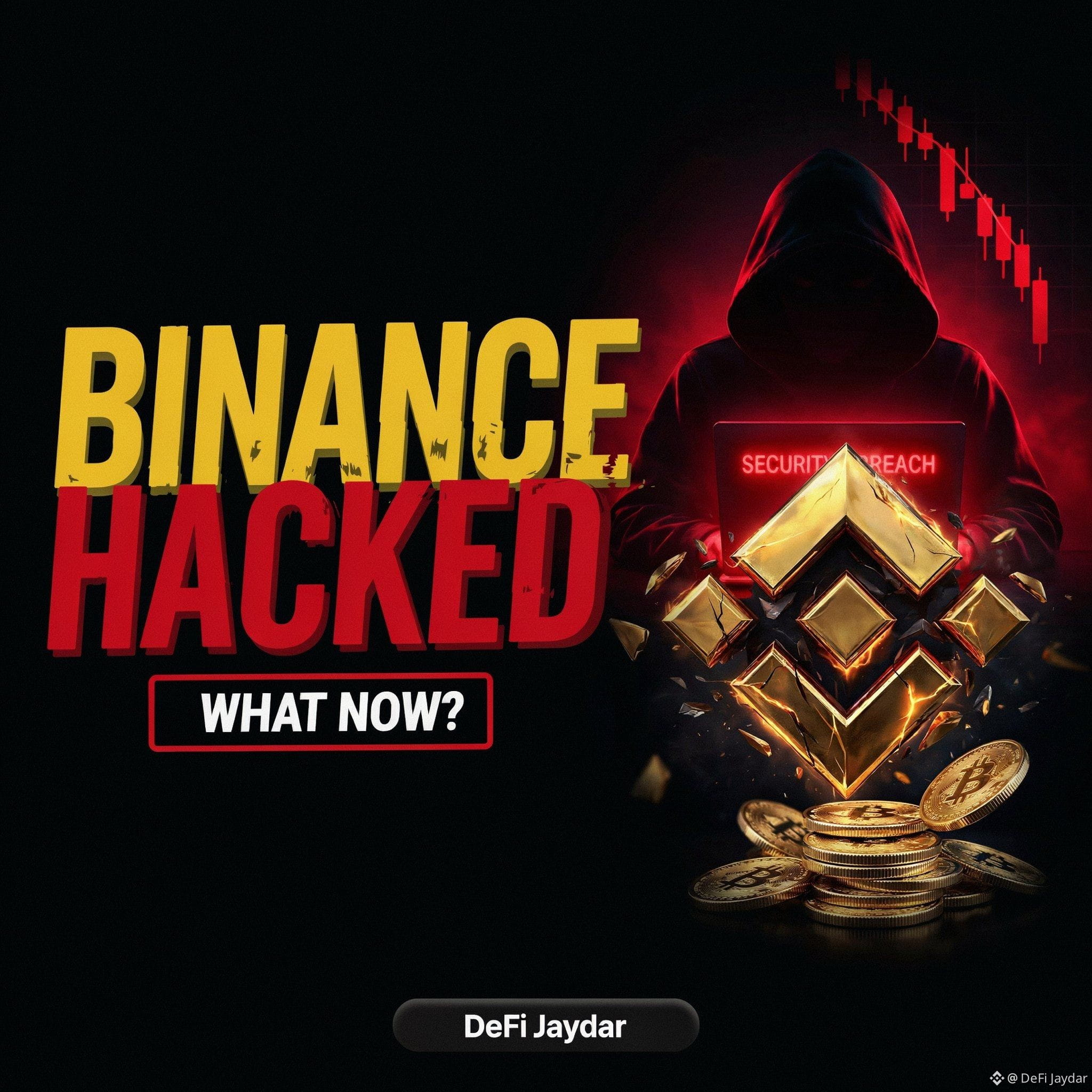
On October 29, an attacker moved about $6.36 billion out of Binance wallets across ten blockchains, most of it in roughly 20 minutes. It is the largest crypto theft on record, about four times the Bybit hack of February 2025.
Here is the clear version, with no panic and no hype.
What happened
Binance says the attack began with a compromised laptop, which let the attacker reach a service container and submit unauthorized withdrawals. The chains hit included Ethereum, Bitcoin, Tron, Solana, XRP Ledger, Base and Arbitrum. Binance suspended deposits and withdrawals while it works with law enforcement.
Blockchain analytics firm TRM Labs attributes the attack to North Korea’s TraderTraitor group. That is an analyst attribution, not a court finding. Estimates of the total also differ: Chainalysis puts it at roughly $5.9 billion, while Binance says about $6.3 billion.
What has been recovered or frozen
Binance says about $3 billion has been identified and frozen. Circle and Tether froze large amounts of stablecoins as the funds moved through their networks. Meanwhile, the attacker has been moving assets through Uniswap and borrowing against stolen USDT on Aave. Freezing is a race, and it is not over.
Are your funds safe?
Binance says yes. Co-CEO Yi He said the exchange will cover all hacking losses, and the company says it has reserved over $6.34 billion of its own funds. For scale, Binance held roughly $144 billion in assets before the hack, so the loss is about 4%. That is reassuring, but it is a promise, not a guarantee, and the investigation is still open. Treat it as a good sign and keep watching.
Why this matters for DeFi beginners
Crypto’s old rule applies again: not your keys, not your coins. When you keep funds on an exchange, you are trusting that exchange’s security, and here one engineer’s laptop became the weak point. Self-custody has its own risks, and no setup is risk-free. But this is a good moment to ask how much you really want sitting in one place.
What to do right now
Don’t panic-withdraw through links. Only use the official Binance app or the website you typed in yourself.
Expect scams. Fake “withdrawal unlock,” “compensation claim” and “recovery support” messages always appear after a hack. Binance will not ask for your seed phrase, password or 2FA codes.
Tighten your account. Turn on the anti-phishing code, use app-based or hardware 2FA, and set a withdrawal address whitelist.
Spread your risk. Consider keeping long-term holdings in a wallet you control, and only trade-size amounts on exchanges.
Follow official channels only. Binance’s verified X account is the source of truth, not Telegram DMs or screenshots.
The takeaway
The hack is huge, but so far the response has been fast. Stablecoin issuers froze funds within hours, and Binance put up its own money to cover the loss. Whether that holds up is what to watch over the next few days.
This is developing news, so I'll share more as it unfolds.
$BNB #Binance #CryptoSecurity #BinanceHack2026