


Sherry长得帅不如跑的快1688
Price is the surface — conviction wins the game. 13y in the trenches. Hard data, sharp calls, no shilling. I read the next move before the crowd. 📊
Open Trade

BNB Holder
Occasional Trader
7.6 Years
759 Following
29.4K+ Followers
12.8K+ Liked
Posts
Portfolio
All
Quotes
Live
PINNED
PINNED


奶龙Bit
·
--
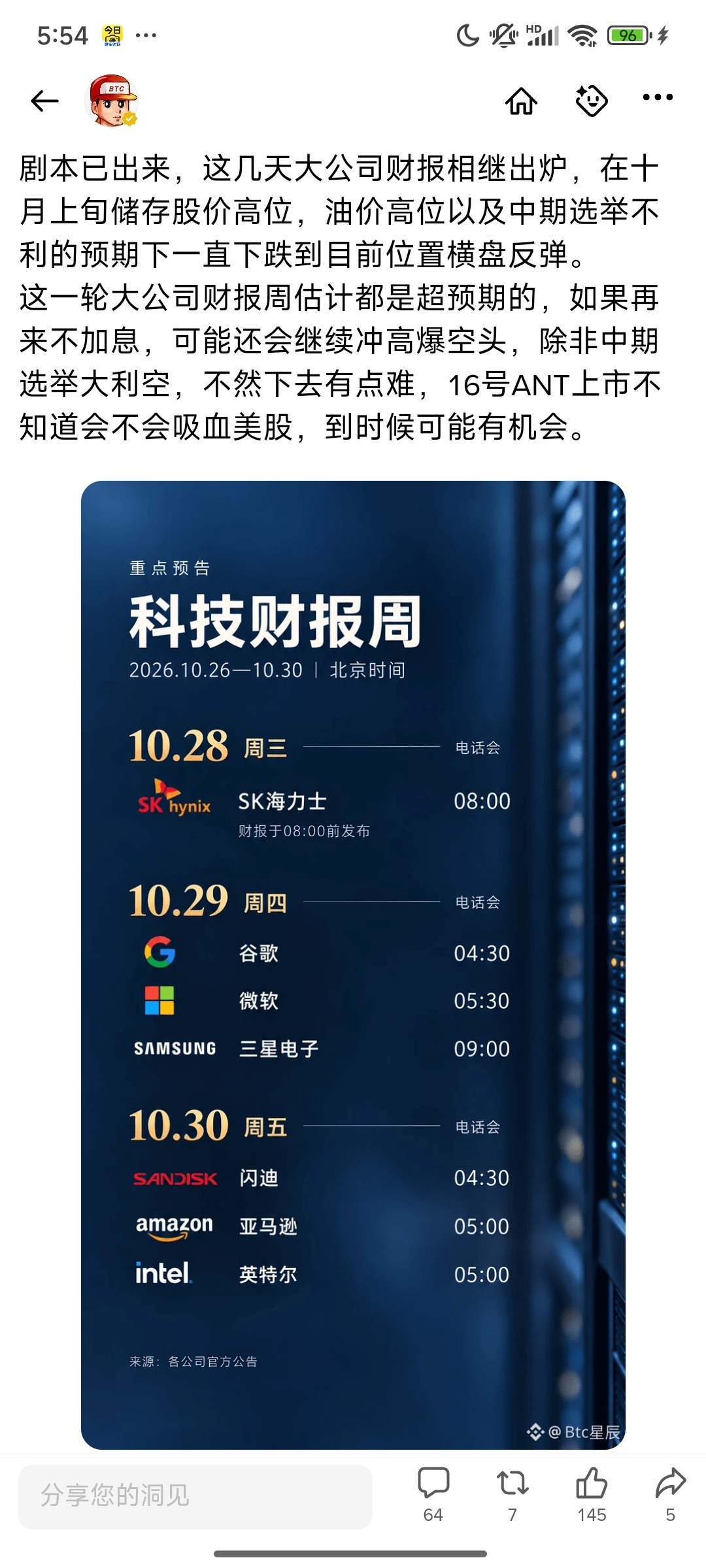
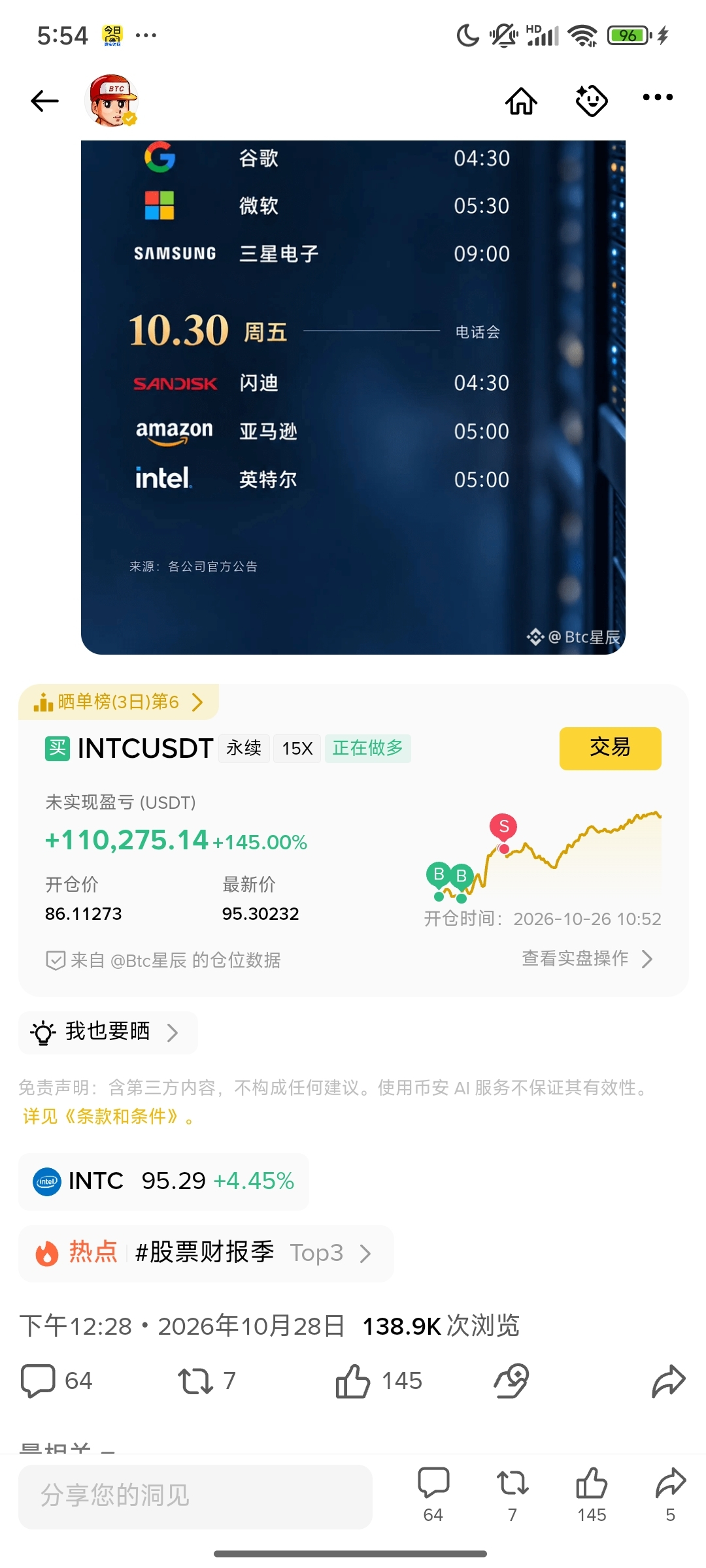
Since even crypto’s top star, Xingchen BTC, is checking out this 📕, it must be worth something. After all, we should follow the lead of the top players when trading—if we jump in recklessly on our own, we’re bound to lose. And wow, Xingchen is insanely good: one trade is worth an ordinary person’s lifetime earnings. Making a million in a single trade is absolutely terrifying 🐯🐯🐯🐯$INTC


Humaira HN
·
--
$SOL Gifts for my followers 🎁 💝 💝 🎁 💐 💝 🎁 💐 💝
click here 👉Join my Chatroom 💞💞
Please Join me 💖💖 on
X 👉 @HumairaHN22800
Join to my Discard 👉 humairahn
click here 👉Join my Chatroom 💞💞
Please Join me 💖💖 on
X 👉 @HumairaHN22800
Join to my Discard 👉 humairahn


橙子Joyce
·
--
🚨 Adding insult to injury! Tech giants topple from their thrones! On Friday, U.S. Eastern Time, Intel plunged 29% and Amazon sank 7%; on Thursday, Google lost nearly $500 billion in market value in a single day. Cracks in the AI trade are widening across the board.
📌 I. A string of earnings shocks from tech giants, with capital spending becoming a heavy burden
Google (GOOGL): Search advertising growth slowed (as AI search modes take a toll), and the company signaled that capital spending will increase “significantly” in 2027. Shares plunged 13% on Thursday, wiping out about $489 billion in market value in a single day!
Amazon (AMZN): Quarterly free cash flow plunged to -$33.5 billion (far below expectations), while capital spending surged to $77.3 billion. Shares sank 7% on Friday.
Intel (INTC): Q4 revenue guidance came in far below expectations, and the company warned it would be unable to achieve positive cash flow this year. PC demand is being curbed by rising memory-chip prices. Shares closed down 29% on Friday, their biggest one-day drop since 1982.
Microsoft (MSFT): Although Azure grew 48%, commercial orders fell 12%, prompting the company to urgently launch a $25 billion bond offering to raise funds.
Meta & Anthropic: Meta announced capital spending of as much as $59 billion and launched a large-scale fundraising effort; Anthropic's computing bill is as high as about $800 billion. The four tech giants' capital spending is set to approach $750 billion this year, and the market is no longer willing to accept AI investments that seem like a bottomless pit.
📉 II. Risk aversion spreads: Crypto markets and high-risk assets come under pressure
The sell-off spread across the board: all of the Magnificent Seven closed lower, memory-chip stocks and emerging cloud providers (Neocloud) were hammered, and Reddit plunged 26%.
Crypto's correlated pullback: Weighed down by declines in tech stocks and risk appetite, Bitcoin (BTC) fell more than 5%.
Institutions accelerate their exit: Goldman Sachs data shows hedge funds dumped tech stocks at the fastest pace in any two-week period in more than a decade, while net leverage in U.S. stocks fell to a five-year low.
🌍 III. Macroeconomic and geopolitical headwinds intensify
1. Repricing the cost of capital: Goldman Sachs warned that Fed policy and rising capital costs are once again constraining corporate investment, bringing the era of unchecked expansion to an end.
2. Geopolitical and oil-price risks: Markets are concerned that tensions in the Middle East will escalate. Brent crude settled at $117.64/barrel, near its year-to-date high; surging oil prices are heightening concerns about economic stagflation.
We can still expect sharp market swings next week. We will buy the following high-quality company stocks on dips.
$NVDA.US
$SPCX.US
$AMZN.US


Suadagar Ali
·
--
#BNB BTC ETH$
Be happy friends
follow 🌹🥀☘️🌹
like comments
Be happy friends
follow 🌹🥀☘️🌹
like comments


RCB signal
·
--
good morning everyone 🎁🎁🎁
.
claim here 👈▶️⏯️⏯️⏯️▶️▶️ .
.
.
claim here 👈▶️⏯️⏯️⏯️▶️▶️ .
.

Sherry长得帅不如跑的快1688
·
--
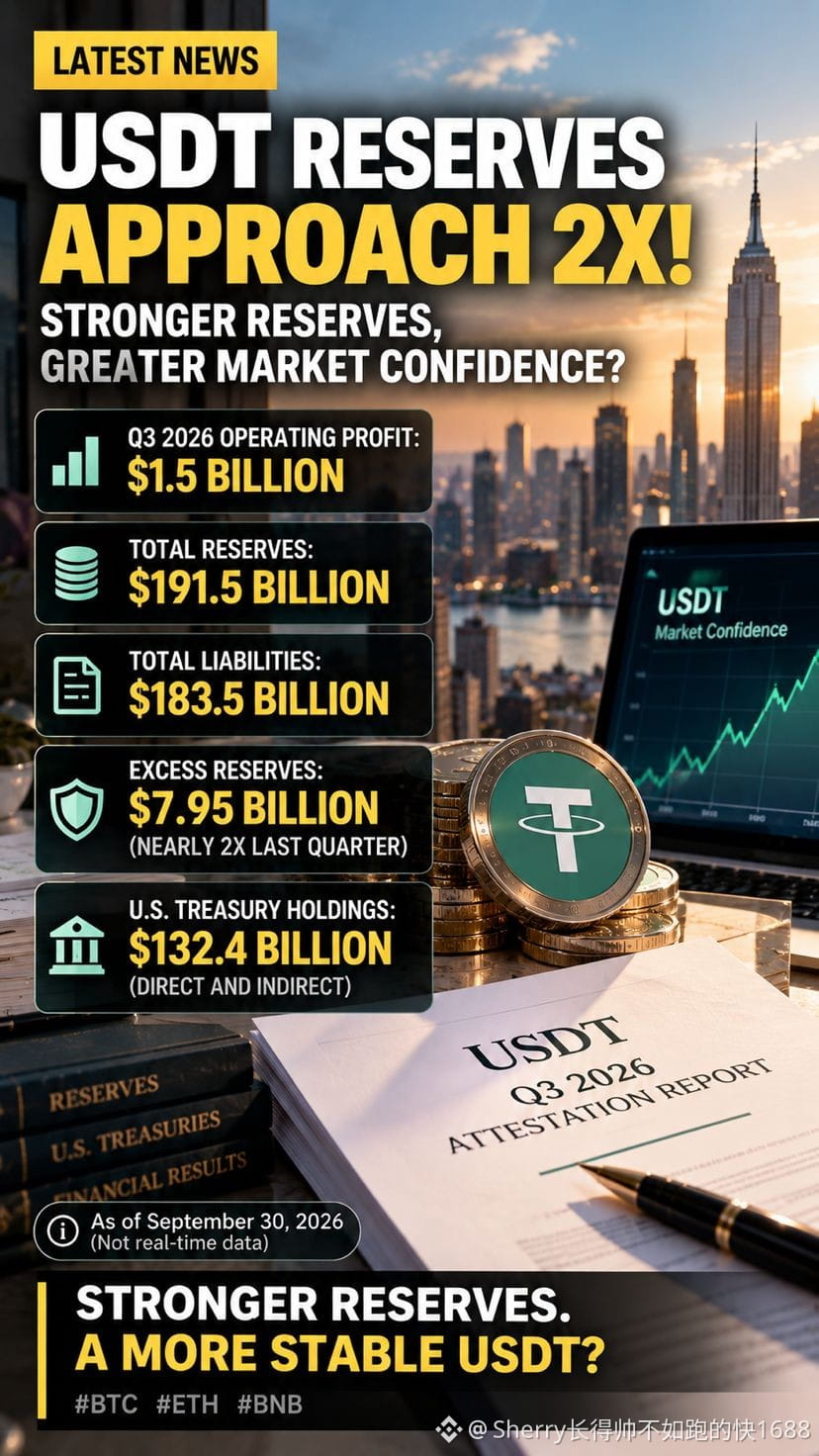
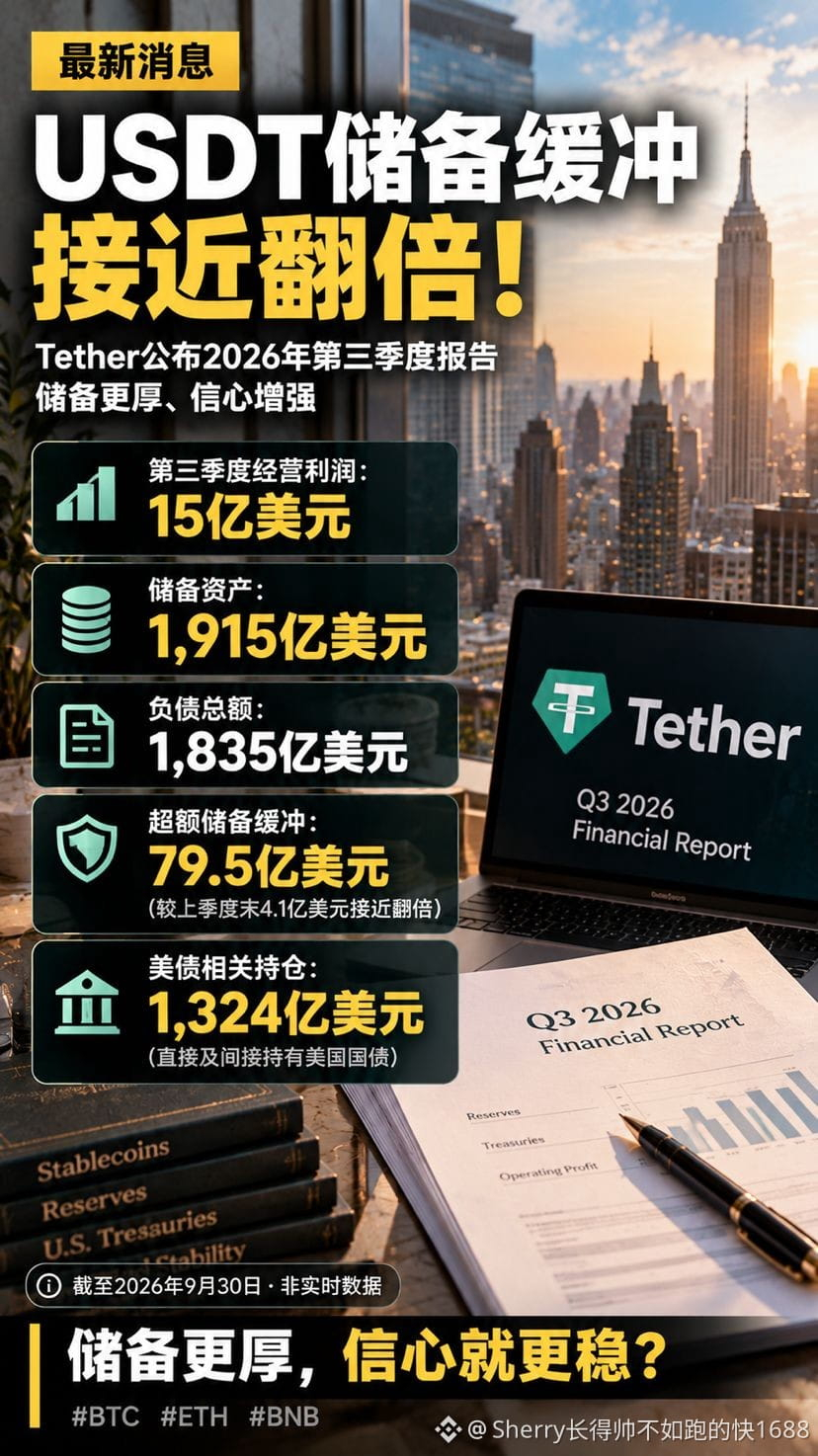
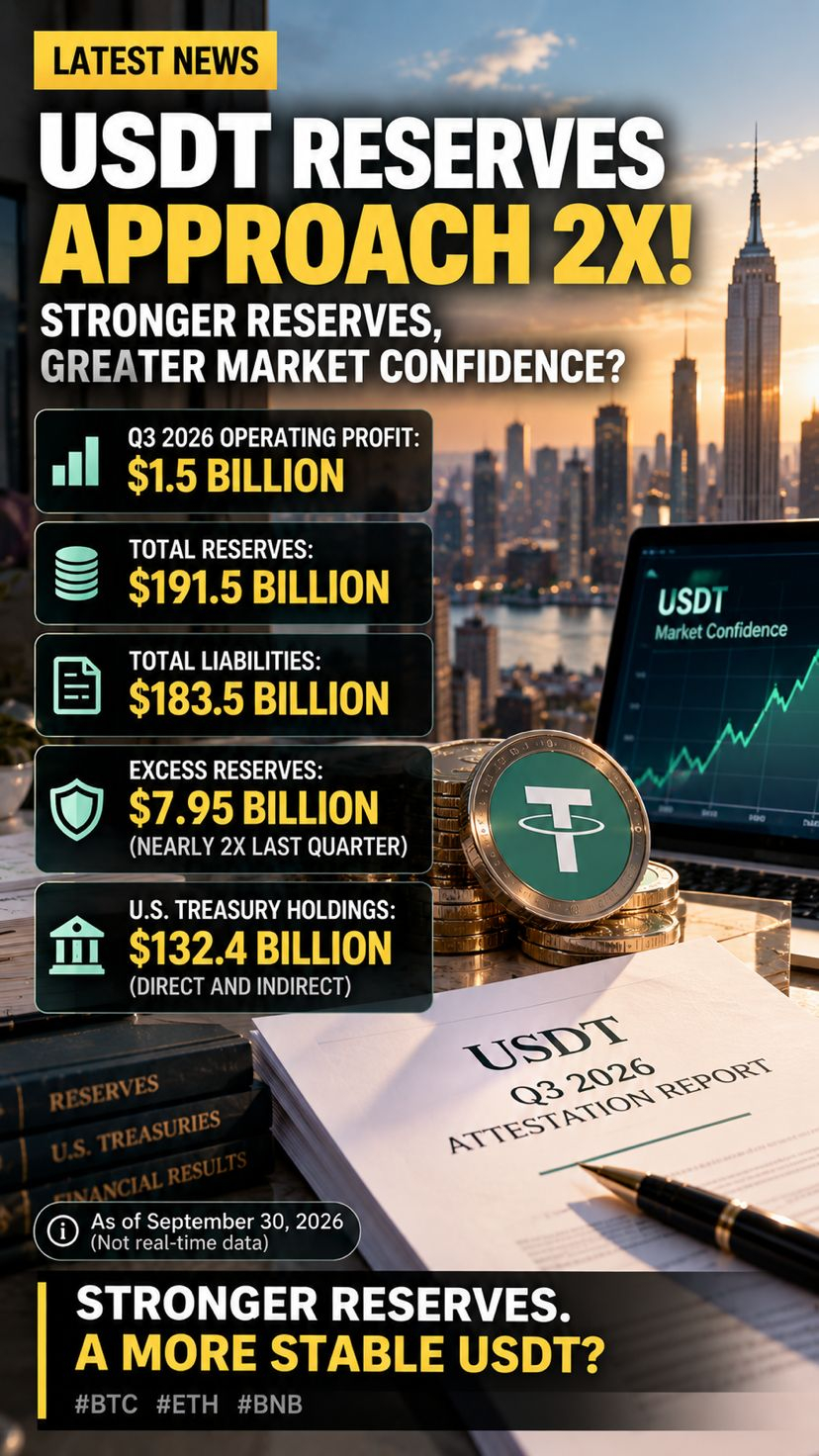
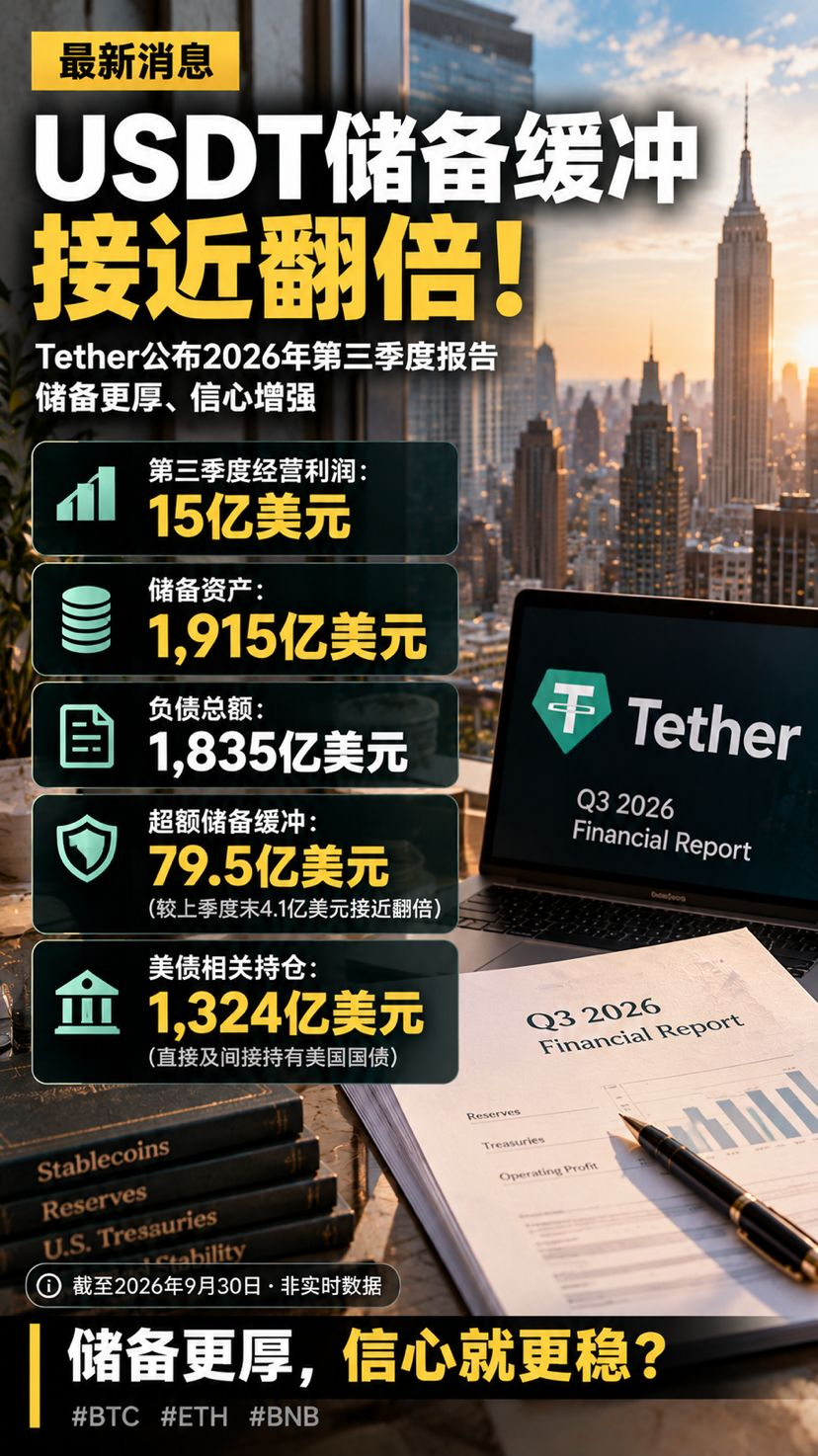
🚨 USDT'S RESERVE BUFFER NEARLY DOUBLES! $1.5 BILLION IN QUARTERLY PROFIT — IS TETHER BECOMING A TREASURY GIANT?
Crypto markets are volatile, but Tether just released financial figures worth watching!
Its Q3 report, published October 30, shows:
💰 Operating profit: $1.5 billion
🏦 Reserve assets: $191.5 billion
🛡️ Excess reserves: $7.95 billion, nearly double the previous quarter's $4.1 billion
🇺🇸 Direct and indirect U.S. Treasury holdings: $132.4 billion
IMPORTANT: These are September 30 reserve figures, not today's live balances or a full-year audit.
Four key signals 👇
🔥 ① A larger reserve buffer may strengthen USDT's ability to withstand redemption pressure
💵 ② Treasuries and reverse repos drive much of Tether's earnings, deepening the connection between stablecoins and traditional finance
⚖️ ③ Large reserves don't eliminate risk. Liquidity, valuations and transparency still matter
₿ ④ BTC, ETH and BNB trading liquidity is closely linked to stablecoins, but reserve growth does not guarantee higher crypto prices
THE BIG QUESTION:
STRONGER RESERVES OR HIDDEN RISKS?
CORE VARIABLES:
REDEMPTIONS × LIQUIDITY × TRANSPARENCY
What I'm watching:
👀 USDT's dollar peg and large redemptions
👀 Reserve composition and future attestations
👀 U.S. Treasury yields
👀 Weekend BTC, ETH and BNB liquidity
👀 Fully reported U.S. spot ETF flows
The real strength of a stablecoin isn't just how much it earns.
It's whether it can keep honoring redemptions when markets are under stress!
👇 Which side are you on?
🟢 CONFIDENCE: A larger buffer strengthens market trust
🔴 CAUTION: Transparency and liquidity still need testing
#BTC #ETH #BNB

Bilawal Ashiq
·
--
🧧🧧Clam Repost And Like pls SOL Gift🎉🎉
$SOL 🧧🧧🧧🧧
$SOL 🧧🧧🧧🧧


fLY號吉維卡28
·
--
💹💹 update 📢📢📢
Binance CEO Yi He said on Friday, October 30, that the exchange’s own crypto holdings already match most of the tokens affected by its security incident, so only a small portion needs to be bought through on-exchange and off-exchange channels. The incident involved about $6.3 billion in assets, she said, and about $3 billion has been frozen with help from industry partners. Binance will use its own funds to match the affected assets in full.
Most Affected Tokens Already Covered
Yi He explained that Binance’s daily revenue and assets are held mostly in crypto, matching the majority of the tokens taken. That means Binance does not need to put the full $6 billion-plus into the market to buy new tokens. The exchange said earlier that $5 billion of its $6.34 billion reserve is already held in the exact tokens affected. Yi He thanked industry partners for their help in freezing assets.
$SPK
$DOS
$AMZNB

Baoluo币商资本
·
--
#疑似朝鲜攻击占加密黑客损失近89%
#币安招黑攻击无需恐慌
@Baoluo币商资本
A change in the situation can also be an opportunity. No one is perfect, and nothing is absolute. The moon has its phases, and flowers bloom again. Don’t read too much into things or panic. Belief is what gives belief its power; trust is what gives trust its strength. Since you chose Binance, everything will be fine. Support is what gives support its strength. Although the market may fluctuate, be sure to keep a clear head and a steady mindset.$BNB $BTC


Ahli Hidaya
·
--
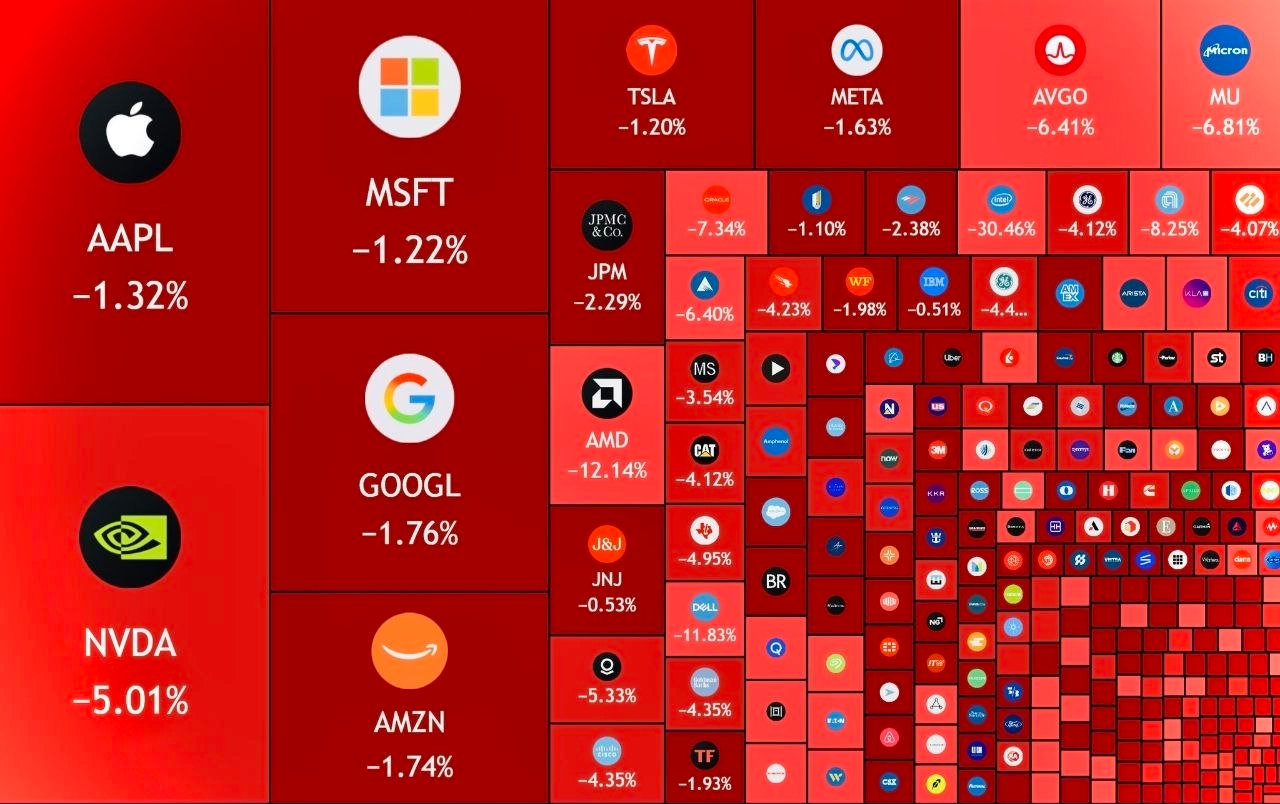
Bearish🚨 JUST IN: $1.8 Trillion Wiped Out from the US Stock Market!
Wall Street experienced a massive bloodbath as a staggering $1.8 trillion was erased from the US stock market in a brutal session.
Major tech giants and mega-caps turned deep red, echoing heavy panic across traditional financial markets:
NVIDIA (NVDA): -5.01\%
AMD: -12.14\%
Intel & Tech Sectors: Facing historic single-day slumps driven by disappointing corporate earnings and mounting doubts over massive AI infrastructure spending.
The S&P 500 & Nasdaq: Plunged sharply as jittery investors aggressively trimmed their exposure to risk assets.
What does this mean for Crypto?
When traditional markets bleed this heavily, global liquidity shifts, and risk-off sentiment often spills over. However, while Wall Street acts like a volatile meme coin, this massive shakeout highlights how fragile macroeconomic sentiment currently is.
Are macro shocks spelling danger for crypto, or is smart money looking to rotate out of equities? Let’s discuss in the comments! 👇
#WallStreet #StockMarketCrash #USStocks #Crypto #BinanceSquare #MarketUpdate$AAPLB $NVDAB $MSFTB
#dyor

正乾--四条2
·
--
DeepSeekbug: More Than Tokens—Let’s Talk About Value
The Web3 wave never stops. New narratives, technologies, and projects keep appearing one after another. Hype builds quickly, and grand stories are easy to tell. But once the noise dies down, two things matter most: whether we can solve real problems, and whether there are like-minded people willing to stay and build together. What moved me about #DeepSeekbug was a simple yet deeply resonant question: As AI gets better and better at helping us tackle all kinds of problems, who will record the growth that belongs to us as people? Code has version logs, trading has review records, and startups reflect on their successes and failures. Everyone’s life, too, deserves its own record of growth. AI empowers us to reflect and improve; blockchain gives those records a trustworthy, traceable home. Every inspiring vision must make the journey from idea to reality. We don’t peddle myths, make empty promises, or pass off future aspirations as present-day achievements. We move forward steadily, stand the test of time, and grow at our own pace. It’s a long road, and we’ll walk it together, guided by shared conviction. If you’re also interested in AI, Web3, personal growth, and building a community together, you’re welcome to join the conversation. Fix the Bug. Evolve Yourself. Record Your Journey. Fix the bug, evolve yourself, and record your life.


技委书记
·
--
🌹Stay strong, Binance!🌹
In the face of a massive attack by North Korean hackers, Binance didn’t pass the buck. Instead, it quickly froze the assets, promised to fully cover the losses, and protected users’ funds. That sense of responsibility deserves support. North Korea’s state-sponsored theft of other people’s money is what truly deserves condemnation.
$BNB
$BNB


大鹤1688
·
--
Follow us to get a red envelope!!!!
㊗️ Wishing you steady gains on everything you buy!!!
#DeepSeekbug Building together...
㊗️ Wishing you steady gains on everything you buy!!!
#DeepSeekbug Building together...

寿山福禄Luffy
·
--
Beauty lies in the bones, not the skin; skin-deep beauty lasts a moment, while true beauty lasts a lifetime.


Mr Hussain
·
--
#BinancePick


Syco 疯子
·
--
🍂 𝗔𝘂𝘁𝘂𝗺𝗻 𝗠𝗼𝗼𝗱, 𝗖𝗿𝘆𝗽𝘁𝗼 𝗚𝗿𝗼𝘄𝘁𝗵! 🚀💛
Golden leaves remind us that every season brings change and new opportunities. Just like autumn, the crypto market teaches us patience, discipline, and continuous learning. 📈
Explore, learn, and grow with the Binance community. Stay informed, manage your risks, and make every step count! 🍁
✨ New season, new knowledge, stronger goals!
What’s your next crypto goal? 💎
#Binance #BinanceSquare #AutumnVibes #CryptoGrowth #CryptoCommunity
$BNB $LTC @Syco 疯子


拔剑心茫然
·
--
BullishThank you🧧🧧🧧🧧🧧🧧🧧🧧🧧🧧🧧#BTC☀


兰汐kyL
·
--
BullishPut simply, this sell-off wasn’t caused by a single news item that smashed the market—it was the result of several pressures hitting at once. $BTC fell from $79,997.30 to $76,979.26, down 3.77% in 24 hours, wiping out $3,018.04 in value; it touched a low of $76,500.11 intraday. 🚨
First, macro sentiment suddenly turned colder. Concerns about high interest rates, inflation, and risk assets haven’t gone away. When tech stocks weaken, high-volatility assets like crypto are often among the first to see investors cut their positions. Yesterday’s rebound sentiment hadn’t even found its footing before reality kicked it back down today. 🚨
Second, leveraged longs were flushed out in a wave of liquidations. As prices fell, stop-losses and liquidations on long contracts were triggered one after another; the more prices fell, the more positions were liquidated, which pushed prices down further—a classic liquidation cascade. Many people thought it was just a pullback, but once liquidity thinned, slippage started setting in across the order book. 🚨
Third, the market itself was already on shaky ground. On October 29, the narrative was that $BTC had climbed back above $81,800. Today it has fallen below $77,000, showing that there isn’t enough buying support from traders chasing the rally. At this stage, the biggest worry isn’t the fall itself—it’s that no one steps in to buy as prices drop. 🚨
In short, this wasn’t a “sudden crash.” The market was settling the accumulated leverage, fragile sentiment, and macroeconomic pressure all at once. Public news coverage points to weakening risk appetite and leveraged liquidations as the main narratives, but so far there’s no single event that fully explains the entire decline. This is market analysis only and does not constitute investment advice. 🚨#美国中期选举倒计时,美股博弈窗口已开启?

Log in to explore more content