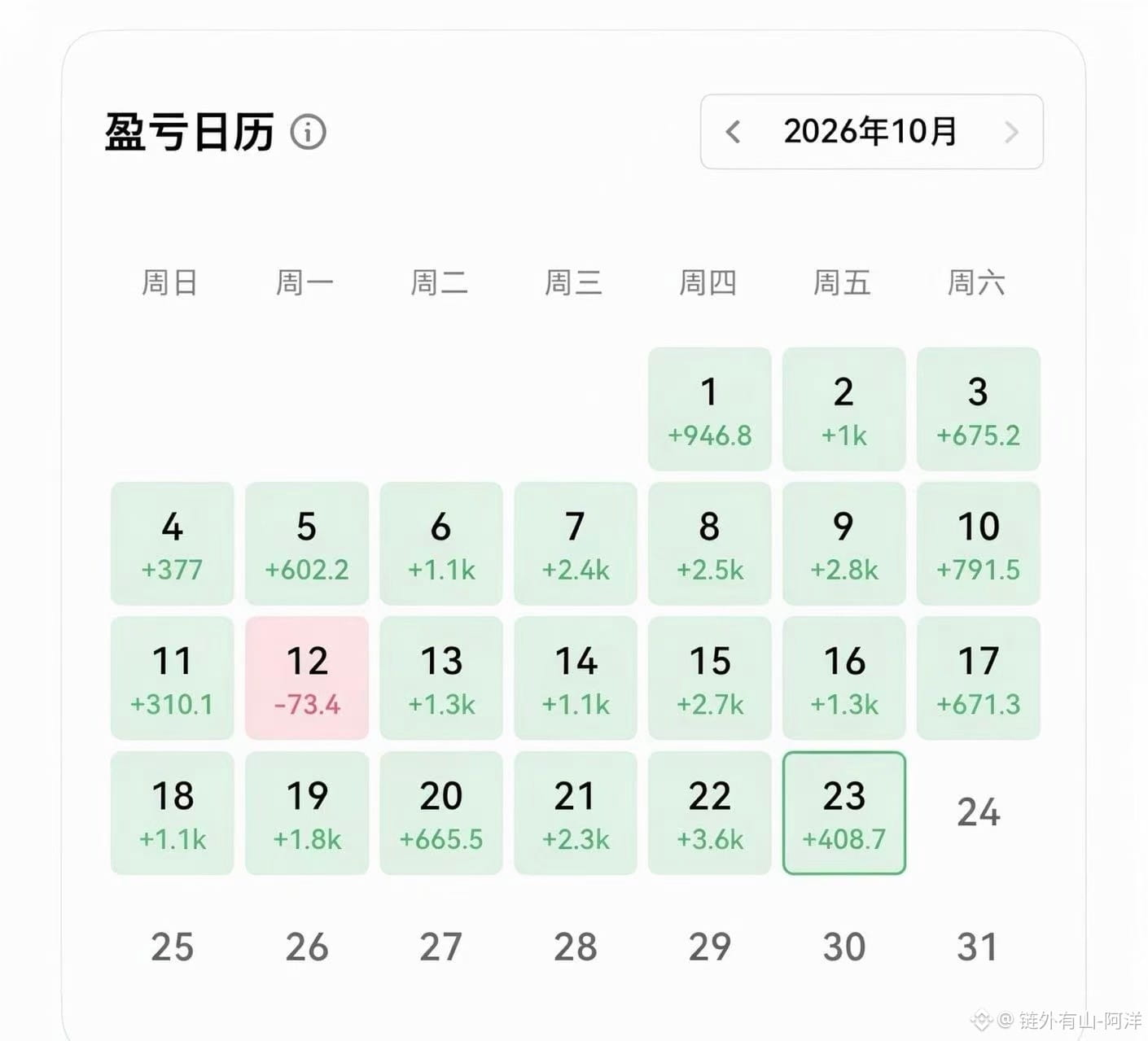
That day, 540,000 U suddenly appeared in my account.
I wasn’t excited. I just sat there stunned for a long time. All I could think about were memories of 2017—$5,000 in starting capital, a rented room, and a computer so slow it ran like a slideshow. I’d watch the market until dawn, getting knocked around again and again. Cutting a losing trade is tuition; holding on until you’re liquidated is the price of being knocked out. “Just hold on a little longer and I’ll break even” has buried too many people. What you’re topping up is wishful thinking, not your position size.
It wasn’t that I didn’t work hard back then—I had no rules at all. I chased rises and held through drops. A small win sent me over the moon; a small loss made my hands shake with panic. The position you don’t go all-in on today is what gives you a chance to trade again tomorrow. People who go all-in get carried away when prices rise and panic when they fall. Those who split their positions always have a card left to play.
From the bottom of my heart, I’ll tell you this: to this day, I’ve managed to do just one thing—train myself to be someone who can keep their hands in check. The unclear trades you pass on today won’t lose you money. Forcing your way into a trade is what gives your money away.
$BEAMX
People always ask me how I did it. I won’t talk about luck. I keep my eye on just two things—where the money is flowing, and myself.
Candlesticks are the skin; volume is the bones.
When the price is grinding slowly upward, don’t rush in. Most of the time, the money is still building up; it hasn’t started pushing yet. The falling knife you don’t catch today is capital you won’t lose tomorrow.
A sudden spike in volume followed by a sharp drop? Don’t fool yourself—that’s people getting out, not getting in. When prices plunge, don’t rush to buy the dip. Eight times out of ten, it’s a stab in the back, not free money. Every pointless trade you avoid is ammunition for when the trend arrives.
At the top, the scariest thing isn’t a drop—it’s a lack of volume. When nobody’s buying, you’re the last one left holding the flag. The assets you’ve locked away in your bank account are truly yours; the numbers in your account are just numbers.
$ON.US
At the bottom, don’t get carried away by a single big green candle. You need to see money steadily flowing in for several days in a row. That’s what a real entry looks like.
But when all’s said and done, these are still just “techniques.” What really makes or breaks you is whether you can keep yourself in check.
The biggest change in me over the past few years comes down to one sentence: when I shouldn’t make a move, I really can stay put. The loss you cut today according to plan buys you the chance to keep trading tomorrow.
So my trading is especially simple now: if I understand it, I trade; if I don’t, I don’t. I’d rather miss out than make the wrong move. If I make mistakes in a row, I stop—what needs to be shut down is your urge to win it all back, not the market.
If you really want to change, come talk.