

The October 29, 2026 Binance security incident is a stark reminder that even the largest, best-resourced exchanges are not immune. Binance estimated the total impact at around $6.3 billion, with roughly $3 billion frozen on-chain so far. Initial findings pointed to a compromised DevOps engineer’s laptop that allowed unauthorized withdrawal transactions from hot wallets. Binance stated there was no evidence of private key leakage, suspended deposits and withdrawals as a precaution, and pledged to cover all user losses from its SAFU fund and company capital, affirming that user funds remain safe.

For individual traders, the practical takeaway is clear: exchange security is never absolute. The single most effective way to limit damage is to treat exchanges as temporary venues for trading capital—not as long-term storage. Here’s a structured approach for before and after an incident.
Before a Hack: Reduce Your Exposure and Harden Your Setup
The goal is to ensure that even a complete hot-wallet compromise on one platform cannot wipe out a material portion of your portfolio.
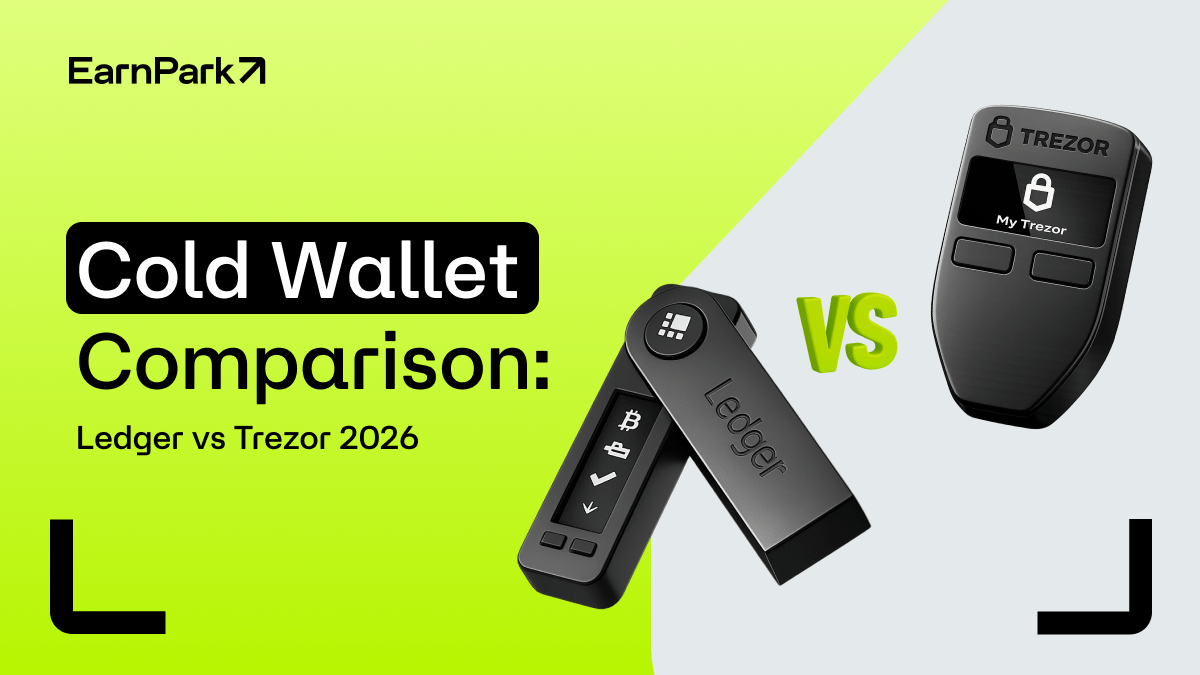
Keep only active trading capital on exchanges. Move long-term holdings to self-custody (hardware wallets such as Ledger or Trezor, or properly configured multi-sig setups). Hot wallets on exchanges exist for liquidity; cold storage exists for safety. The less that sits on any single platform, the smaller your maximum loss.
Diversify across platforms and custody methods. Do not concentrate everything on one exchange, even a top-tier one. Spread trading balances and use multiple self-custody options. A single point of failure is what turns an industry event into a personal catastrophe.
Maximize account-level security settings.
– Enable hardware security keys (YubiKey or equivalent FIDO2 devices) instead of SMS or app-based 2FA where possible.
– Activate withdrawal address whitelisting with a delay (typically 24–48 hours for new addresses).
– Set withdrawal limits and anti-phishing codes.
– Use unique, password-manager-generated passwords and revoke unused API keys (or restrict them to trade-only with IP whitelisting).
– Enable all available login and withdrawal alerts.Prefer platforms with transparent reserve funds and proof-of-reserves practices, but never rely solely on them. Binance’s SAFU has historically covered certain incidents, yet it remains a discretionary fund rather than a contractual insurance policy with guaranteed claims processes.
Practice operational hygiene. Bookmark official sites, verify domains, never click links in unsolicited messages, and regularly review connected devices and active sessions. Treat every unexpected “support” contact as suspicious until proven otherwise.
These steps do not eliminate risk, but they compress it dramatically. The majority of personal losses in exchange hacks historically come from accounts that held far more than necessary on the platform.
After a Hack: Immediate Actions and Longer-Term Response
When news of a major breach breaks (as it did with Binance), speed and discipline matter more than perfect information.
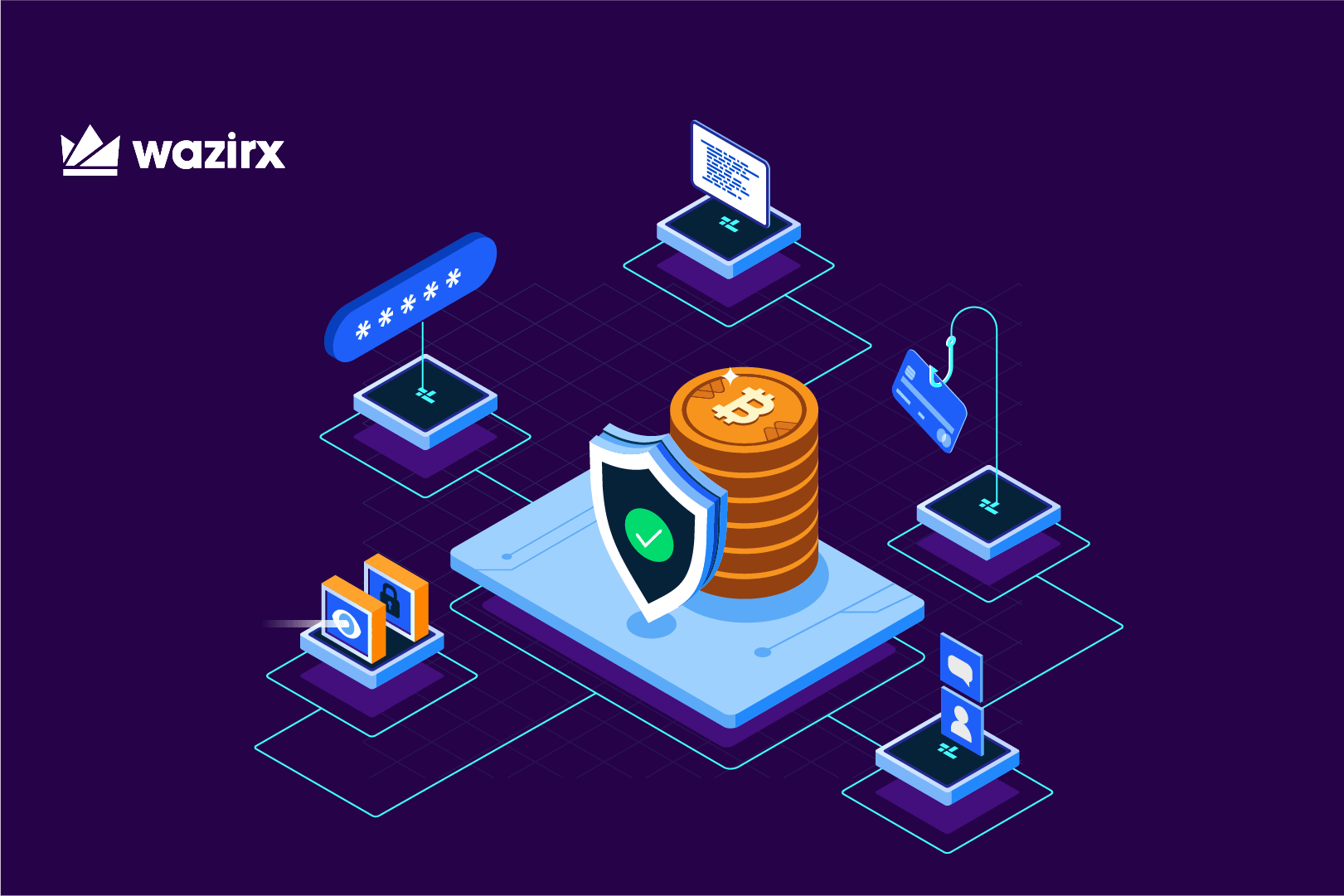
Verify through official channels only. Check the exchange’s verified X account, status page, and email from domains you already trust. Ignore DMs, Telegram groups, and “recovery” offers—phishing surges immediately after major incidents.
Withdraw remaining funds if still possible. If withdrawals are open or partially open, move anything non-essential to your own wallets. Once a full suspension is in place (as Binance implemented), you must wait for the platform’s remediation timeline.
Lock down your accounts. Change passwords, revoke all API keys, review and clear active sessions, and confirm 2FA devices. Assume any credentials that were recently used could be at elevated risk.
Document everything. Screenshot balances, transaction histories, and official announcements. This creates a clear record if claims processes, insurance reviews, or regulatory inquiries arise later.
Stay calm on the trading side. Large exchange incidents often trigger sharp market moves and liquidations (Bitcoin slid toward the mid-$70,000s in this case). Avoid panic selling or leveraged positions based on incomplete information. Cash (or stablecoins in self-custody) is a position.
Monitor recovery developments. Track official updates on frozen assets, SAFU or insurance deployment, and the timeline for withdrawal resumption. Be realistic: even when an exchange pledges to make users whole, operational and on-chain recovery can take time.
Reassess your overall allocation. Use the event as a forced review. Recalculate how much of your portfolio is truly in self-custody versus exchange custody and adjust accordingly.
Key Takeaways
Exchange hacks will continue. Hot wallets are operational necessities; they are also attack surfaces. The traders who suffer the least are those who already practiced the “not your keys, not your coins” principle before the headlines appeared. Reducing exchange balances, enforcing strict withdrawal controls, using hardware-based authentication, and maintaining diversified self-custody are the highest-ROI actions available to individual participants.
Binance’s commitment to cover losses from SAFU and company funds is a positive signal for users of that platform in this specific case. It does not change the structural reality for the broader market: self-custody and minimal exchange exposure remain the most reliable forms of protection.
Not financial advice. Security practices and exchange terms can change. Always verify current settings and official statements yourself.
BRIAN TRUONG
SAFELY TRADE /HOLD $BTC | $XAU WITH BINANCE