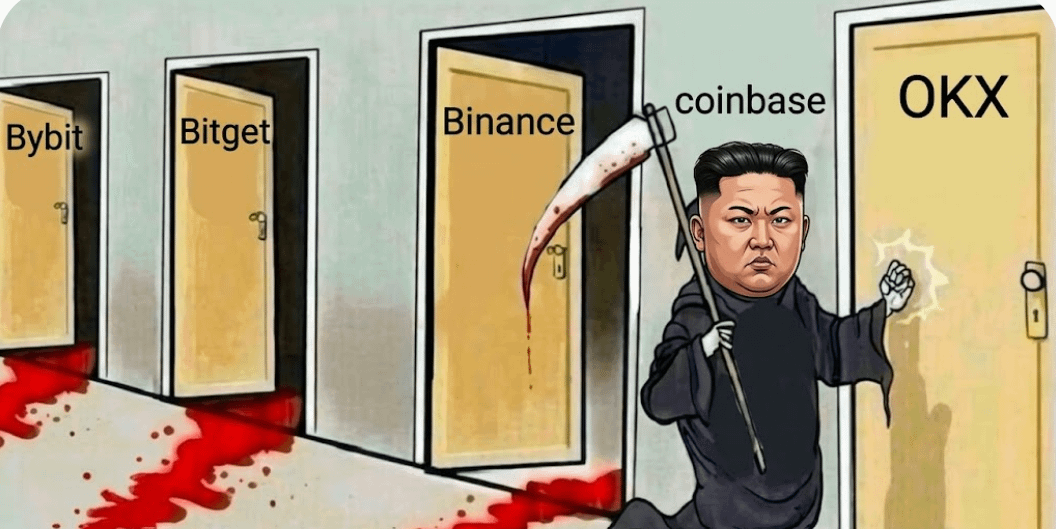
Evolution of laundering methods
1. Early primitive stage (2014–2018)
Mixers: Used early tools such as BitMixer to break up BTC.
Over-the-counter trading and small exchanges: Deposited directly into small exchanges with no KYC requirements and converted the funds into fiat currency or other altcoins.
Darknet markets: Transferred funds in batches to AlphaBay or Hydra, using withdrawal services to convert them into fiat currency, gift cards, or Monero.
2. Mid-stage decentralized technology (2019–2023)
DeFi: Quickly exchanged various ERC-20 altcoins for ETH or USDT on $UNI , 1inch, or Curve.
Privacy chains: Shuffled funds on-chain, depositing $ETH and withdrawing it from a fresh address. Used cross-chain bridges such as RenBTC and Thorchain to convert ETH across chains into BTC, then transferred it to Monero for complete anonymity.
3. Composite methods and fabricated liquidity pools (2024–2026)
Cross-chain hopping and mixers: Lazarus turned to newer mixers such as Railgun, Sinbad, and YoMix.
Self-created token pools: Issued worthless tokens and created liquidity pools. Then, using other anonymous addresses under their control, injected worthless tokens into the pools to “drain/exchange” them for legitimate USDT/ETH.
Professional outsourcing: Subcontracted to multiple specialized on-chain OTC teams or underground operators to quickly cash out at a discount, shifting the risk to intermediaries.
There is no safest way to hold funds—only ways to spread them out. Where do you keep most of your funds?
冷錢包
熱錢包
交易所
DEX
22 hr(s) left