Everyone, today’s candle for $ZEC is looking interesting.
I checked a few sources. Here’s my synthesis.
Up 3.801% over 24 hours, with an intraday high of 1397.58 and low of 1230.00, and a trading volume of 2.16 billion USDT.
5.47 million trades.
The 4-hour candle at 16:00 was -2.292%, while the one before it at 12:00 was still +6.569%. The intraday range was 13.62%.
A spike followed by a pullback—I recognize this pattern.
Privacy has seen real growth this year. About 4.96 million ZEC are held in shielded addresses, accounting for 29% of the circulating supply. At the start of 2025, that figure was only 12%.
Funds are moving from transparent addresses into shielded pools, like locking some of your chips away in a drawer.
The average number of daily transactions is about 11,300, up 70% year over year. The share of shielded transactions has risen from 24% to 62%.
When I first saw that 62%, I paused. I checked twice before I believed it.
This isn’t just talk about privacy—real money is changing where it sits.
There’s another factor around November 5.
The NU7 upgrade will cut block times from 75 seconds to 25 seconds, and temporarily remove 60% of the fees per block from circulation.
That portion being taken out is like a short-term supply cut. It won’t be released back until February 2031.
Grayscale’s ZCSH had net assets of about $708 million on October 26. Institutional investors have already stepped in.
But the investors who step in can cash out at any time, too.
Over the same period, $BTC was up just 0.130%. The main trend hasn’t moved; money is looking for opportunities on the fringes.
The pot is only so big. When money rushes in all at once, whoever’s closest to the pot gets served first; the rest have to wait for the next round.
For now, my stance is to keep watching and see whether the market buys into it once that November 5 catalyst plays out.
What do you think this cut will affect—supply or confidence? Let’s talk in the comments.
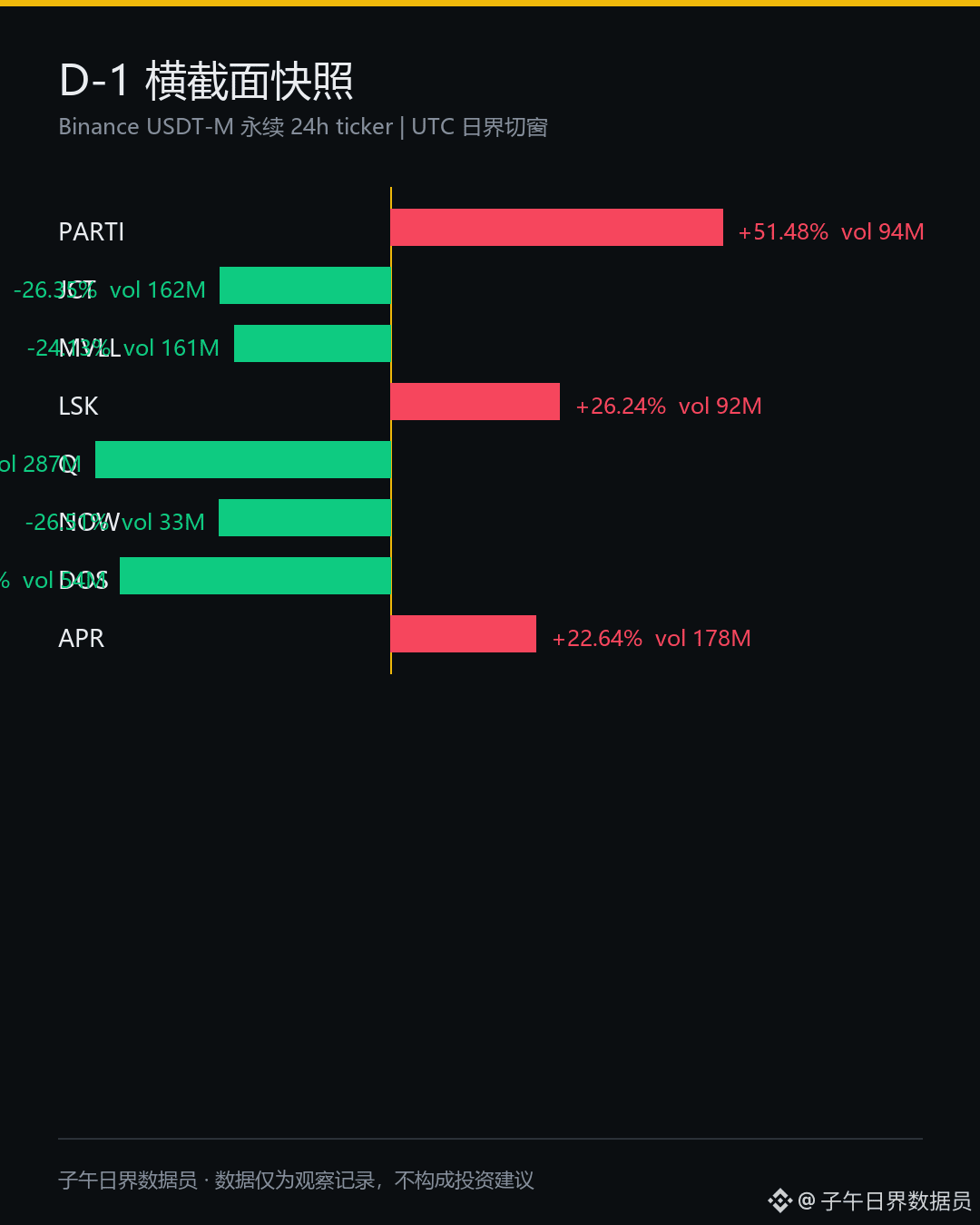
$PARTI
#PARTI #JCT #Crypto
These are notes from my personal trading system and observations of market data. They do not constitute investment advice.