I tried Kite Agent Passport from scratch, from signing up to getting an Agent to actually pay for an API call. It took about twenty minutes. The process was more “rough around the edges” than I expected—no fancy interface, just the command line.
First, sign up and log in, then verify your email. Next, register an Agent and specify its type; I chose research assistant. Then open a “spending session.” This is the heart of the whole product: you have to clearly state what the task is, the maximum per transaction, the total spending limit, when it expires, that it can only spend USDC, and that it uses x402. I set the per-transaction limit to 2 U, the total limit to 10 U, and the duration to 24 hours. After opening the session, you still have to approve it manually once.
Next, search for services. I typed “weather” and got a list of paid APIs that support x402. Finally, send a request. The API first returns a price, then the payment is made automatically within the session limit. Retry, and you get the data. I didn't manually transfer money even once during the whole process.
Three things stood out to me.
The friction at the authorization step is deliberate, and just right. During approval, you see a plain-language description of the task, not a pile of parameters. That detail determines whether ordinary people will feel comfortable using it.
The service directory is still in its early days. Most of what you can find are API services. The tangible shopping and ticket booking that would really make people say “wow” are still in the pilot phase.
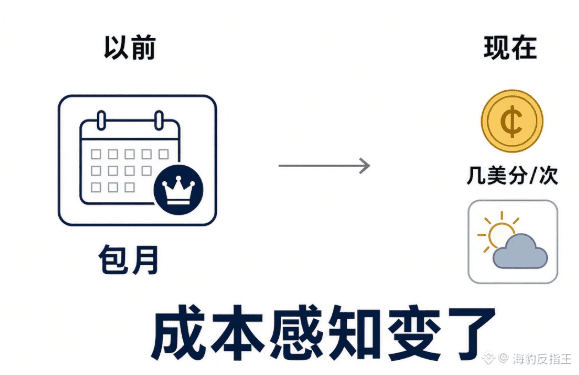
The way you think about costs changes. Before, using AI meant a monthly subscription. Now it’s “this call costs a few cents.” Once pay-per-call becomes the default and Agents automatically compare prices, that’s when the Agent economy will truly begin.
@KITE AI 中文 The product's features are all in place now, but the ecosystem is still thin. The value of infrastructure has never been about whether it’s great to use in its first year, but about how everyone who comes after has to build on top of it.$KITE
#KiteBBW