

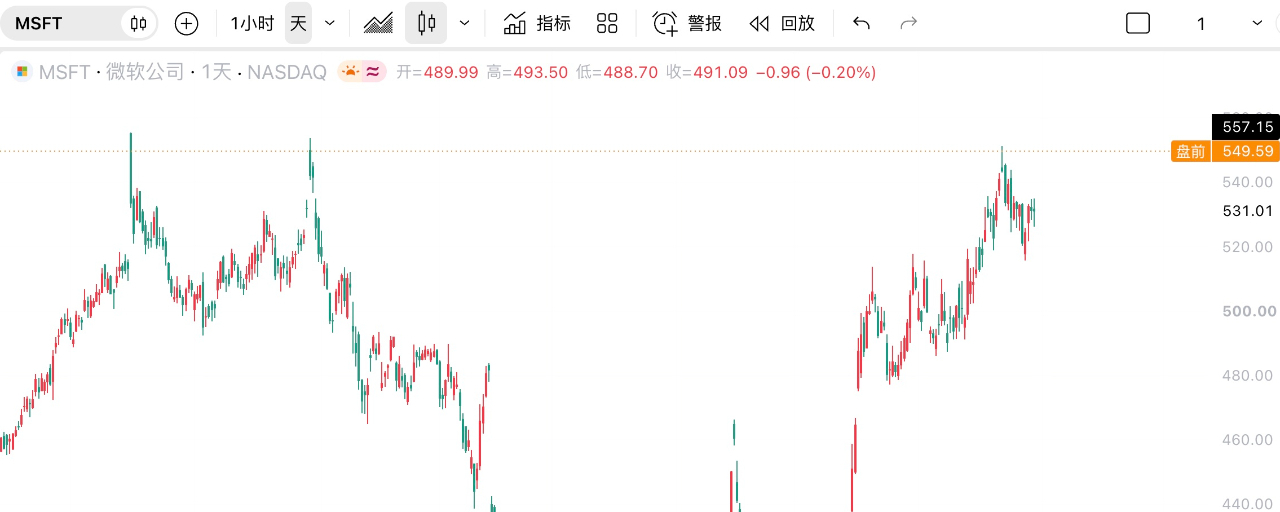

After looking at Google, I’m now reviewing Microsoft’s earnings. Both reported earnings, so why is Microsoft’s stock up premarket?
Microsoft’s earnings analysis follows the same framework as Google’s: look at five factors—revenue + AI capital expenditures + free cash flow + forward guidance + Azure or AI monetization.
Revenue: Excellent, with growth reaccelerating. Revenue, operating income, EPS, and cloud performance all exceeded expectations.
AI capital expenditures: Very high, but backed by Azure and AI revenue growth amid capital expansion. This is effective, healthy expansionary capex, inspiring greater market confidence than Google’s capital spending.
Free cash flow: It continues to grow. Even with annual AI infrastructure investment exceeding 100 billion, FCF remains positive. Although free cash flow is still being constrained by capital expenditures, earnings provide a solid foundation, so the company can at least maintain a balance between income and expenditure.
Azure: The core business remains the strongest metric in the earnings report, growing 48% year over year. Over the past few quarters, growth has climbed from 39% to the current 48%. Despite its enormous revenue base, Azure is accelerating again, further confirming that Microsoft’s AI commercialization is becoming more mature.
Forward guidance: Azure growth at constant currency is expected to reach 49%–50% next quarter. If that figure is achieved, it will further demonstrate that Azure’s growth is still accelerating. #微软财报能否兑现ai红利
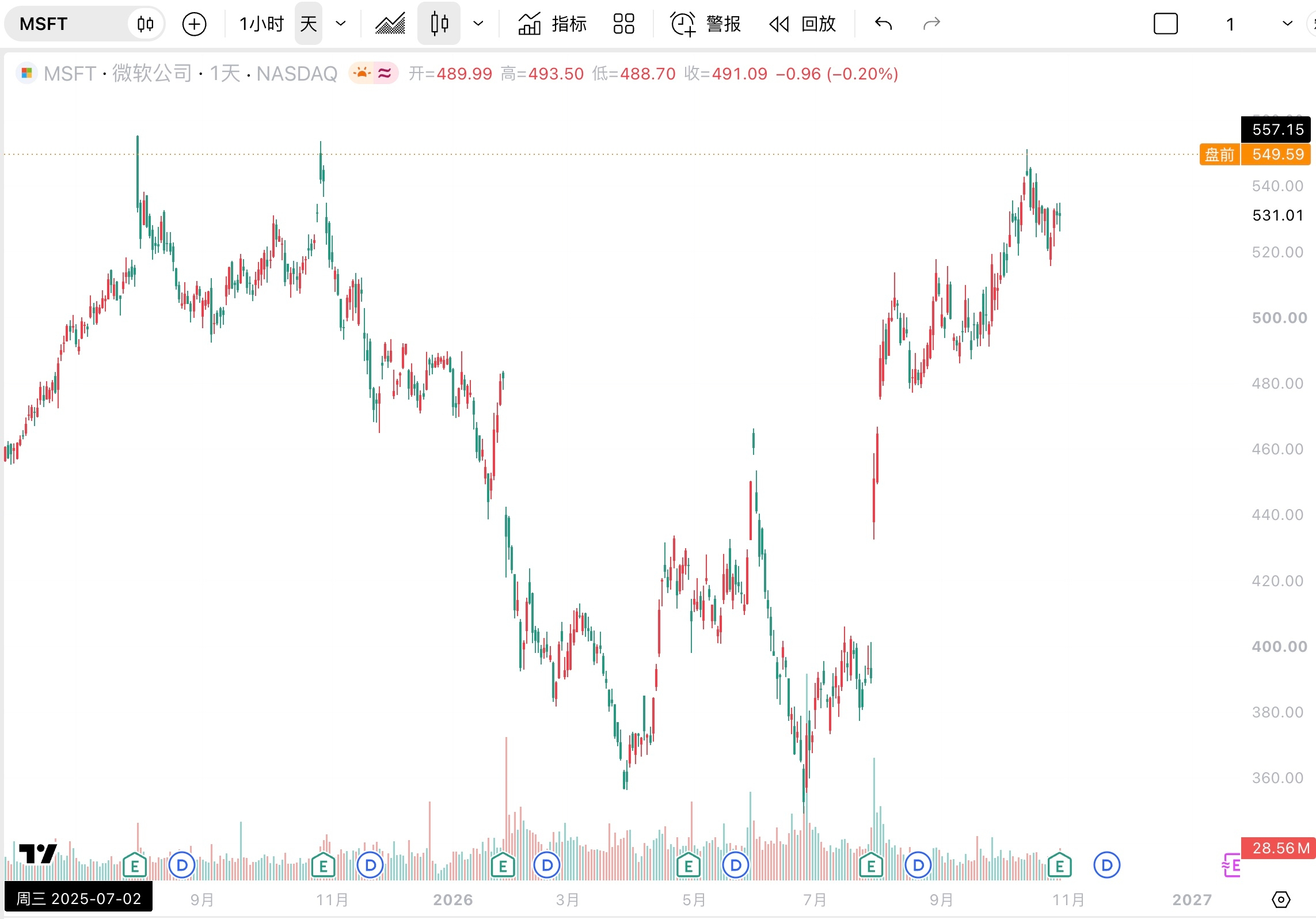
AI monetization: Microsoft’s AI monetization isn’t driven solely by Azure’s 48% growth. Foundry revenue grew more than threefold year over year, its customer base exceeded 120,000, and revenue from open-source models on Foundry grew tenfold. This means Microsoft has built a complete platform spanning models → agents → Azure compute → enterprise deployment.
Copilot is also growing steadily. Together with Azure and Foundry, this largely validates Microsoft’s ability to generate profits across all three layers: AI infrastructure, AI platforms, and AI applications.
Looking at the key elements of Microsoft’s earnings report and comparing them with Google’s, the gap between the two is not as large as one might imagine. But Microsoft has one key advantage over Google: it has proven that its AI business is profitable—and profitable across the board. Although free cash flow hasn’t accelerated, it has reached a temporary breakeven point, and these results are exactly what the market most wanted to see.
Still, as I’ve said before, both Google’s and Microsoft’s core cloud businesses remain very strong, and their fundamentals are sound. It’s just that, under macroeconomic pressure, the market is more willing in the short term to reward Microsoft’s earnings and valuation!