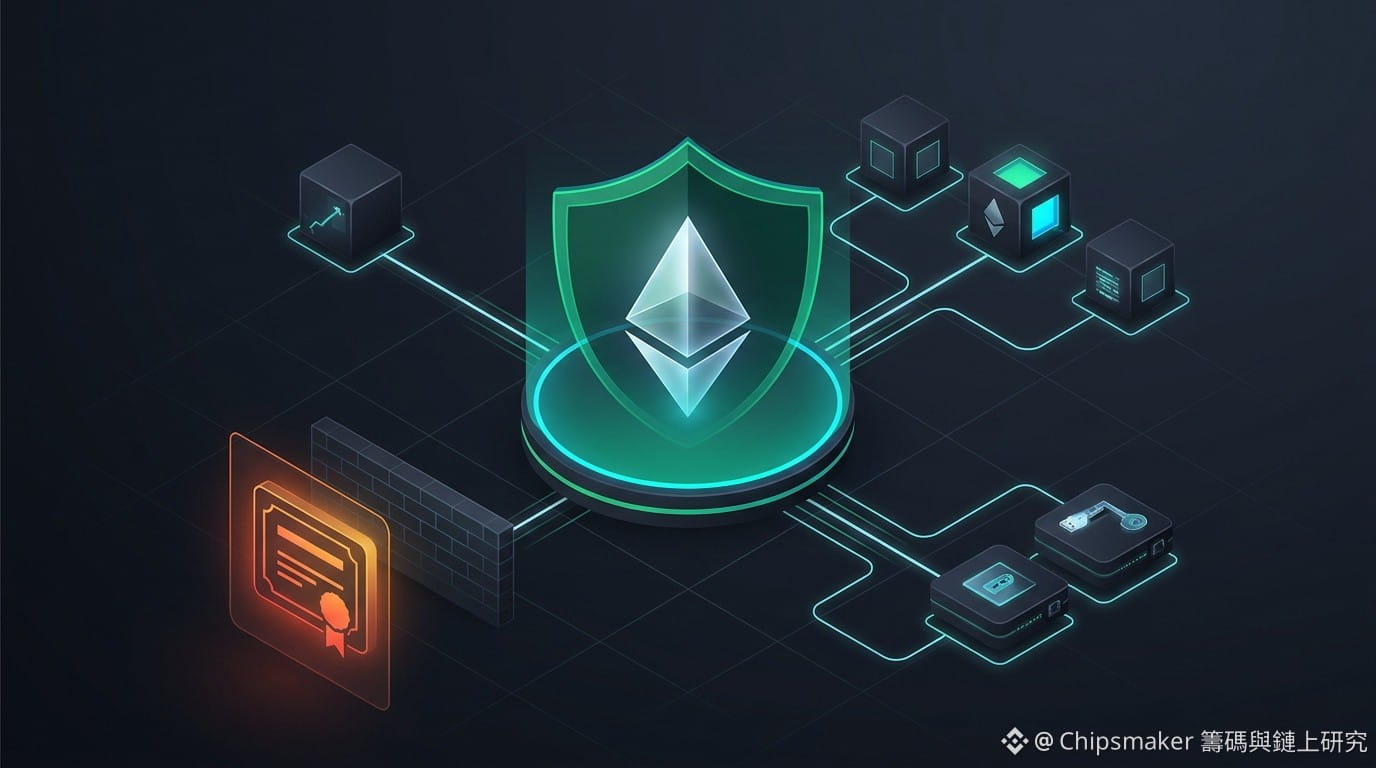
Ethereum staking nodes usually appear to operate independently, but if the digital identity certificate they use to connect externally is forged, the transaction fees earned by validators could be intercepted in transit.
【The certificate vulnerability: what happened】
According to BlockTempo, Indian certificate authority eMudhra recently suffered a private key vulnerability: the private keys of eight of its intermediate units were cracked due to insufficient randomness. Although major browsers had already blocked these certificates, Ethereum’s major clients Teku and Besu rely on Java, which by default does not actively check certificate revocation status. As a result, node Docker images continued to trust these compromised certificates.
【Potential risks and fixes】
According to an assessment by security team Consensys Diligence, if an attacker launches a man-in-the-middle attack between a node and an external signer or MEV service, they could impersonate a legitimate party and trick validators into sending block fees to the attacker’s address. Teku has now released version 26.10.3, and Besu version 26.10.2; both have completely removed their trust in eMudhra. The teams emphasized that default mainnet nodes were not affected and that no attacks have been reported so far.
【Token impact and market conditions】
This incident is directly linked to Ethereum’s native token, ETH. According to Binance spot market data, ETH is currently trading at around $2,315, down approximately 2.07% over 24 hours. Although Ethereum’s consensus layer itself has not experienced a split, the security of staking validators’ cash flows is a pillar of ETH staking yields. If independent stakers or staking pools suffer fee losses because they fail to update in time, confidence in the staking ecosystem is likely to be dampened.
【Indicators to monitor】
I don’t think this incident will trigger a wave of sell-offs, but two specific indicators are worth tracking: First, whether Ethereum’s network-wide block proposal success rate and attestation participation rate remain above 99% over the next 48 hours; second, whether stakers running self-built nodes outside of Docker can complete their host-side Java certificate updates by the end of this week. As long as nodes complete the upgrade smoothly by the end of October, with no unusual fee transfers, market attention will quickly return to Ethereum’s overall spot market liquidity.
This is solely my personal analysis. Please do your own research before investing (DYOR).
$ETH