【AI can do more than analyze the market—it could trade crypto for you? U.S. regulators are taking notice 🤖】
⚖️ 加入X先生的粉丝群聊跟进
In the future, you may not need to watch the markets, analyze the news, or even place orders yourself. AI could handle trades for you. But if the AI makes a mistake and loses money, who should be held responsible?
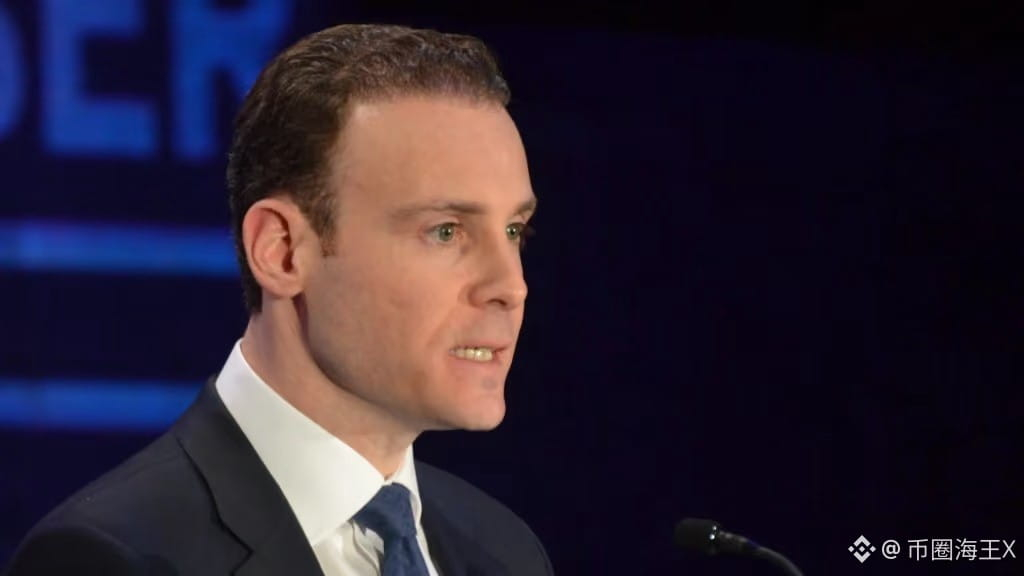
📢 On October 28, Mike Selig, chairman of the U.S. Commodity Futures Trading Commission (CFTC), said at an AI forum that the convergence of AI, crypto assets, and financial infrastructure could move markets toward truly “autonomous trading.”
Put simply, AI agents may do more than offer buy or sell recommendations. They could analyze markets, find trading opportunities, and execute trades on users’ behalf. Blockchain could allow these agents to hold and trade crypto assets directly, reducing reliance on traditional intermediaries.
⚠️ But this new approach also raises regulatory challenges:
🔹 Who is responsible when something goes wrong? If an AI makes a bad decision or trades without authorization, is the user, developer, or platform liable?
🔹 How do we identify who is trading? Traditional finance requires institutions to know their customers. Will we also need a “Know Your Agent” (KYA) framework to establish whom an AI represents when it trades?
🔹 Could AI amplify market volatility? If many AIs use similar models and make similar trading decisions at the same time, they could create concentrated buying or selling, making market surveillance and risk management more difficult.
It’s worth noting that Selig said CFTC staff are already using AI to strengthen market surveillance. AI could become both a regulatory tool and a new subject of regulation.
📌 The real question isn’t whether AI can trade crypto for people, but whether accountability, identity verification, and risk controls can keep pace as trading becomes increasingly automated. The forum raised these questions but did not announce any new AI regulations.
In the crypto markets of the future, competition may not be limited to capital and strategies—it may also be about who can use AI more effectively and manage risk better.
#CFTC