Let’s talk about proposer-builder separation.
In the MEV-Boost process, builders assemble transactions into blocks and submit bids. Relays forward the bids to the validators proposing blocks, and the validators choose the highest bid.
Honestly, I only learned this later: when swapping on a DEX, you can choose a private transaction channel that supports MEV protection to reduce the chance of your transaction being sandwiched.
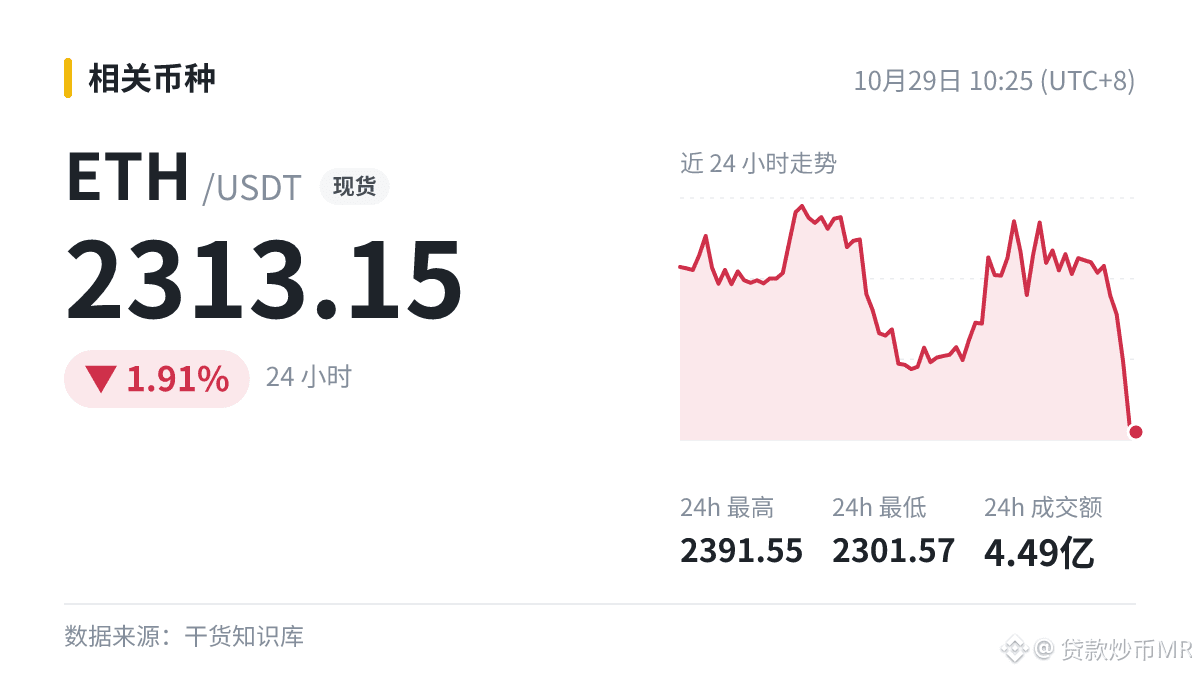
For blocks produced through MEV-Boost, the builder pays a bid of $ETH to the validator proposing the block. Currently, 2313.15.
If something is unfamiliar, it’s safer to take it slow and practice with small amounts first.
#ETH
The data is for reference only; make your own decisions.