

Saudi Arabia asks Trump to hold off on war and extend negotiations
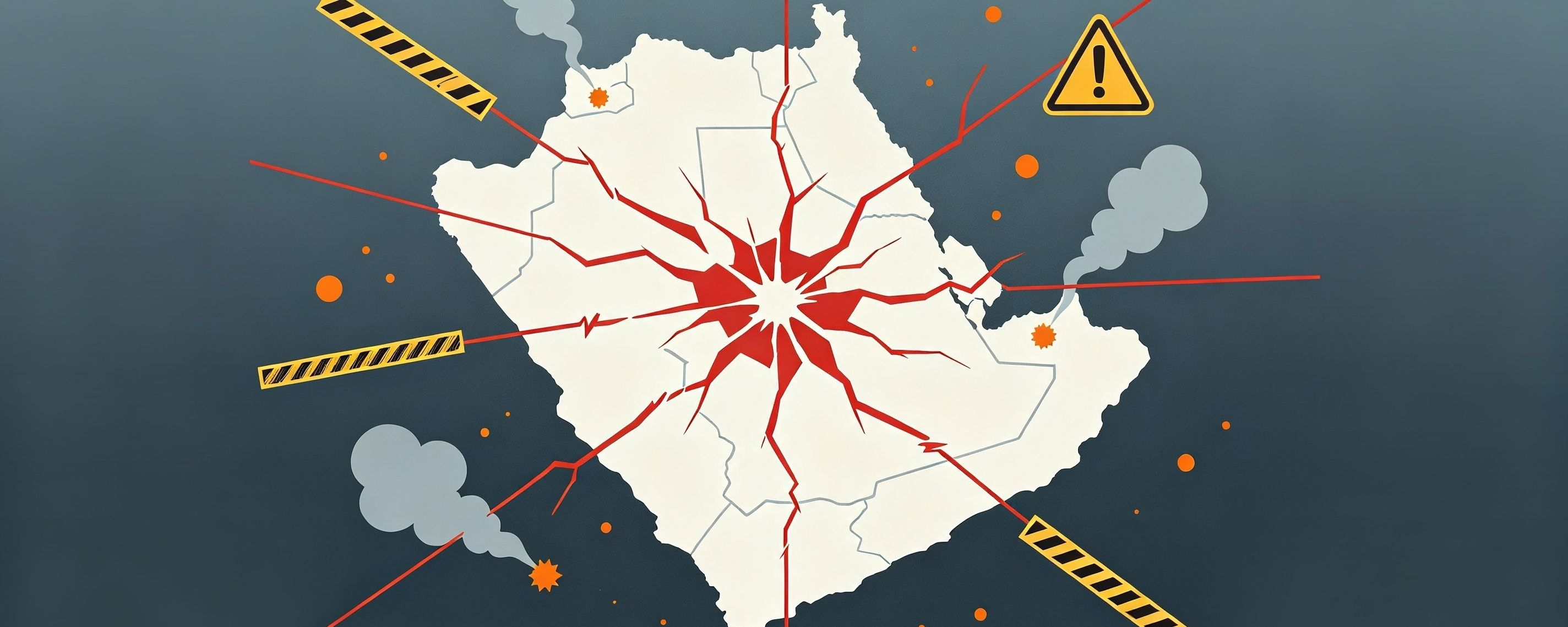
The situation in the Middle East has reached a dangerous tipping point. Saudi Arabia has appealed to U.S. President Trump to hold off on military strikes against Iran and allow more time for negotiations. It is seeking to prevent a full-scale regional conflict through diplomatic mediation and avert the spread of war, which could affect Gulf states and global energy markets.
With the U.S. military already deployed in preparation for war and ready to launch strikes at any moment, Saudi Arabia has taken the lead in urgently contacting the White House alongside Qatar, the UAE and other Gulf states, conveying a clear request: hold off on military action and leave room for negotiations. Saudi Arabia’s foremost concern is possible Iranian retaliation. If the United States directly strikes targets on Iranian soil, Iran is highly likely to retaliate against oil facilities and ports in the Gulf region, as well as shipping in the Strait of Hormuz. Saudi Arabia’s domestic oil and gas facilities would then be directly exposed to the risks of war, dealing a huge blow to its economy and severely disrupting the global crude oil supply chain.
Saudi Arabia’s strategy is to mediate on two fronts: on the one hand, pressure the Trump administration to persuade the United States to prioritize diplomacy; on the other, senior Saudi officials have recently traveled to Tehran for talks with Iran. Together with Pakistan and Turkey, they are working to de-escalate tensions, establish channels of communication, secure a temporary ceasefire framework, and bring all sides back to the negotiating table. Saudi Arabia does not want to be forced to choose sides in the U.S.-Iran confrontation. If the conflict escalates, the entire Gulf region could be caught in its crossfire.
Trump has already postponed strike plans several times at the request of Gulf allies. He has publicly stated that, following appeals from allies, he agreed to temporarily delay military action while keeping his options open: if negotiations fail to produce an acceptable agreement, the U.S. military could resume large-scale strikes at any time. This state of “pausing but not abandoning the use of force” has kept the Middle East on a knife’s edge.
From the perspective of global commodity markets, the risk of military conflict has long been the most important factor supporting crude oil prices. Market traders are closely watching to see whether Saudi Arabia’s mediation succeeds: if the window for negotiations is extended and the risk of war eases in the short term, oil prices will likely come under pressure and fall. If talks collapse and Trump follows through on his strike plans, expectations of disrupted shipping through the Strait of Hormuz could quickly drive up crude prices, while also boosting gold and other safe-haven assets. The dollar would also attract safe-haven flows.
Saudi Arabia’s mediation efforts also face significant obstacles. Israel has consistently advocated taking a hard line and launching strikes against Iran, and does not support extending negotiations indefinitely. Divisions also persist between hard-liners and moderates within Iran, while hawks within the Trump administration continue to push for military action. With so many competing forces at play, it will be no easy task for Saudi Arabia to preserve room for peaceful negotiations.
For Saudi Arabia itself, this diplomatic initiative also reflects its pursuit of an independent regional strategy. Saudi Arabia does not want its national security to be entirely tied to U.S. decisions on war. By attempting to independently mediate U.S.-Iran tensions, it seeks to reduce the impact of external conflicts on its own country and gain greater strategic initiative amid competition between major powers.
Markets will focus on three key signals going forward: first, whether Trump accepts Saudi Arabia’s appeal and extends the negotiating window; second, whether an interim agreement between the United States and Iran can be implemented; and third, whether shipping through the Strait of Hormuz is disrupted. Every shift in the situation in the Middle East quickly feeds into the pricing of global crude oil, foreign exchange, and various risk assets.