⚖️ 合规风向,进群一起看
#Airbnb removes checkout chores
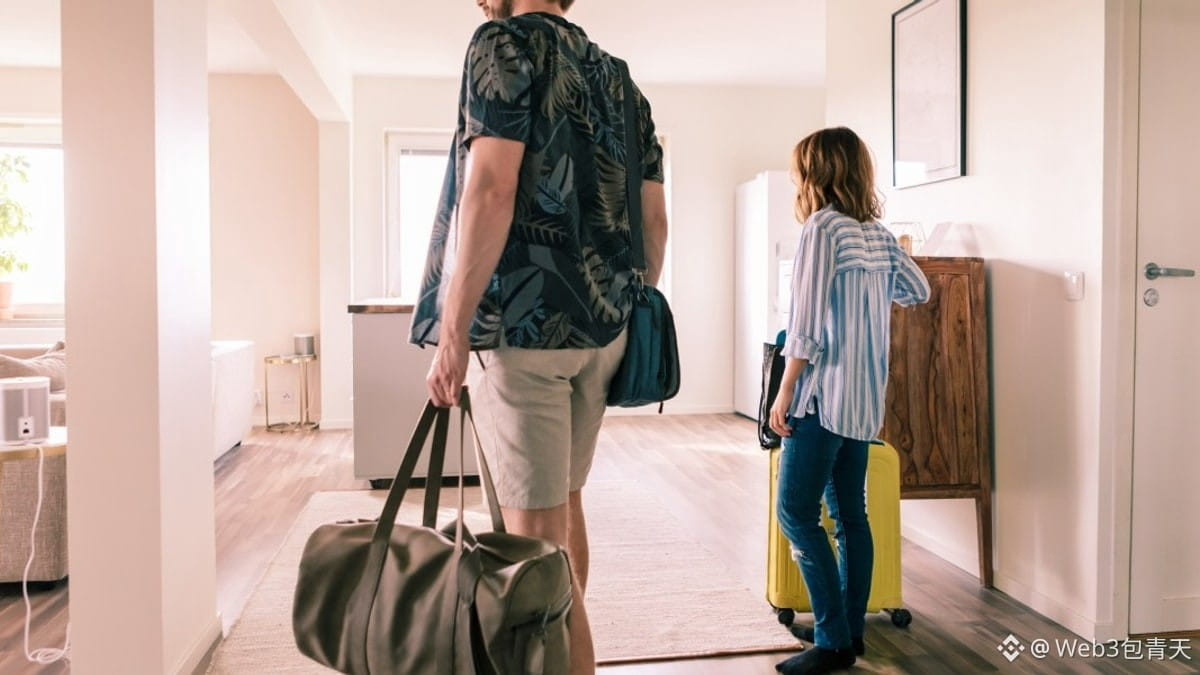
Airbnb has removed checkout chores from its rules.
The new policy was announced on October 20.
It applies to bookings made after November 20.
Hosts can no longer ask guests to strip the beds, take out the trash, or wash the dishes.
The reason: those are the cleaners’ jobs.
Hosts’ reactions were immediate.
Some threatened to boycott the platform.
Others plan to raise their cleaning fees.
Cleaning fees are the only charge on the platform without a cap.
When comparing prices, guests see the total cost.
If hosts raise their prices, the algorithm will sort the market accordingly.
The people who ultimately pay are still the guests.
The platform can control the rules, but not the prices.
Guests may think they’ve won, but the bill will tell them otherwise.
We’ve seen this dynamic plenty of times in crypto, too.
Transaction fees go down, then slippage goes back up.
Subsidies are withdrawn, and annualized yields shrink along with them.
In crypto, fee transparency affects trust more than whether fees are high or low.
When the rules change, costs don’t disappear—they just show up under a different line item.
Do you think this is a correction or just shifting the costs? Share your thoughts in the comments.