Is Bitcoin really going to take another big leg down?
I don't think that's necessarily the case!
Lately, the most common thing I hear on the trading feed is that Bitcoin is bound to plunge again. Some people are watching $75,000, others $72,000, and others $68,000. But the most important thing isn't the price levels people are watching—it's that retail traders have once again, almost unanimously, turned bearish. I checked the on-chain data today, and the cumulative number of limit orders at $75,000 keeps growing. But that's exactly what worries me: when most people are pricing in the same direction, the market often moves the other way! Here's why:
1. Technicals: It's been 36 days of consolidation since the breakout on September 21, compared with just 27 days of consolidation in the previous move. A prolonged period of choppy trading and shakeout is either the calm before a sharp drop or a buildup before a big rally. I lean toward the latter. Technically, $80,000 is the key level this time around, just as $75,500 was during the previous consolidation. A break below it points to a pullback; holding above it points to a breakout. Even more interestingly, before the previous rally, price made several fake breakdowns on the 4-hour chart. We can clearly see something similar happening now, with price repeatedly moving back and forth between $79,000 and $80,500!
2. Macro: The Fed's rate decision is on the 29th, and the market is largely pricing in no rate hike. The market has already priced in the possibility of a hike, so I think the uncertainty will be behind us either way. How high the market can rally will mainly depend on Warsh's remarks. With the midterm elections coming up on the 4th, this election is primarily about which party controls the House and Senate. As long as neither side wins complete control, the result should be positive for the market. After the last midterm elections, the market started rallying.
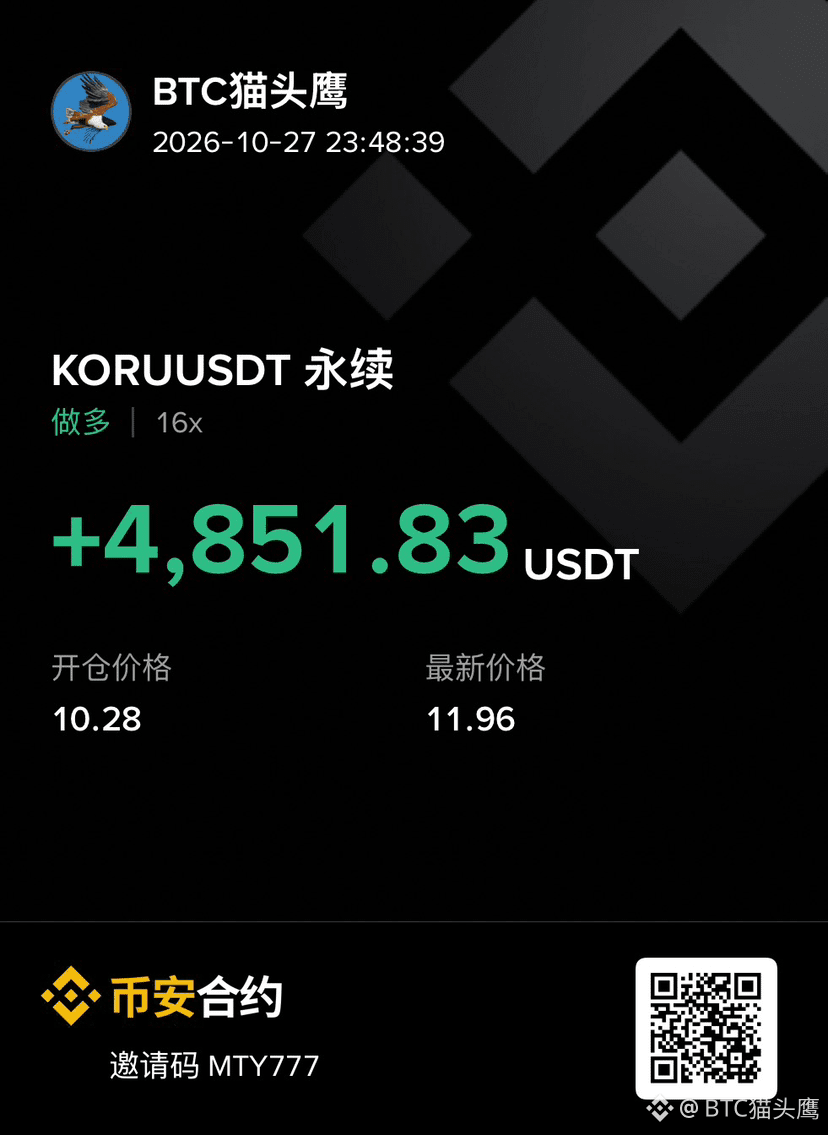
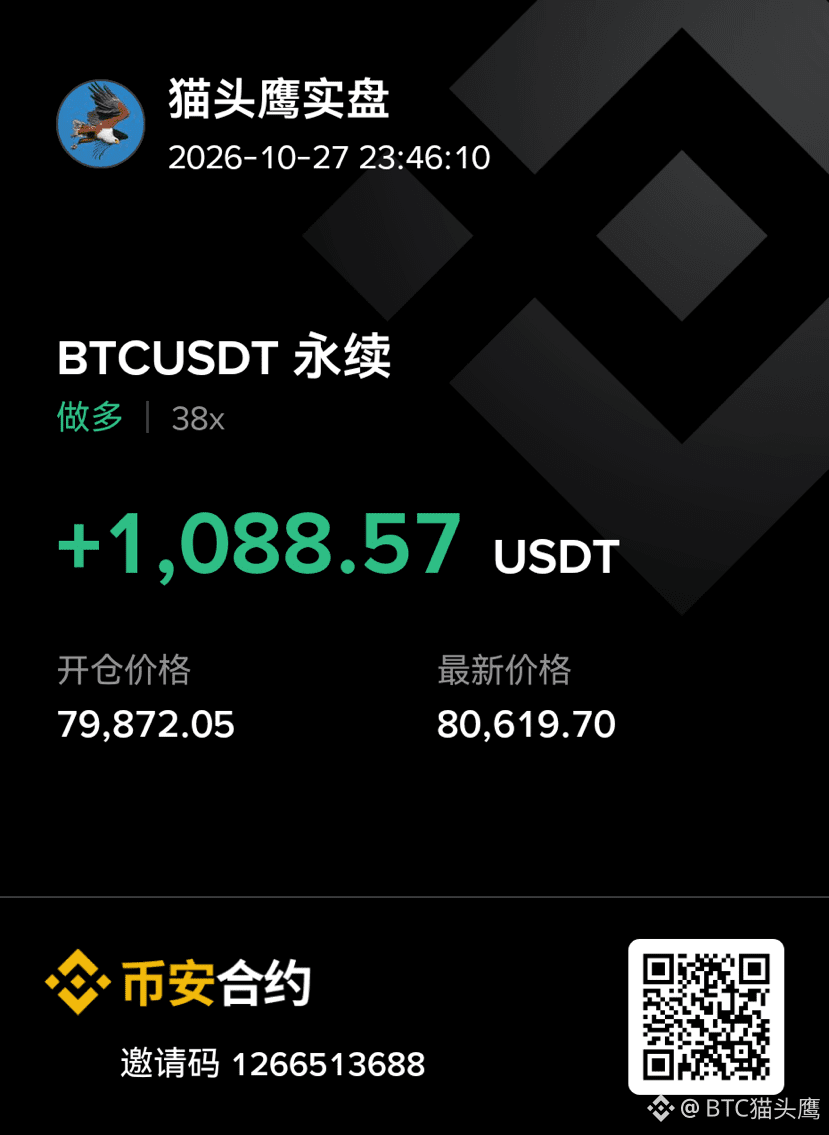
3. From an overall trading perspective, it doesn't make sense for the big players to push price below $79,000, then drop it to $75,000 and let a bunch of leveraged longs enter. Put another way, if the big players really take it down to $75,000, there's a good chance it will keep falling. So I'm choosing to get in early between $78,000 and $79,500. If it breaks below $77,000, I can cut my losses. If it rallies, my risk-reward ratio will be phenomenal! Shorting here doesn't offer much value, so I'll stay firmly long and stick to strict take-profit and stop-loss levels!
Finally, I want to say that when trading, you need to find a system that works for you. Someone else's system may be great, but that doesn't mean it's right for you. Don't follow too many people's strategies, or you'll never become a consistently good trader.