In 2025, humans had just pushed the three-dimensional Kakeya conjecture forward by a big step. In October 2026, OpenAI said an internal model had pushed the local smoothing conjecture to all dimensions, and also formalized it in Lean.
Media headlines framed it as the king’s conjecture being instantly solved by AI overnight, which sounds thrilling. But the repository itself says very clearly: these materials are more like raw research data, some results may have issues, and they still await peer review. It had just withdrawn several manuscripts in early October.
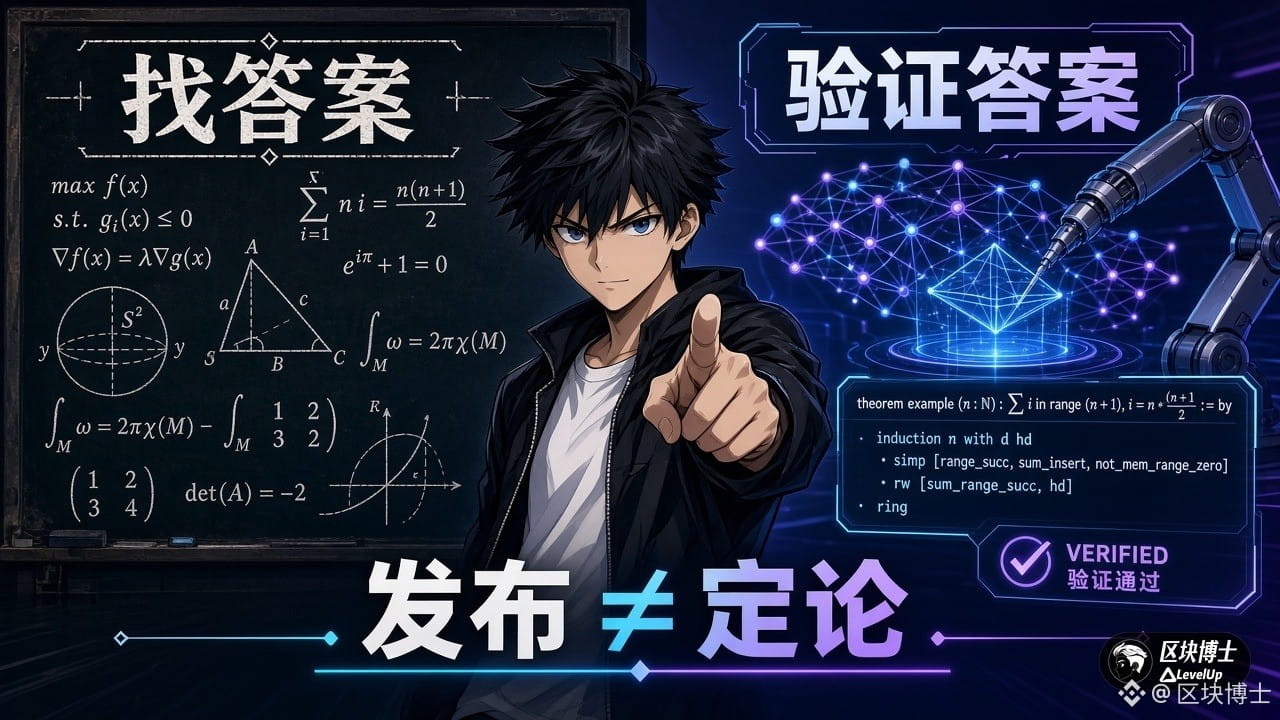
My understanding is that the research bottleneck is shifting from finding answers to verifying them. If you still see AI only as a chat toy, you may be underestimating how fast it is changing the division of labor; if you treat every breakthrough headline as final, you may be overestimating the truth of publication itself.
$TAO $FET