$BTC
SK Hynix to Return 100 Trillion Won to Shareholders, Yet Its Stock Remains 56% Below Its Peak: Cold, Hard Cash Can’t Buy Back Trust
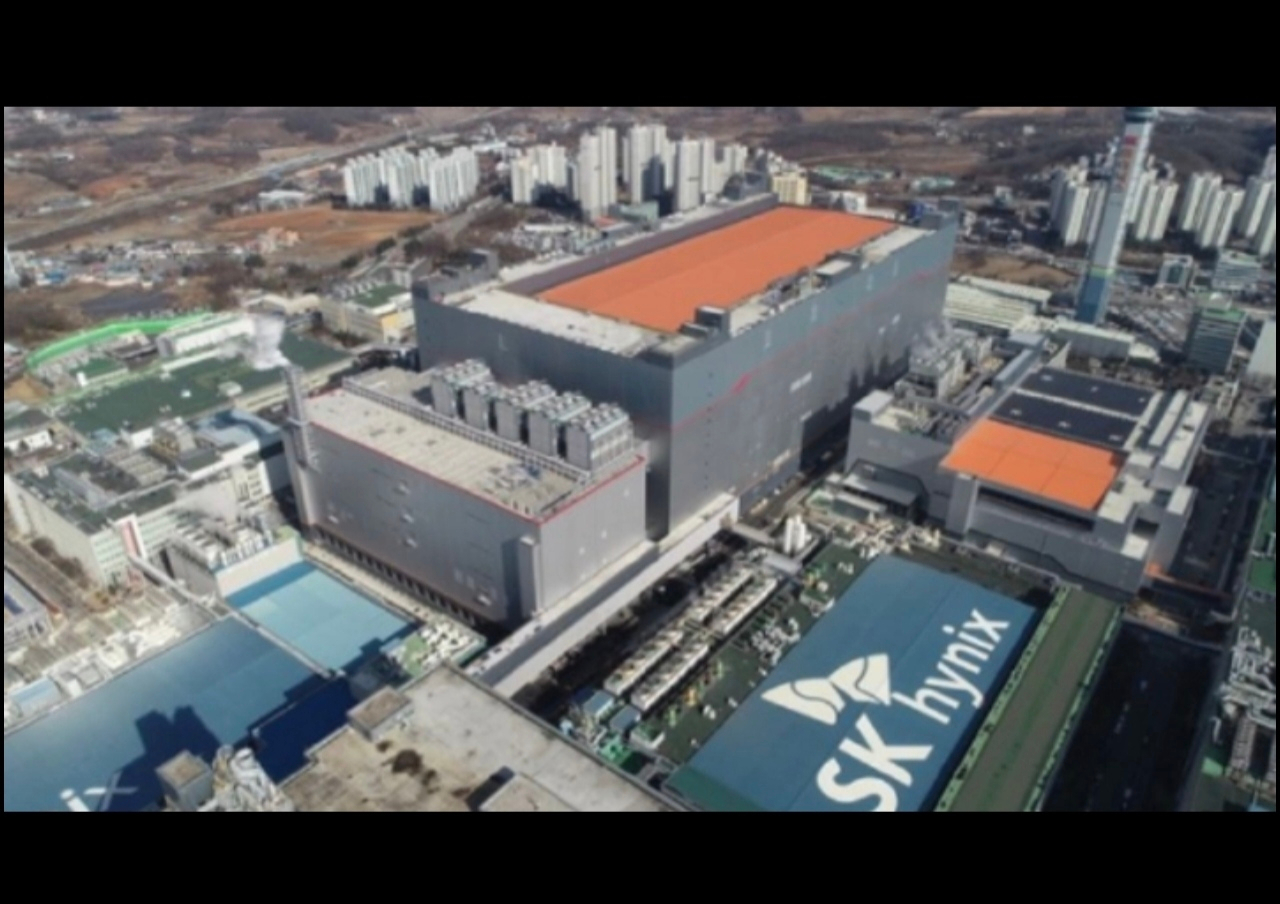
On October 26, SK Hynix unveiled a major plan: it intends to add 50 trillion to 60 trillion won in shareholder returns. Together with the 40 trillion won in buybacks and cancellations already completed, total returns for the year are expected to reach 90 trillion to 100 trillion won—a record for a South Korean listed company and about seven times last year’s figure.
Where is the money coming from? Exploding demand for AI memory. Brokerages estimate that the company’s free cash flow this year will be around 200 trillion won. Its policy is to use more than 50% of FCF for buybacks, cancellations, and dividends, putting 100 trillion won squarely within that framework. Third-quarter results are expected to be just as astonishing: revenue of around 98 trillion won and operating profit of around 77 trillion won, for an operating margin close to 79%. There’s no doubt about its ability to make money.
But the share price tells a different story. At Monday’s close on the Korean stock market, SK Hynix edged down 0.16% to 1.275 million won, still more than 56% below its record closing high of 2.919 million won on June 22.
The 100 trillion won return plan has failed to bring the stock back to where it was before the narrative collapsed. The reason is straightforward: the market isn’t worried about whether the company has money to return; it’s worried that the memory cycle may already have peaked. A 79% operating margin is a historic high, but the most dangerous moment for a cyclical stock often comes when “profits are at their best and valuations are at their lowest”—because investors are pricing in the next downturn, not the current boom.
The 100 trillion won in shareholder returns is the result; strong demand for AI memory is the cause. The company can decide how much money to distribute, but it can’t decide when the cycle will turn.
In short: cold, hard cash can deliver returns to shareholders, but it can’t buy the market’s trust that “this time is different.” For market signals only; this is not investment advice. #股票财报季